Apr 072014
 

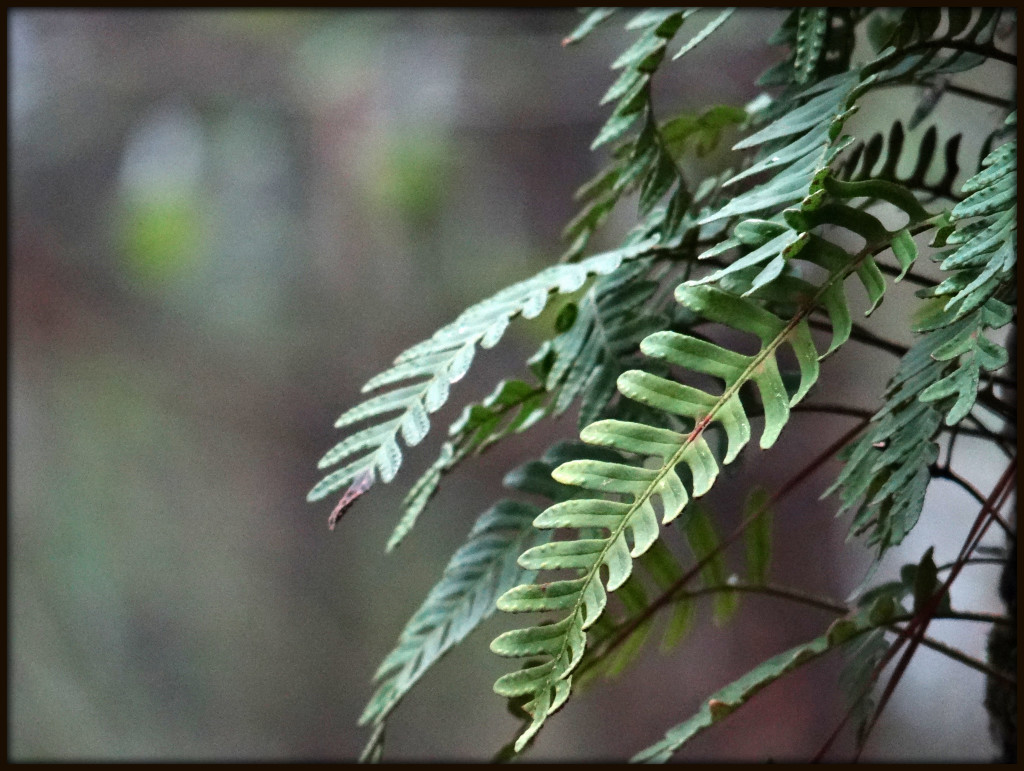
As I like to tell everyone, I am very frond of ferns.  Venturing out after a deluge (complete with flash flood watches and warnings), I was delighted to see all the resurrection ferns green and vibrant along Piney Woods Church Road.  I am amazed by how these same ferns appear brown, shriveled, and dead most of the time, yet turn a brilliant green overnight after a considerable spate of rainfall.

Ferns' Return

Apr 062014
 

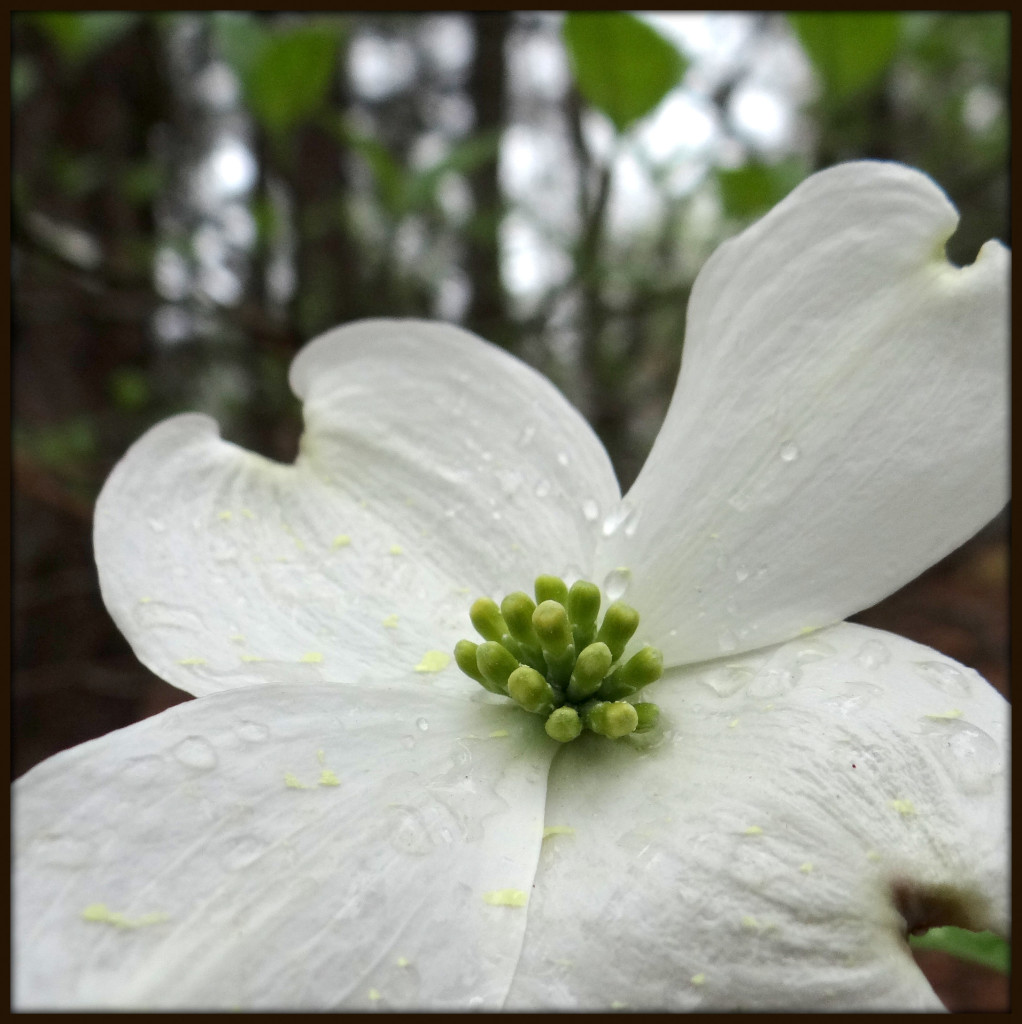
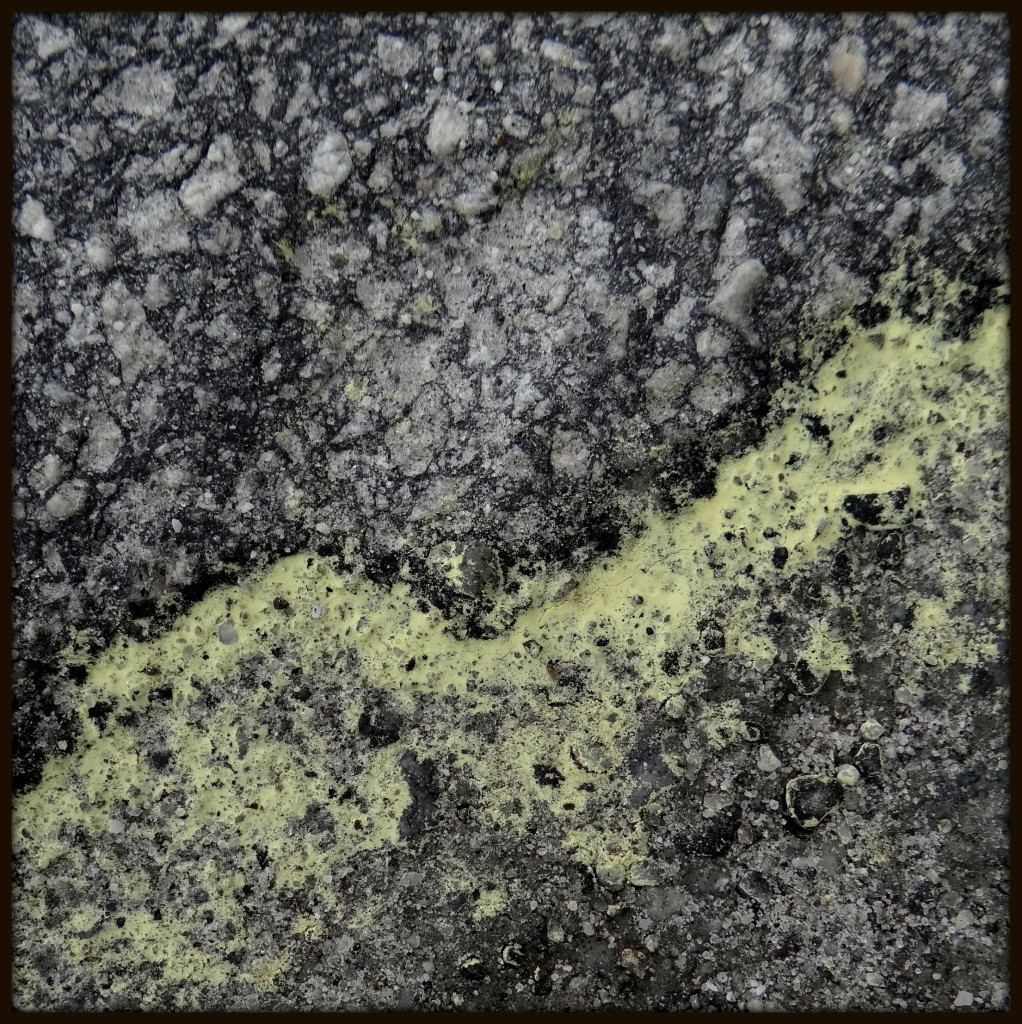
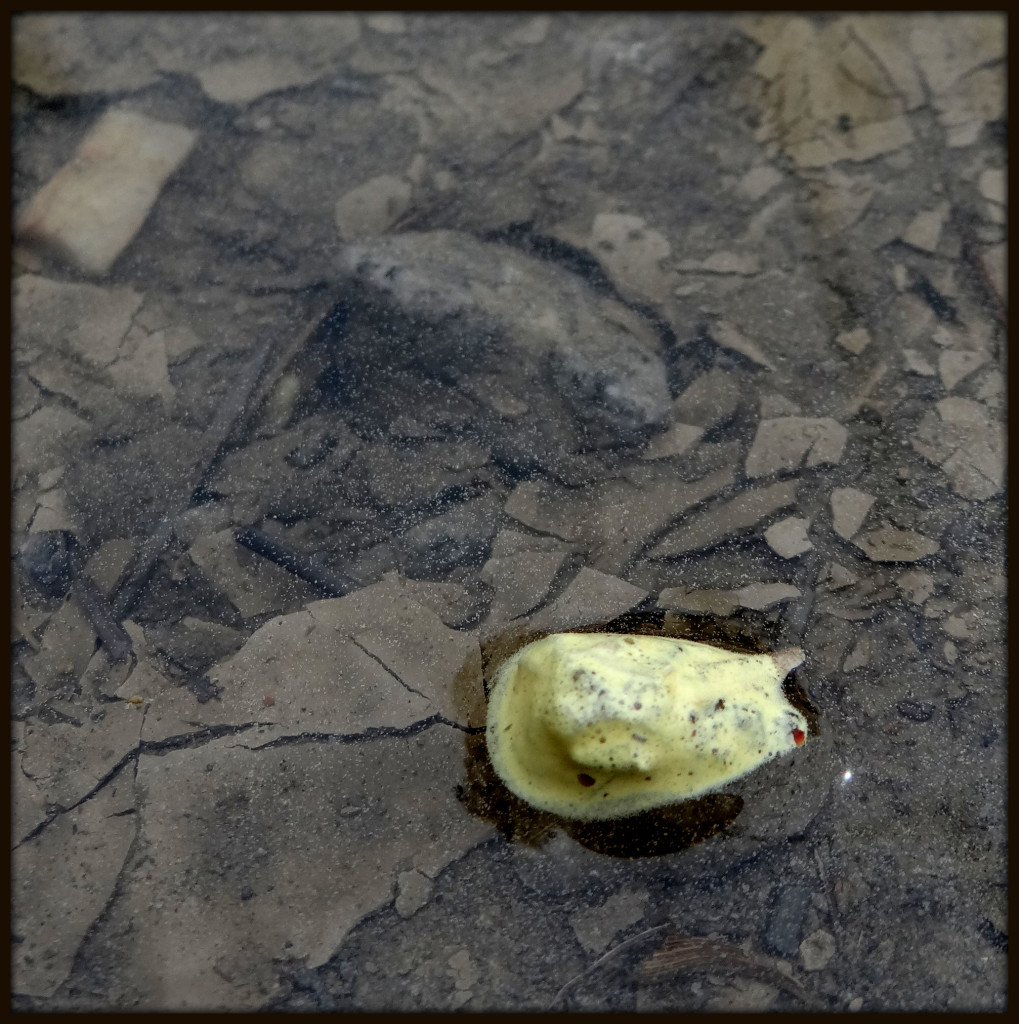
Loblolly pine pollen season has arrived here in the Georgia Piedmont.  After today’s rain, I wandered Piney Woods Church Road, encountering powdery yellow flecks everywhere I looked:  on the petals of a dogwood blossom, on a break in layers of pavement at the intersection with Hutcheson Ferry Road, and coating individual pebbles in a pothole beside Rico Road….

Pollen Season One

Pollen Season Two

Pollen Season Three


Apr 062014
 

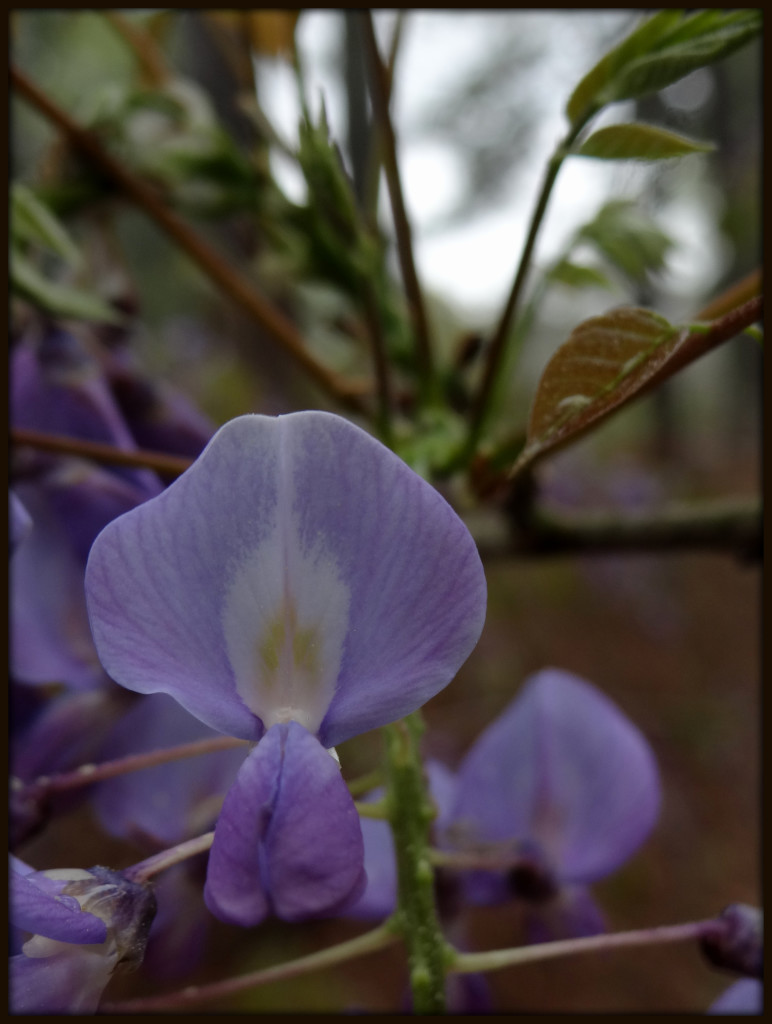
The title of today’s image is in homage to the intriguing beauty of the Chinese wisteria, just coming into bloom along Piney Woods Church Road.  For the next week or more, the forest will be draped with purple curtains of blossoms, and the air nearly intoxicating with the wisteria’s sweet scent.  In another post today (from the Examiner archives), I will speak at length of its aggressive, highly invasive habits.  But for a moment, I will pause and appreciate its gift to my daily walk.

Mysteria

Apr 052014
 

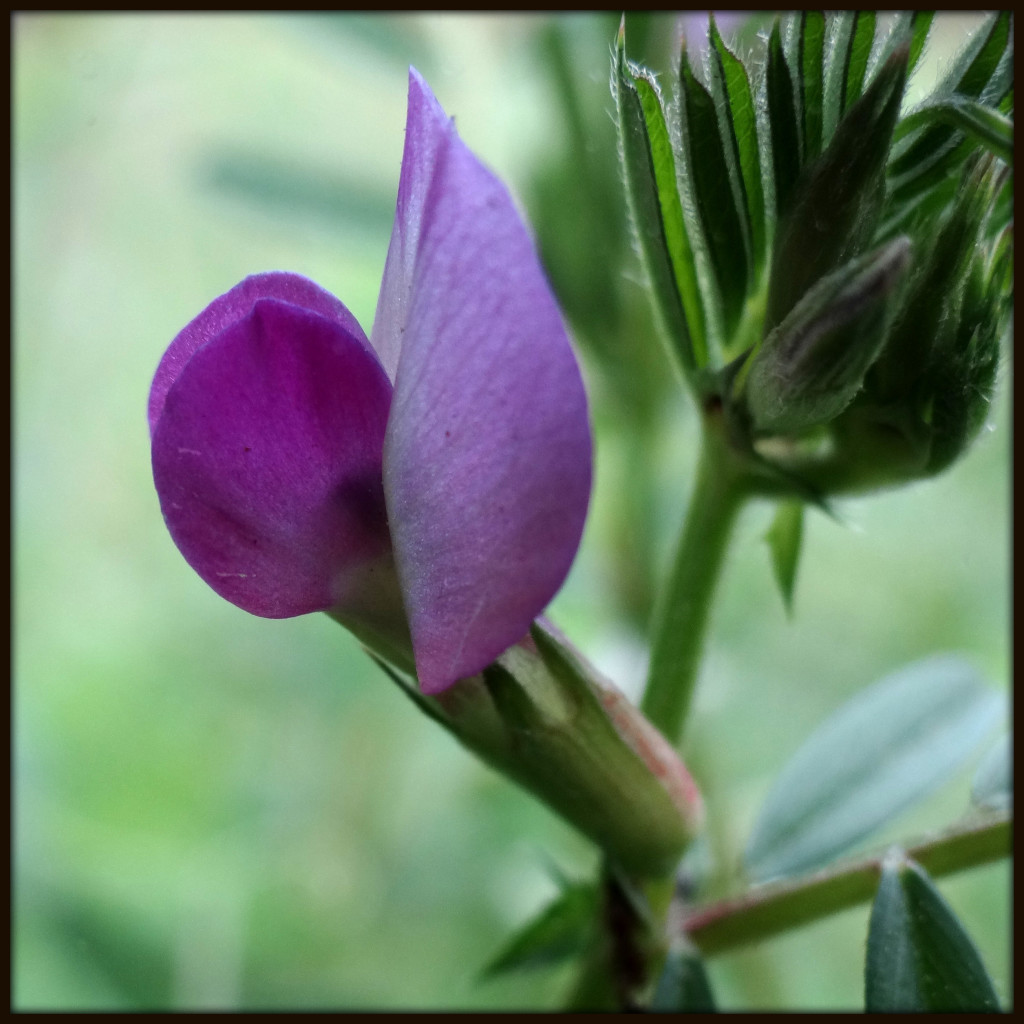
Along the edge of Piney Woods Church Road at the junction with Rico Road, I glimpsed some of the earliest blooms of everlasting pea (Lathyrus latifolius) today.  This photograph makes this small flower look almost glamorous.   An immigrant from southern Europe that commonly frequents waste places (such as roadsides), everlasting pea arrived in the New World around 1720. Despite the flower’s unassuming, pea-like appearance, Thomas Jefferson judged it worthy of a place in his Monticello garden, so it certainly merits inclusion here.

Everlasting Pea

Apr 042014
 

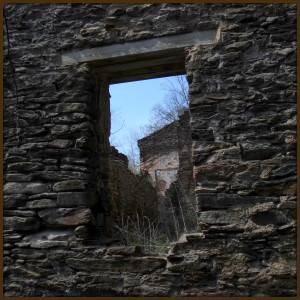
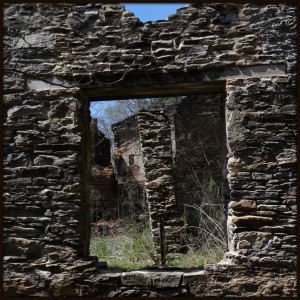
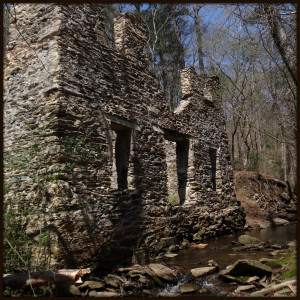
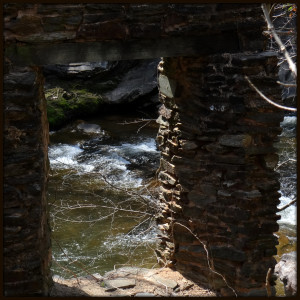
Yesterday afternoon, my wife and I hiked a few of the trails in the Sope Creek Unit of Chattahoochee National Wildlife Refuge in Marietta.  In addition to encountering numerous wildflowers (both native and otherwise) and bursting buds on many shrubs and trees, we also visited the ruins of the Marietta Paper Company’s milling operation.  Constructed in 1859, the mill produced paper for Confederate currency during the early days of the Civil War.  It was burned by federal troops in 1864, but reconstructed after the war ended.  Finally, it was abandoned in 1902.  The mill machinery is long gone to rust and vandals, but the stone walls are quite impressive, with enormous window spaces providing views of Sope Creek or deeper into the ruins themselves.

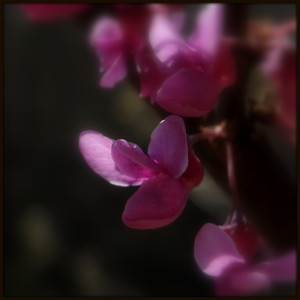
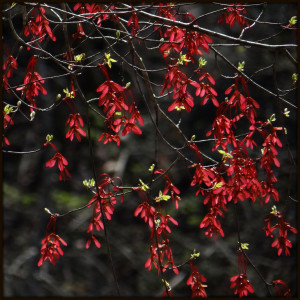
Here are a few images from my day.  First, a few images on the path to the mill ruins:  a flowering dogwood; purple violets blooming along Sope Creek; an eastern redbud in flower among the ruins; and maple keys developing on branches overhanging the water.
1-DSC09123

Violets

Redbud

Maple Seeds

Next, a few view of the paper mill ruins along the banks of Sope Creek.
Mill Ruins One

Mill Ruins Two

Mill Ruins Three

Mill Ruins Four

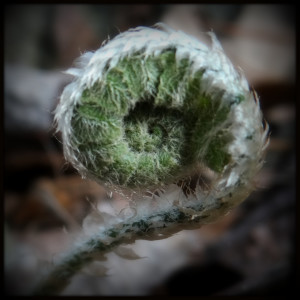
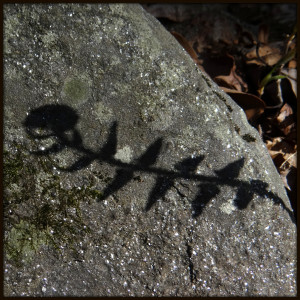
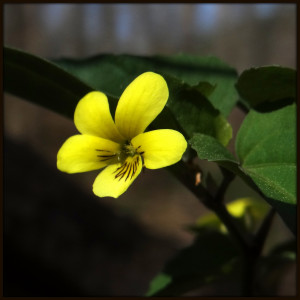
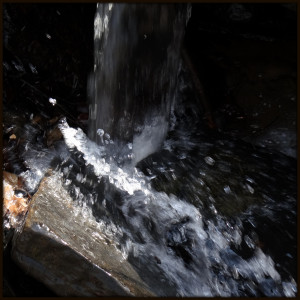
Finally, a few more signs of spring, from later in our walk. Yellow violets were blooming in a charming little ravine, where the water splashed over rocks and fiddleheads of ferns unfurled in the shade.
Yellow Violet

Waterfall

Fern Fiddlehead

Fern Shadow

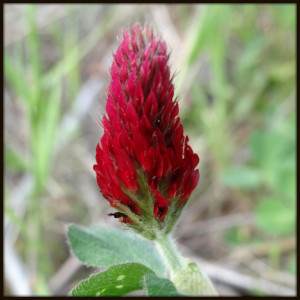
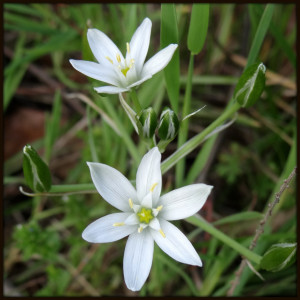
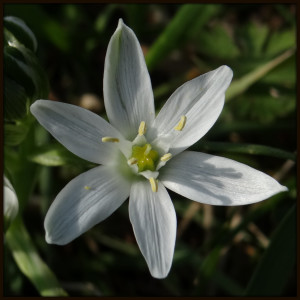
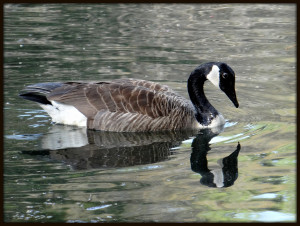
Toward the end of the walk, we passed a pond where a pair of Canada geese were swimming.  On the earthen dam, European immigrants were in bloom:  crimson clover (Trifolium incarnatum; also called carnation clover) and star-of-bethlehem (Ornithogalum umbellatum).  The latter had flower heads so perfect that they looked artificial.  Other names for this beautiful perennial include nap-at-noon, snowdrops, starflower, and dove’s dung.  All parts of the star-of-bethlehem plant contain cardiac glycosides, making them toxic to livestock.  Unfortunately, the star-of-bethlehem is also considered to be invasive in ten US states.  Crimson clover, on the other hand, is an annual  commonly planted as a cover crop for hay, affording excellent forage for cows and sheep.
1-DSC09298

1-DSC09307

1-DSC09308

1-DSC09310

Apr 042014
 

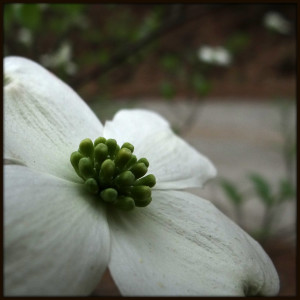
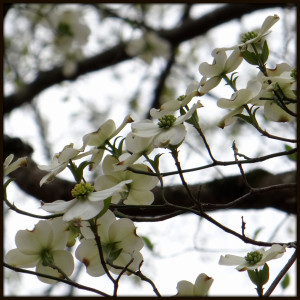
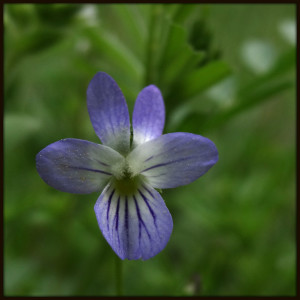
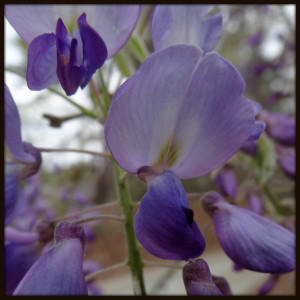
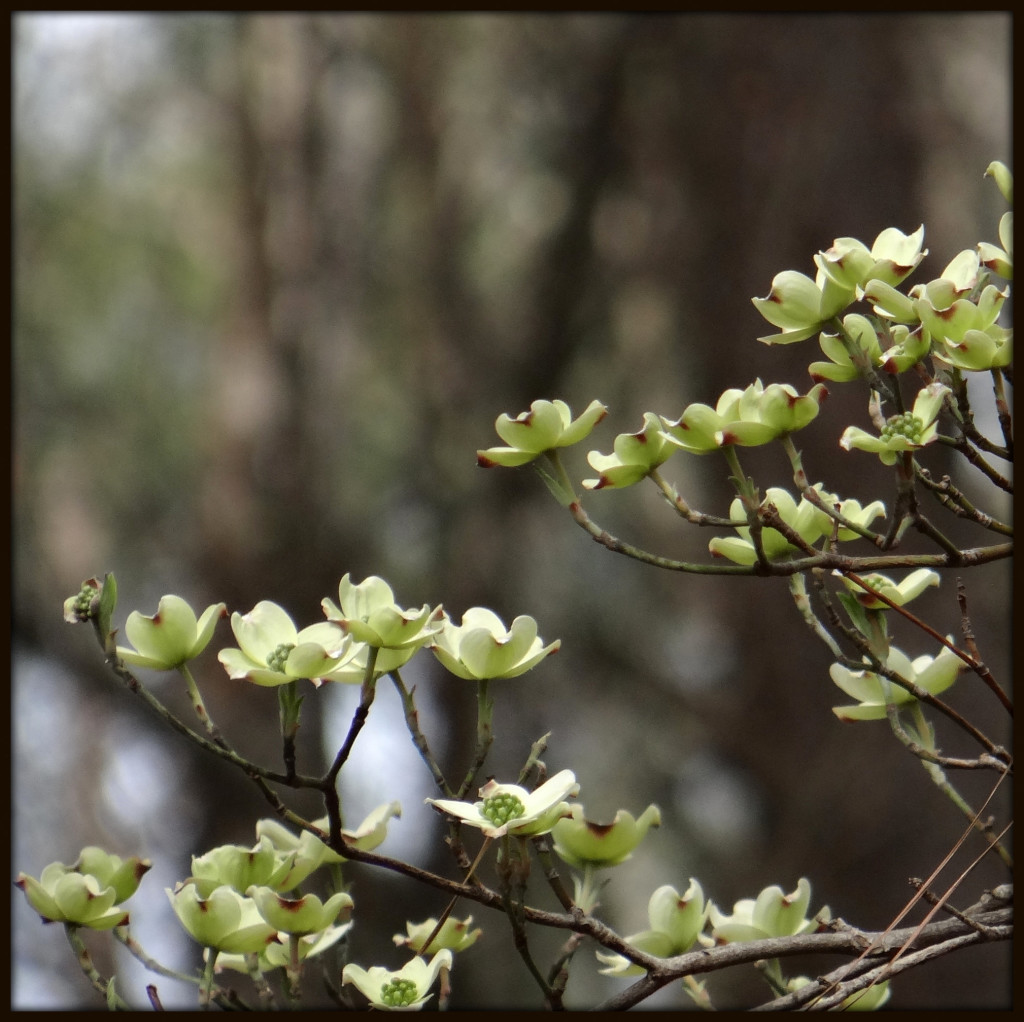
Everywhere I glance down Piney Woods Church Road (or, at least, everywhere that is fairly wild and was not recently mowed), I see flower buds and blossoms.  Here are four images from my walk today:  flowering dogwood (Cornus florida), a lovely pale purple violet, and the much loved and hated Chinese wisteria (Wisteria sinensis).  The wisteria is just coming into bloom; soon, much of the roadway will be lined with curtains of pale purple flowers, exuding a heady, almost sickly-sweet scent.  There will be more about Chinese wisteria in future posts.

Flowering Dogwood One

Flowering Dogwood Two

New Violet

Chinese Wisteria

Apr 012014
 

As I approach Day 100, I continue to marvel at the new discoveries I make every day along Piney Woods Church Road.  Now that spring is underway, I have difficulty keeping up with all the new flowers in bloom and trees and shrubs in leaf.  So much is happening that one visit per day hardly seems sufficient.

Mar 312014
 

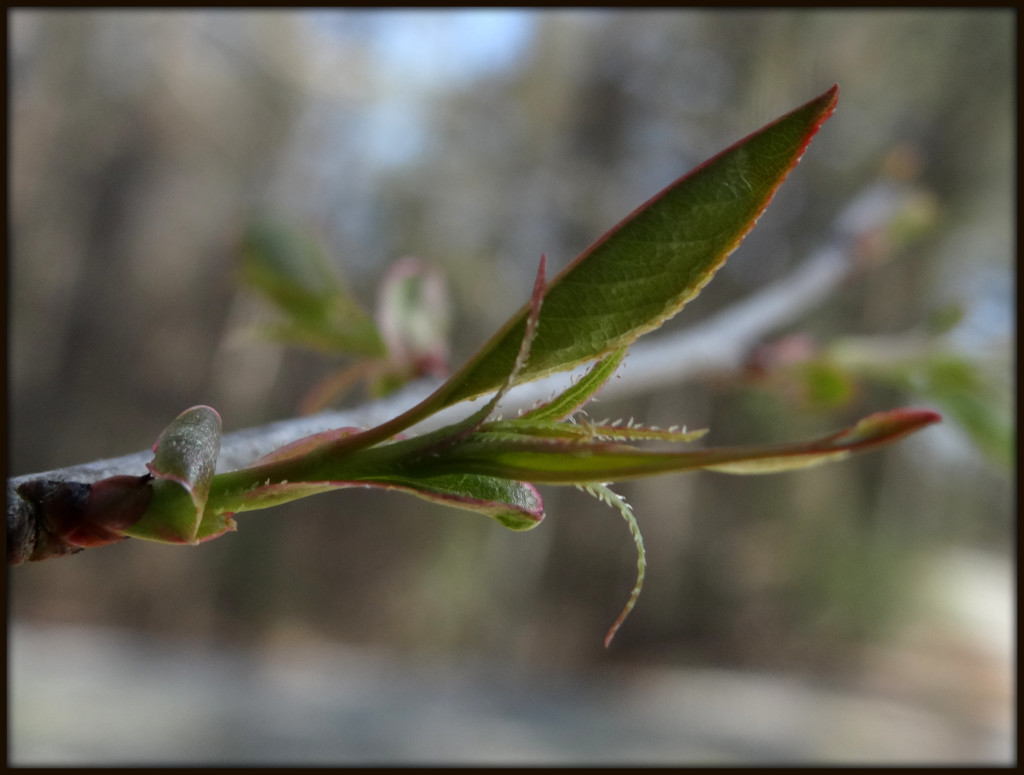
I wasn’t certain what to call today’s photograph, which shows the leaves unfurling on another shrub along Piney Woods Church Road.  I have not been able to identify the plant yet, embarrassingly common though it is along the roadside.  I have a longer list of what it is not, but that doesn’t help much with figuring out a label.  I took this photograph on a lovely spring afternoon, and I think it captures well the grace and vibrancy of this time of year, when the land, dormant for this past long winter, is bursting with new life.

Lovely Spring Afternoon

Mar 282014
 

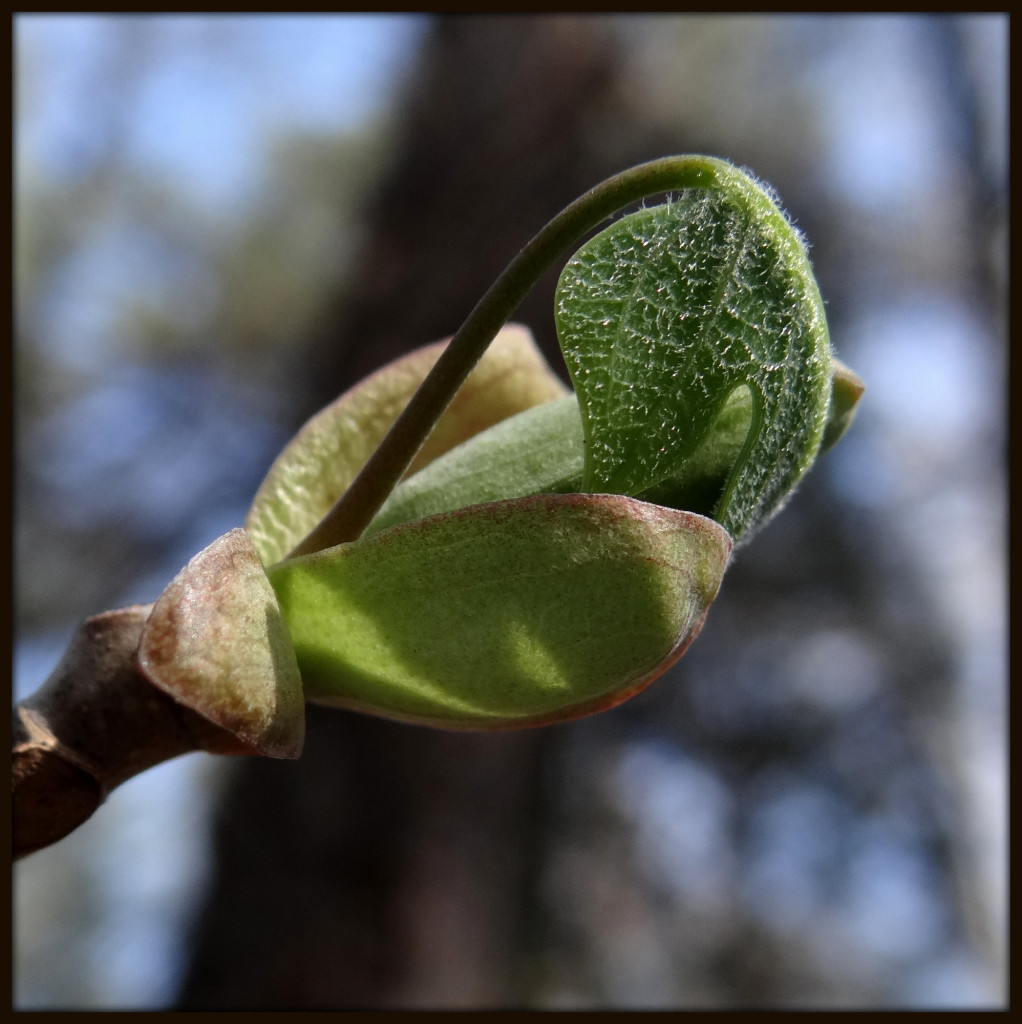
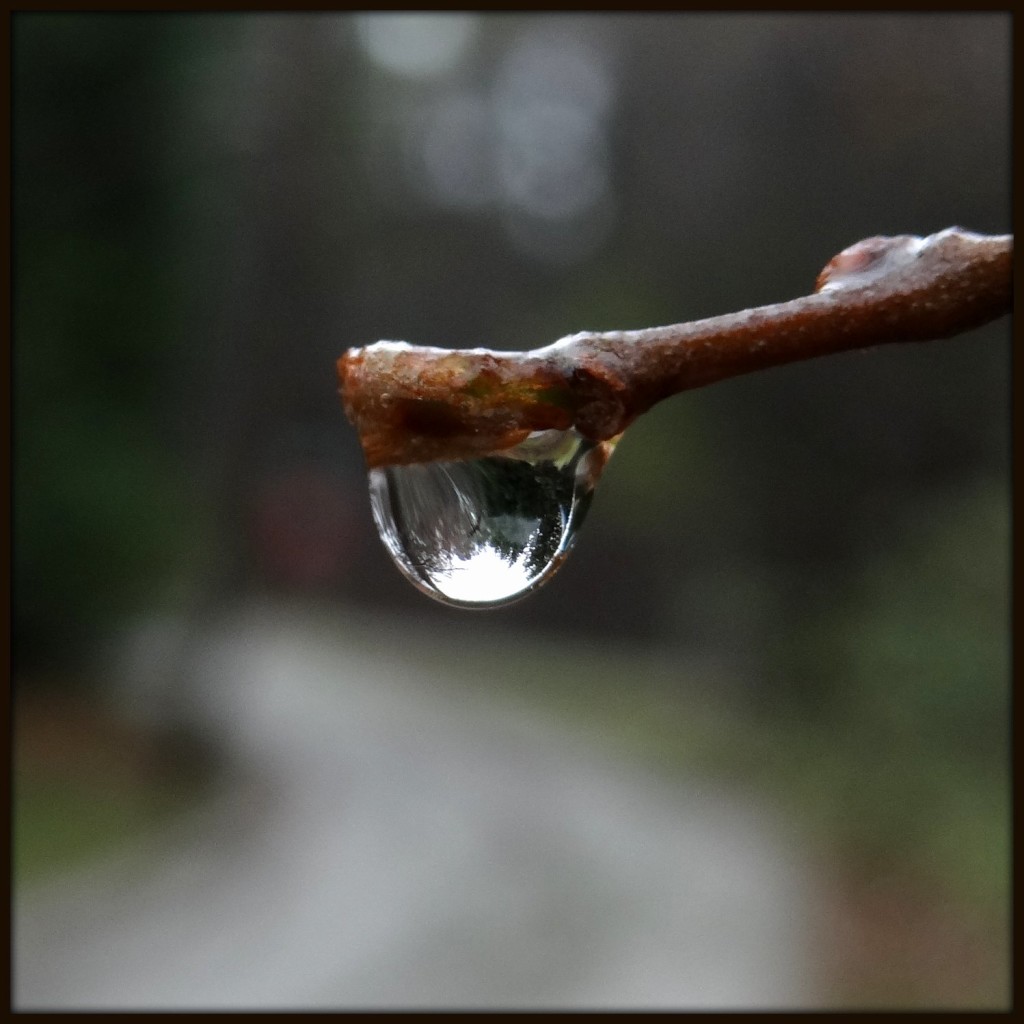
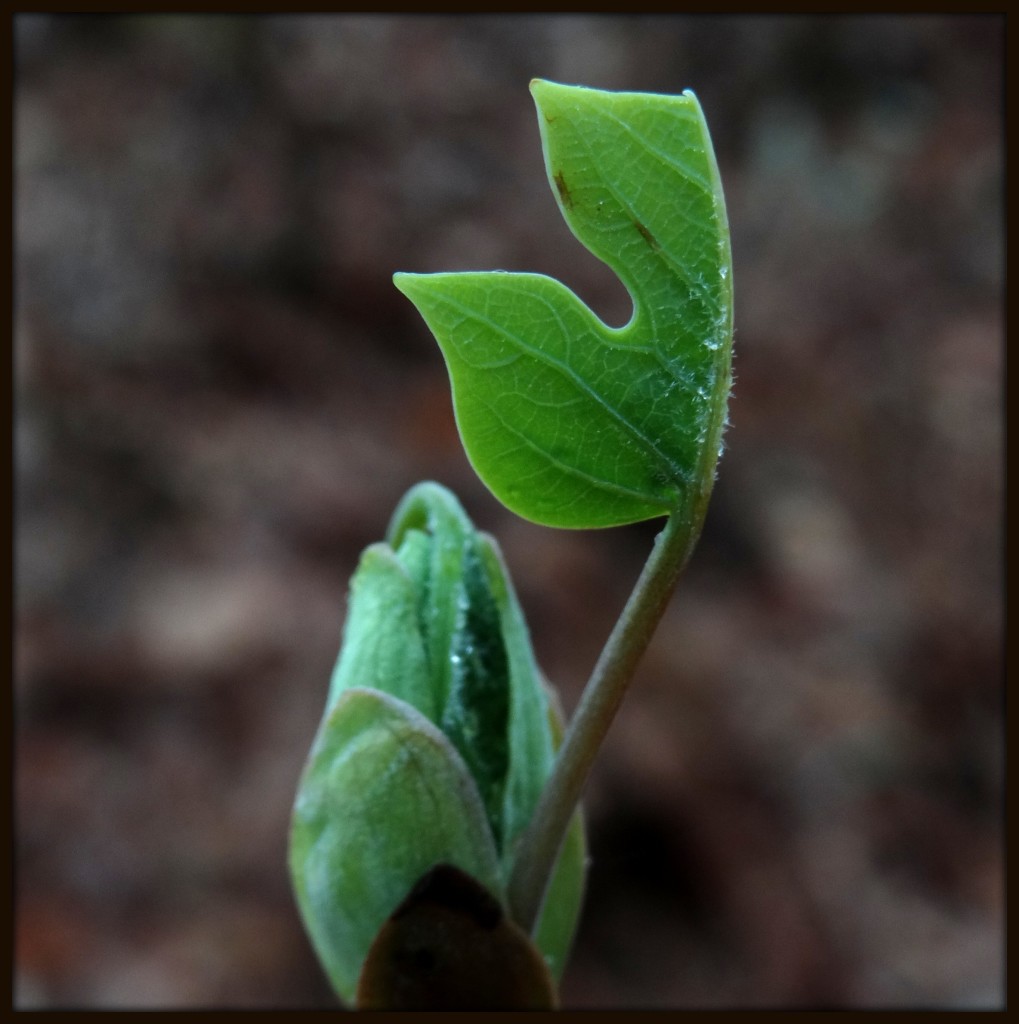
Here are two more photographs from a rainy day walk along Piney Woods Church Road.  The first is another water droplet beside the road; the second is yet another image of tulip poplar leaves opening.  I can imagine an entire gallery space filled solely with images of tulip poplar buds and leaves in early springtime….

1-DSC08595

Another Tulip Poplar