Jun 272014
 

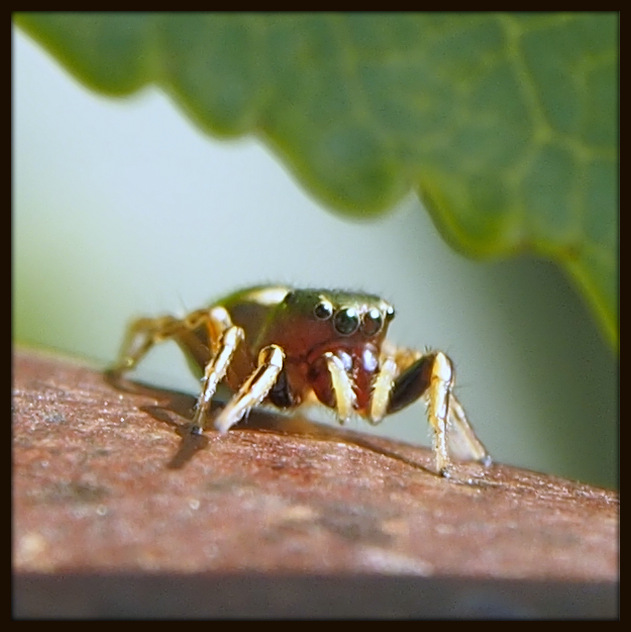
I took this photograph of a tiny jumping spider (family Salticidae), maybe a quarter of an inch across (if that), looking at me from atop a rail of a rusty fence gate.  A complete portrait eluded me — my subject was rather skittish.  I didn’t even bother glancing at my photo the first time through today’s shots, because even with my lens in macro mode, the spider was minute in my image.  I was amazed to find that it came out quite well, even after cropping practically the entire photograph away, just to get this close-up.  I love this spider’s eyes.


Jumping Spider


Jun 272014
 

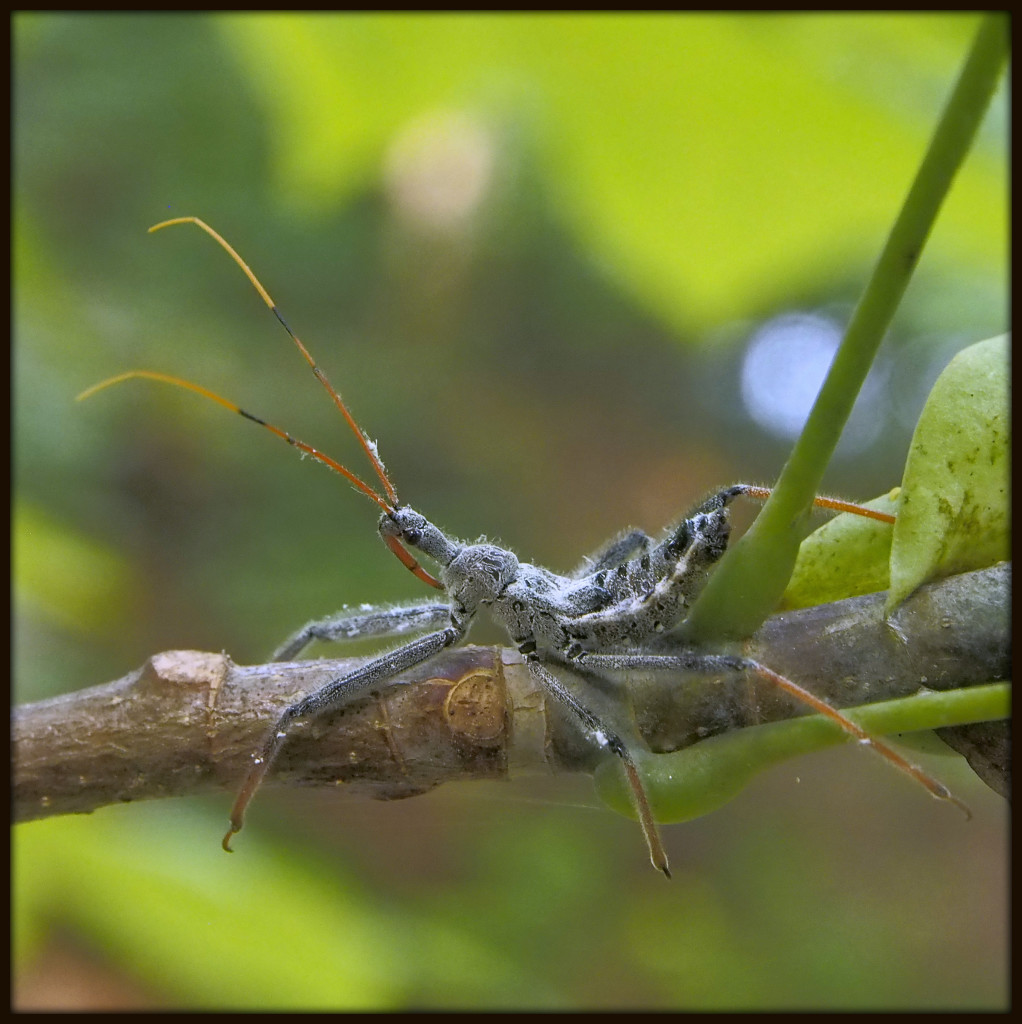
On my way down Piney Woods Church Road this morning, I chanced upon this assassin bug perched on a tulip poplar leaf.  We saw each other at about the same time.  Every time I moved my camera close for a shot, the bug would slowly back up, then hide himself (herself?) on the other side of an available leaf or stem. The process was so slow that I was reminded of Japanese kabuki theater.  I took many, many photos before I secured this crisp portrait.  I have to confess that this insect looks almost cuddly, with its furry quality and dangling proboscis.  The proboscis functions like a drinking straw; the bug attacks other insects, injecting toxin that dissolves their body cells, which the bug then drinks up.  Sometimes appearances can be deceptive, though I still wouldn’t mind having one of these as a Gund.

With help from BugGuide folks on Facebook, I was later able to determine that this bug was most likely the nymph form of the Wheel Bug (Arilus cristatus).


Assassin Bug Portrait

Jun 262014
 

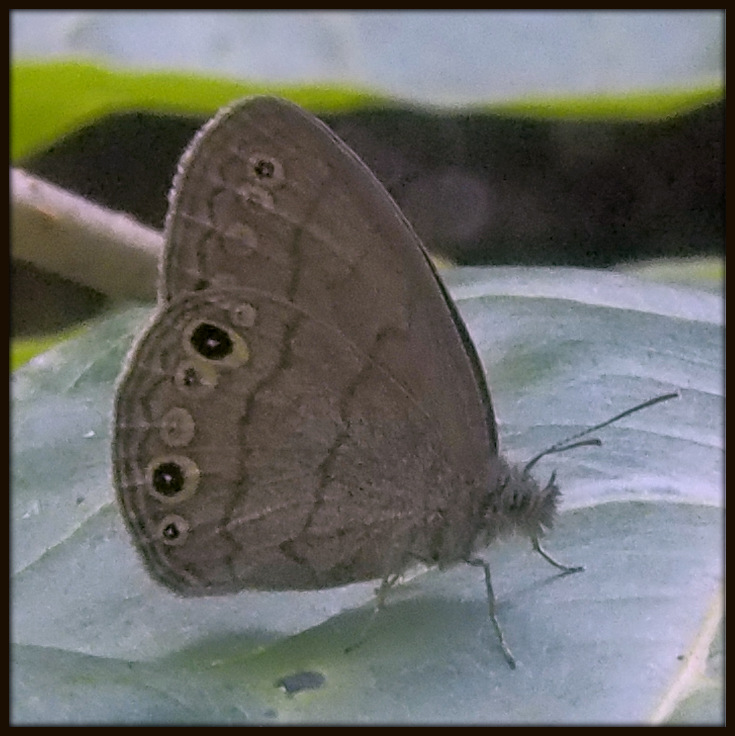
On my Piney Woods Church Road walk this afternoon, I glimpsed a small and rather evasive gray-brown butterfly, pausing to rest for a moment on one leaf, then darting off to another one if I tried to get too close.  Still, with some patience, I finally managed to take this photograph.  The butterfly is a Carolina Satyr (Hermeuptychia sosybius), one of the most common of the satyr butterflies in the Southeast.  The Carolina Satyr frequent shaded woodland areas but also ventures out onto suburban lawns.


OLYMPUS DIGITAL CAMERA

Jun 252014
 

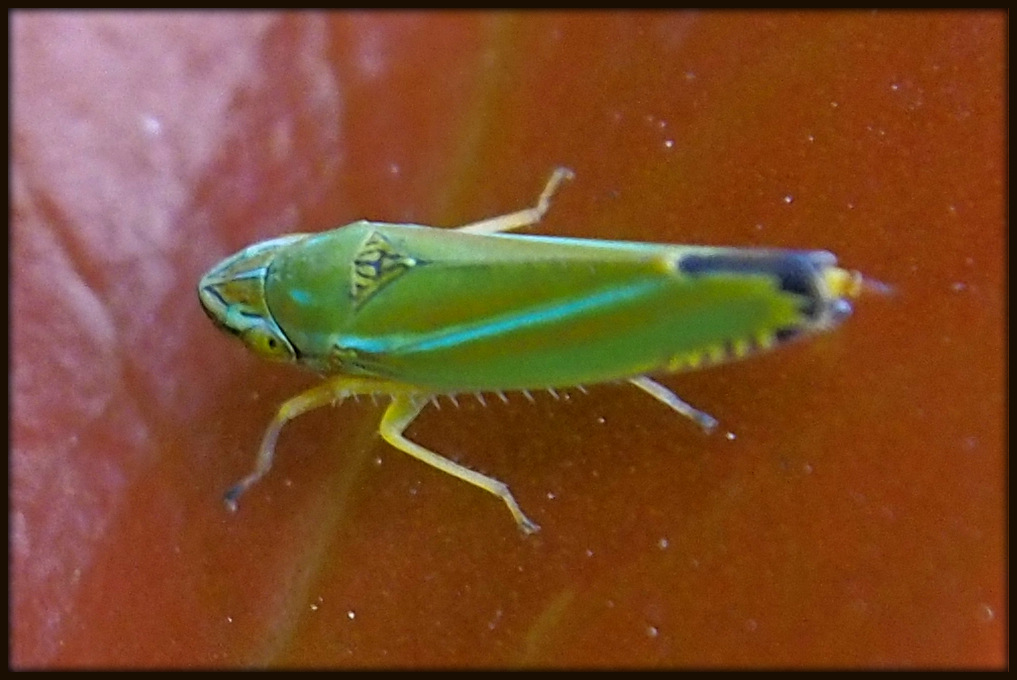
The flowers are past bloom on the Cleyera, and the shrubs have gone back to their default state of being almost completely devoid of insects of any kind.  Late this afternoon, I encountered an exception:  a Blue-Striped Leafhopper (Graphocephala versuta) resting on a red Cleyera leaf.  The bug was about a quarter inch in length, and it took a lot of patience to get him (or her) into focus.  Here is my portrait of this fascinating creature (who seems to be glancing quizzically at the photographer).


Blue-Striped Leafhopper

Jun 242014
 

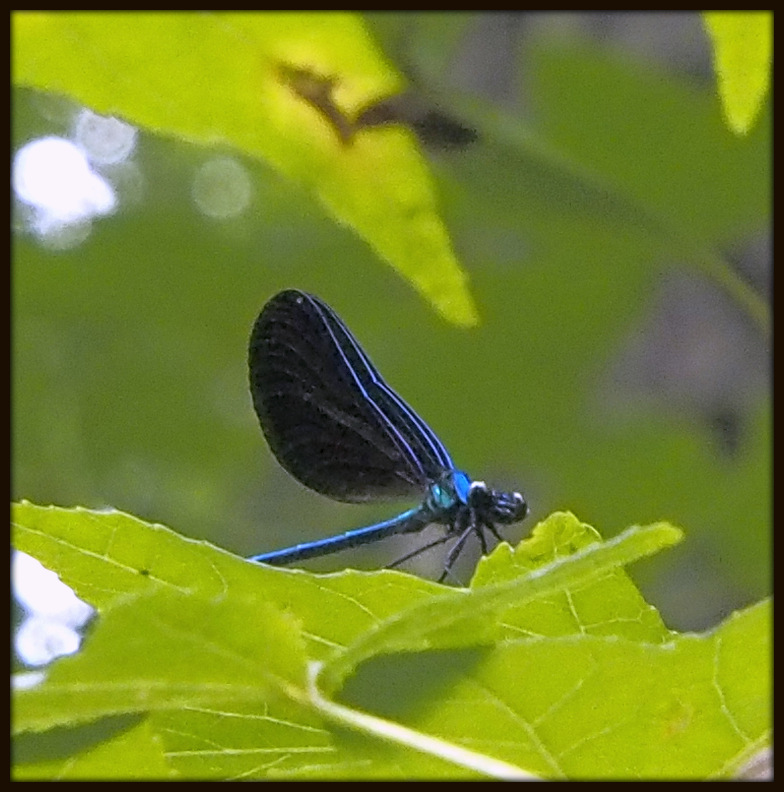
Along Piney Woods Church Road this afternoon I glimpsed a furtive ebony jewelwing (Calopteryx maculata), a broad-winged damselfly typically encountered along woodland streams.  After all the rain of late (and more predicted for this evening), this damselfly appears to have taken to wandering.  He (or she) would shift perches if I came to close, so this photograph was taken with my zoom lens instead of in macro mode.


Ebony Jewelwing

Jun 232014
 

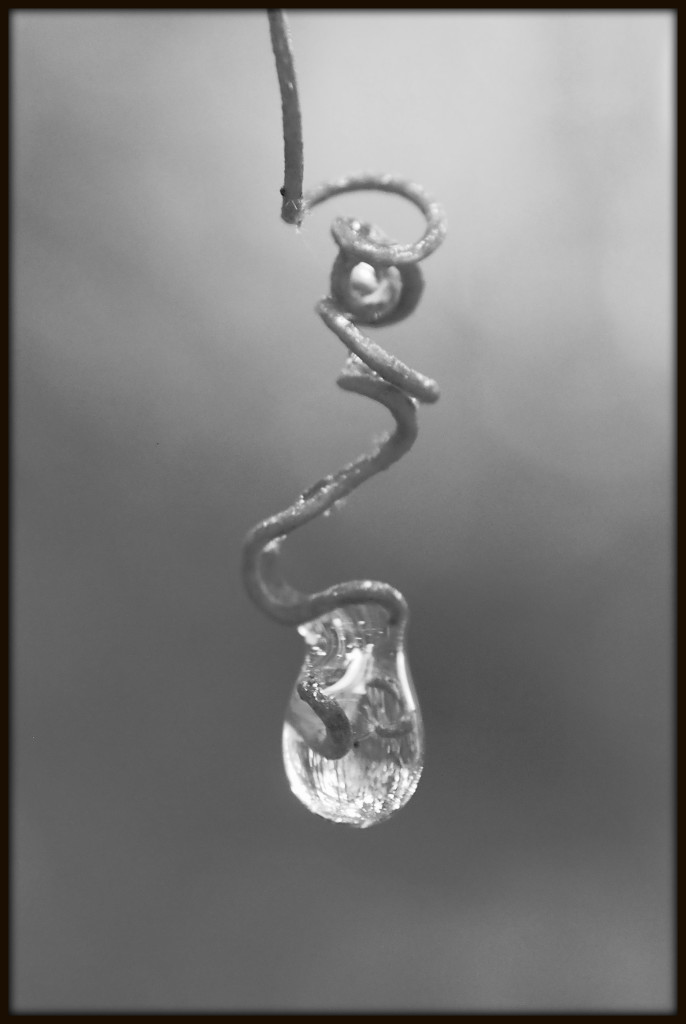
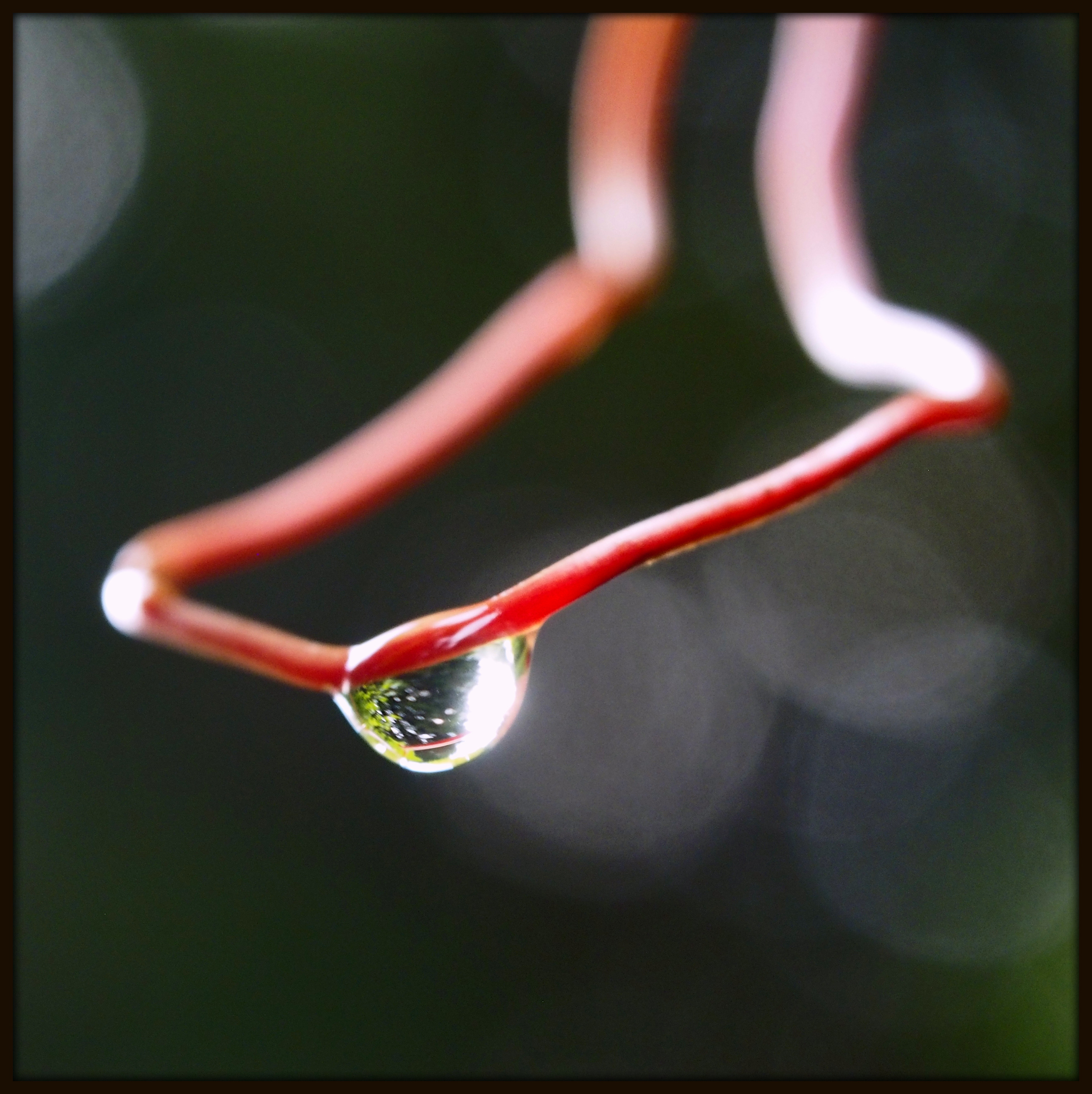
I set out along Piney Woods Church Road this afternoon after a downpour.  The sky was still partly cloudy, roadside plants still decorated with water droplets.  Inevitably, I was drawn to possible water images everywhere.  This particular photo captures the brilliant red of a muscadine grapevine, a single droplet suspended from its tendril, a watery mirror in which it is reflected.


Red All about It

Jun 222014
 

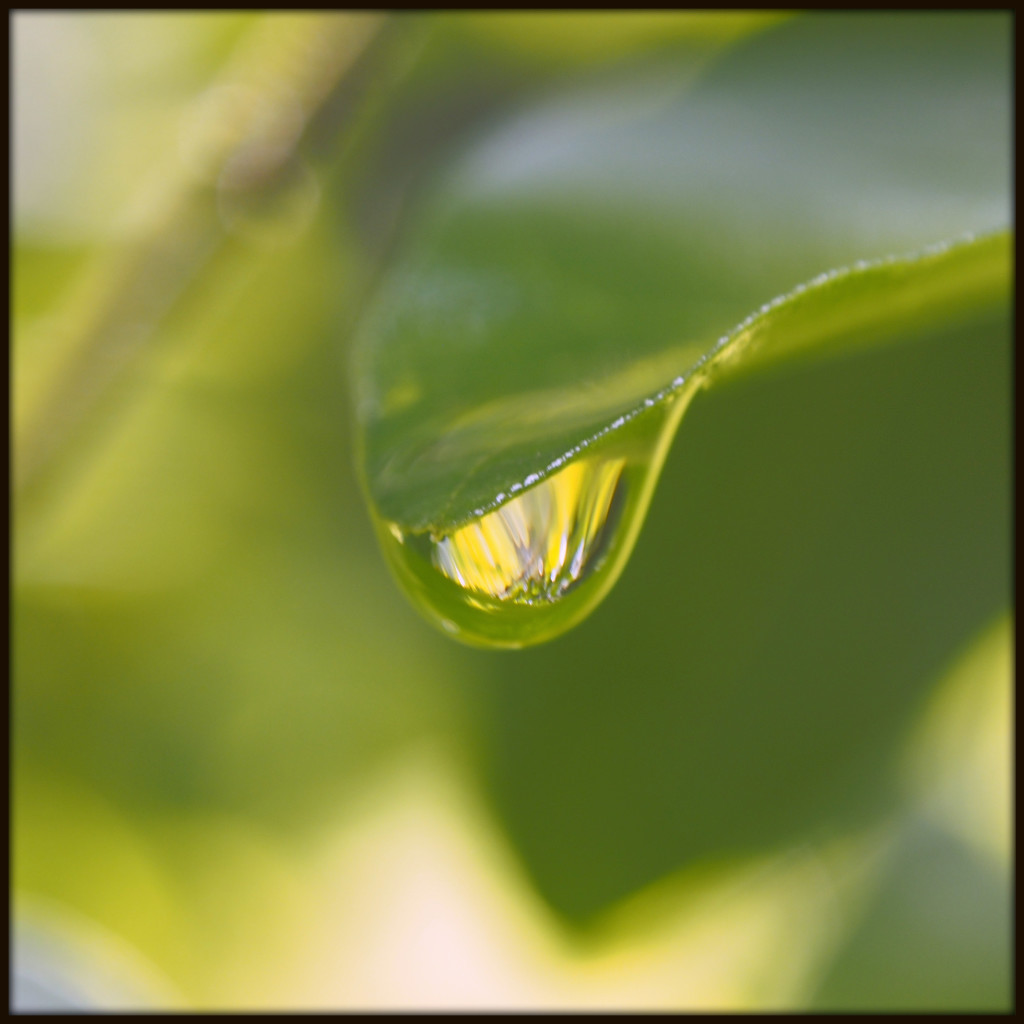
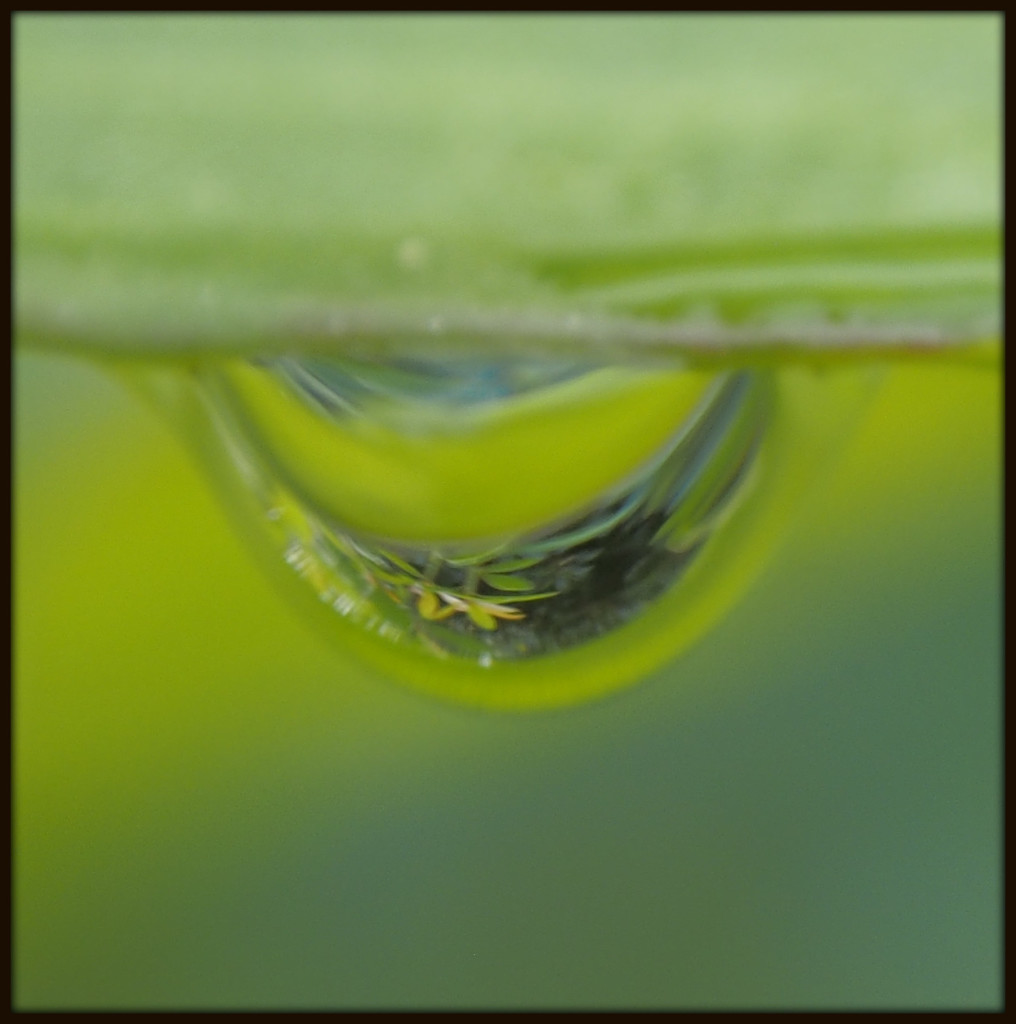
Yesterday morning, I took dozens of photographs of insects in motion on a blooming Cleyera along Piney Woods Church Road.  This morning, I photographed no insects whatsoever, and took relatively few pictures, for that matter.  But among them was this gem:  a drop of water clinging to the underside of a Cleyera leaf, reflecting many other leaves.  I love gazing into water droplets; they are vessels of stillness and peace, points of tranquility in our daily lives.  They are one of the morning’s greatest gifts.


Morning Dew

Jun 212014
 

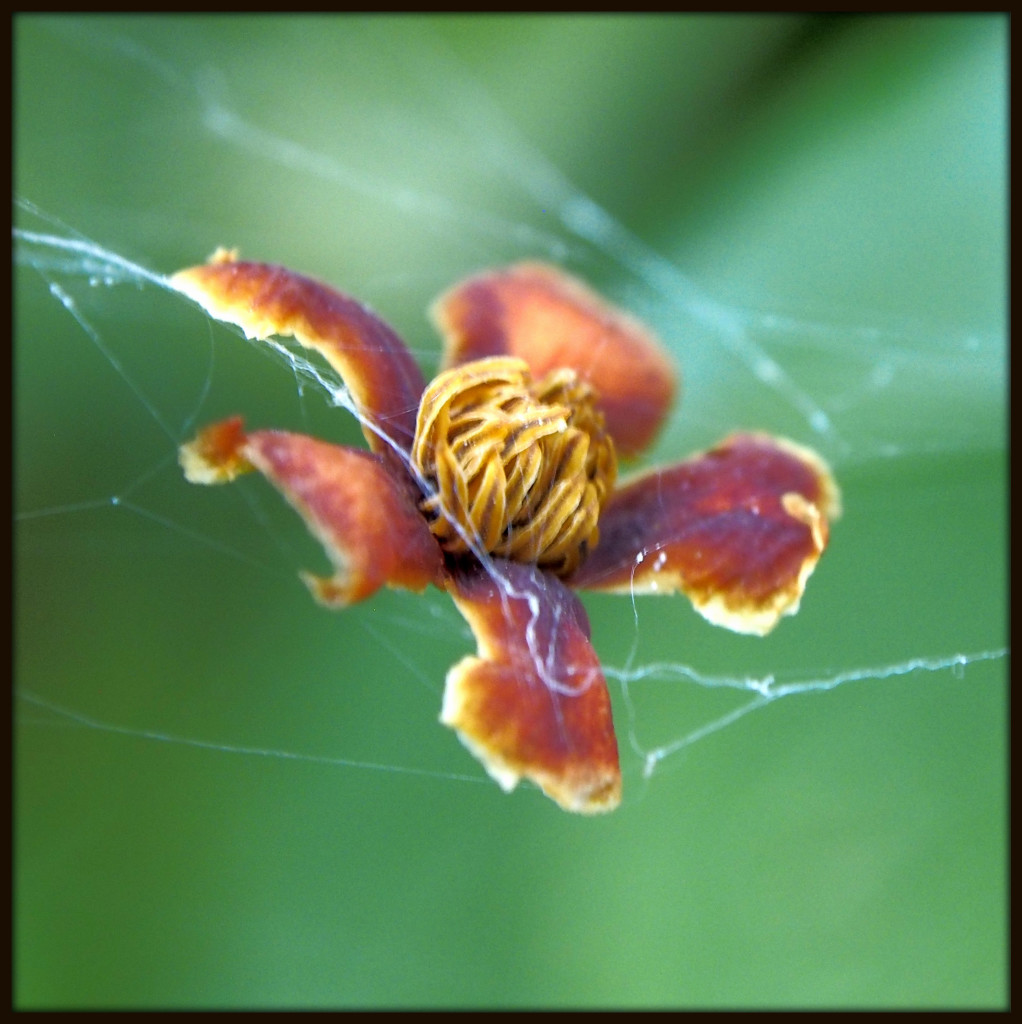
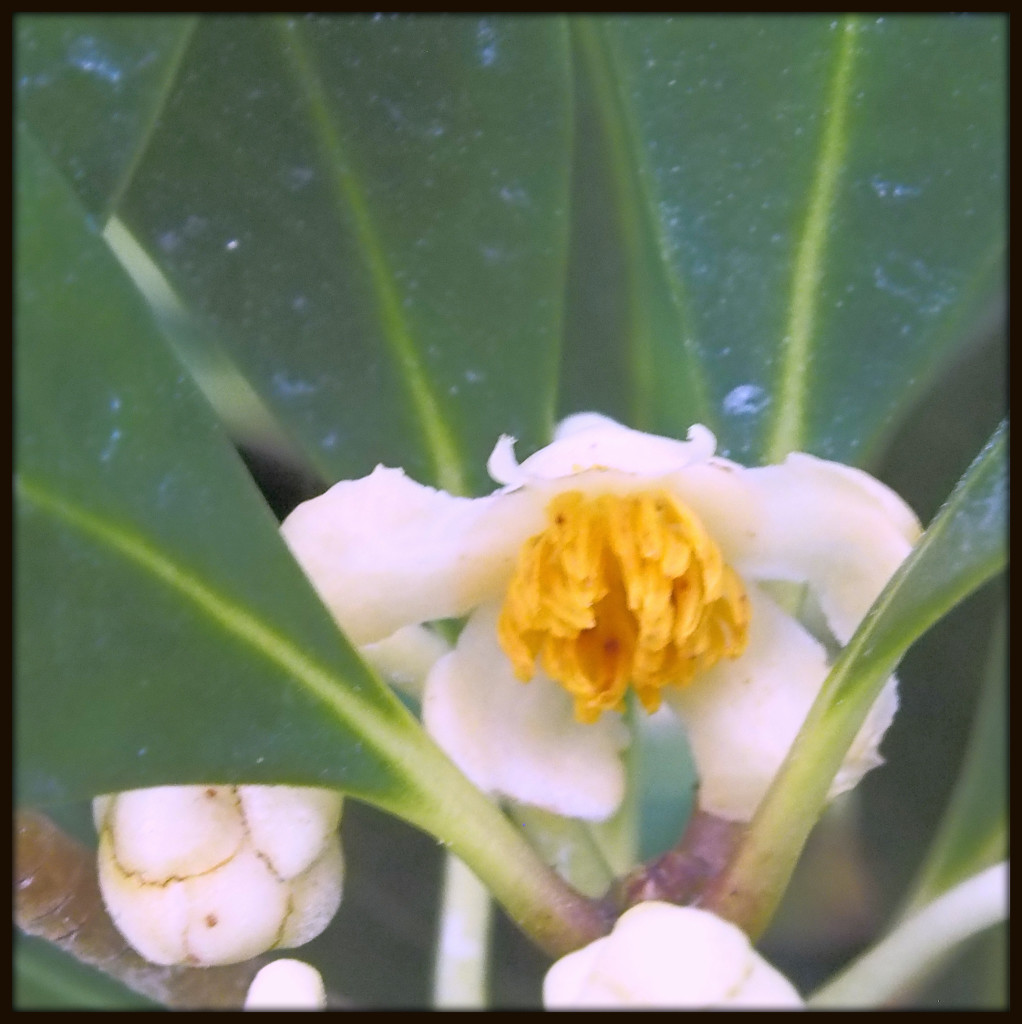
Summer is here at last, and it is party time at the Cleyera on Piney Woods Church Road!  Come on out and see what all the buzz is about!  The decor is sheik yet seasonal, consisting of Cleyera flowers in bloom,
 

OLYMPUS DIGITAL CAMERA


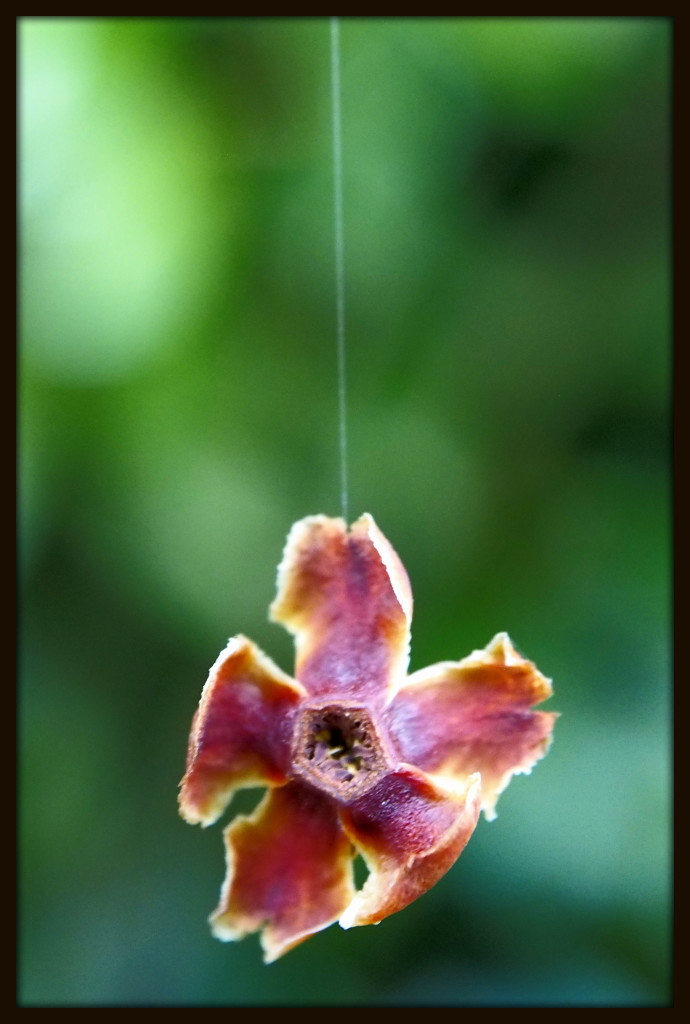
accompanied by spent blossoms, tastefully arranged amid gossamer spider threads.
 

OLYMPUS DIGITAL CAMERA OLYMPUS DIGITAL CAMERA


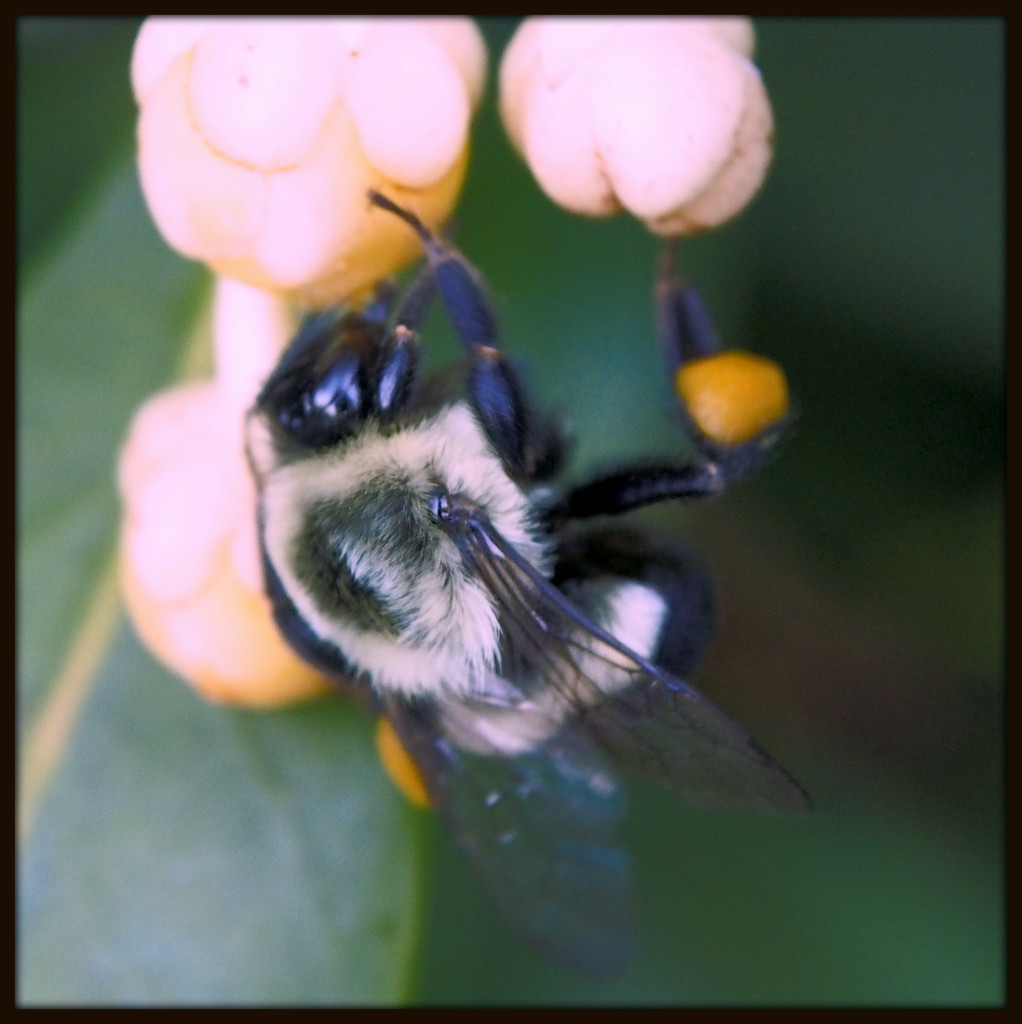
The blossoms are a popular hangout for guests.  Abundant honeybees are busy pollinating many of the flower heads,
 

OLYMPUS DIGITAL CAMERA


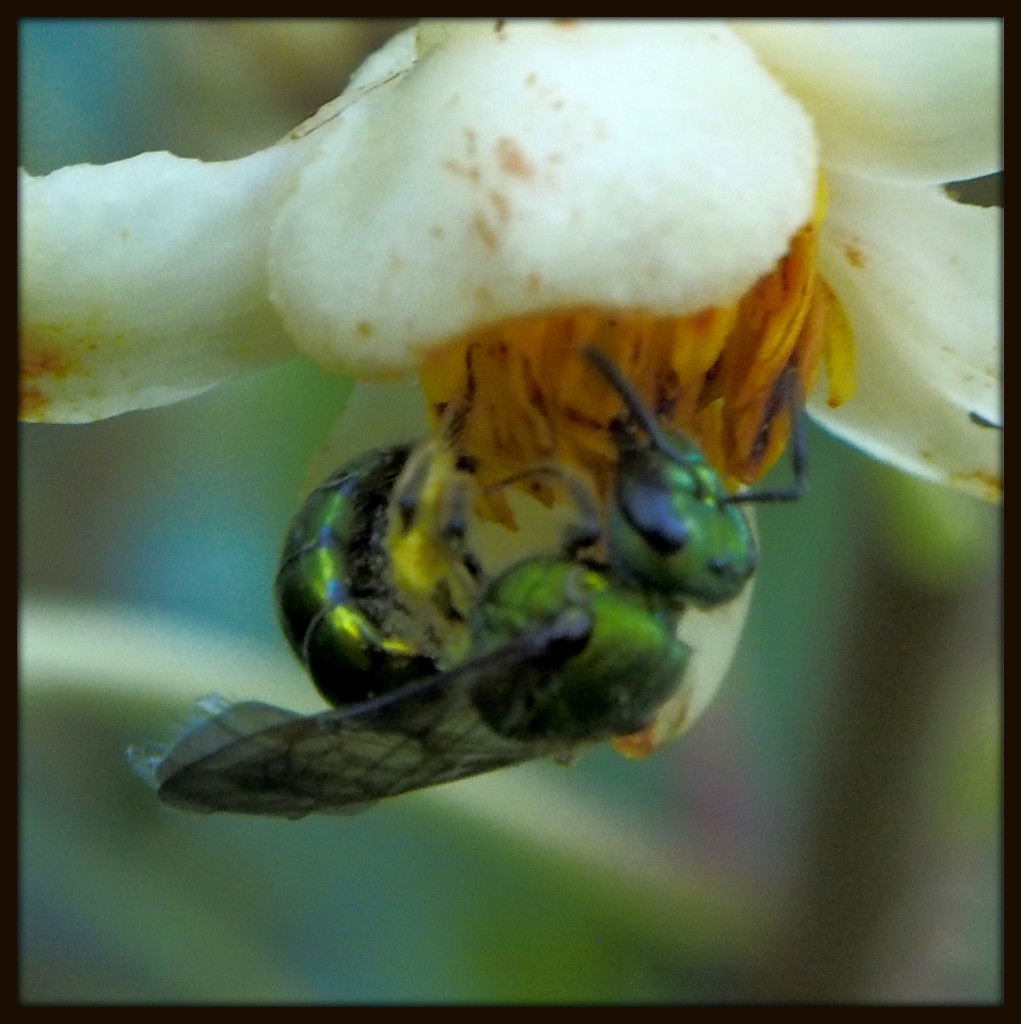
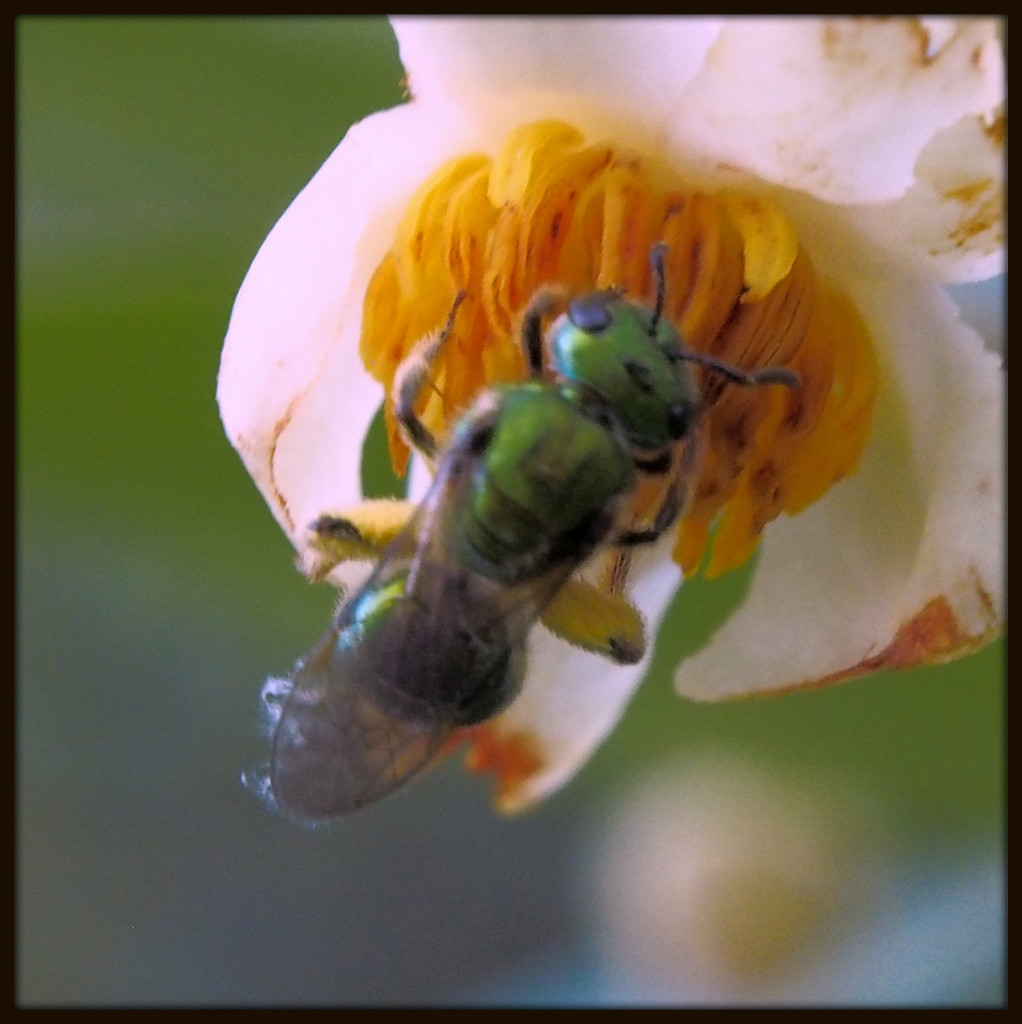
along with bees from the well-respected Family Halictidae, flashing thier gold at passers-by.
 

OLYMPUS DIGITAL CAMERA OLYMPUS DIGITAL CAMERA


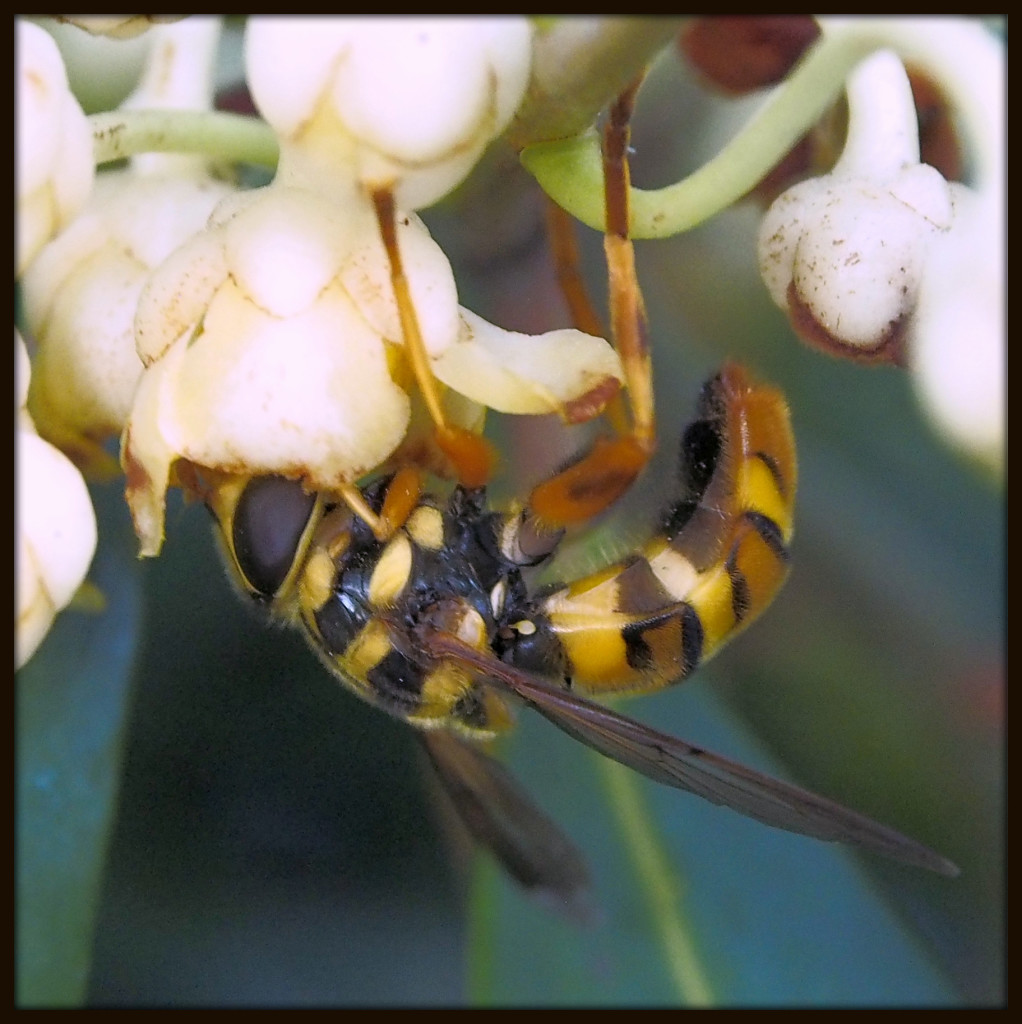
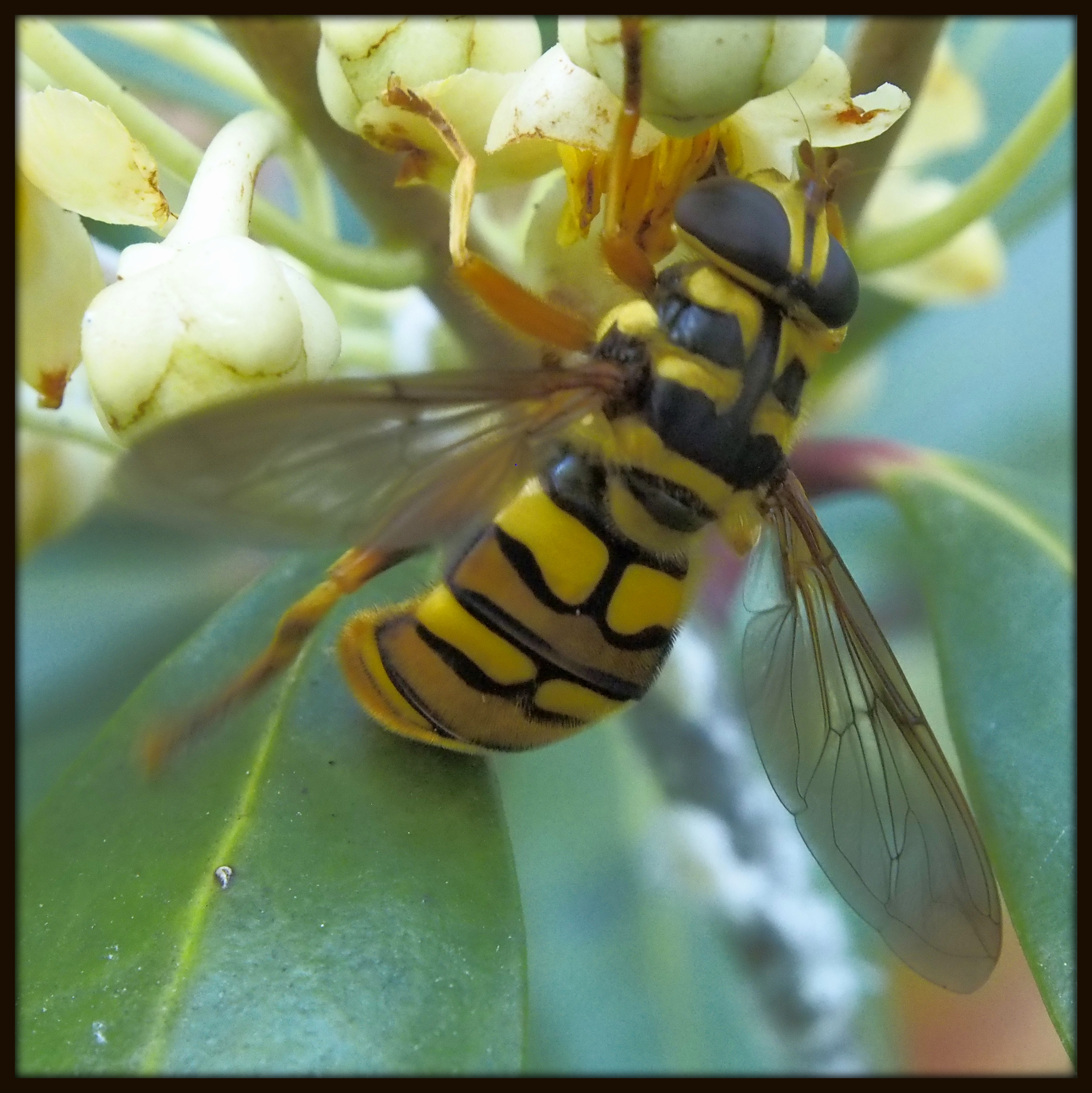
Among the more intimidating-looking of the party guests is undoubtedly this Virginia Flowerfly, Milesia virginiensis, which looks a lot like a yellowjacket but does not sting.
 

OLYMPUS DIGITAL CAMERAOLYMPUS DIGITAL CAMERA


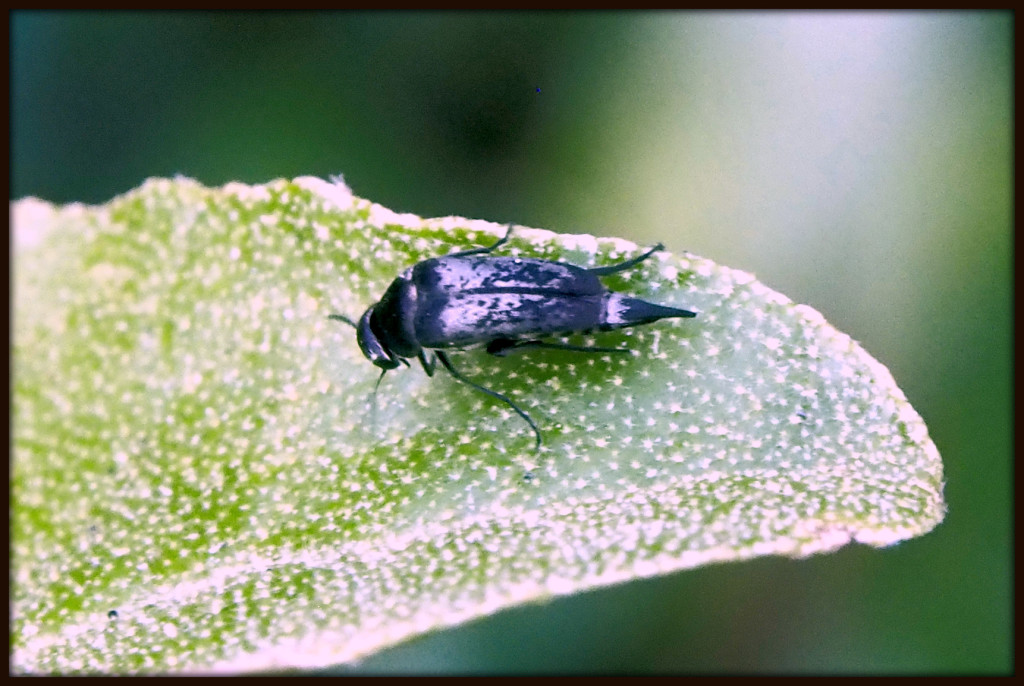
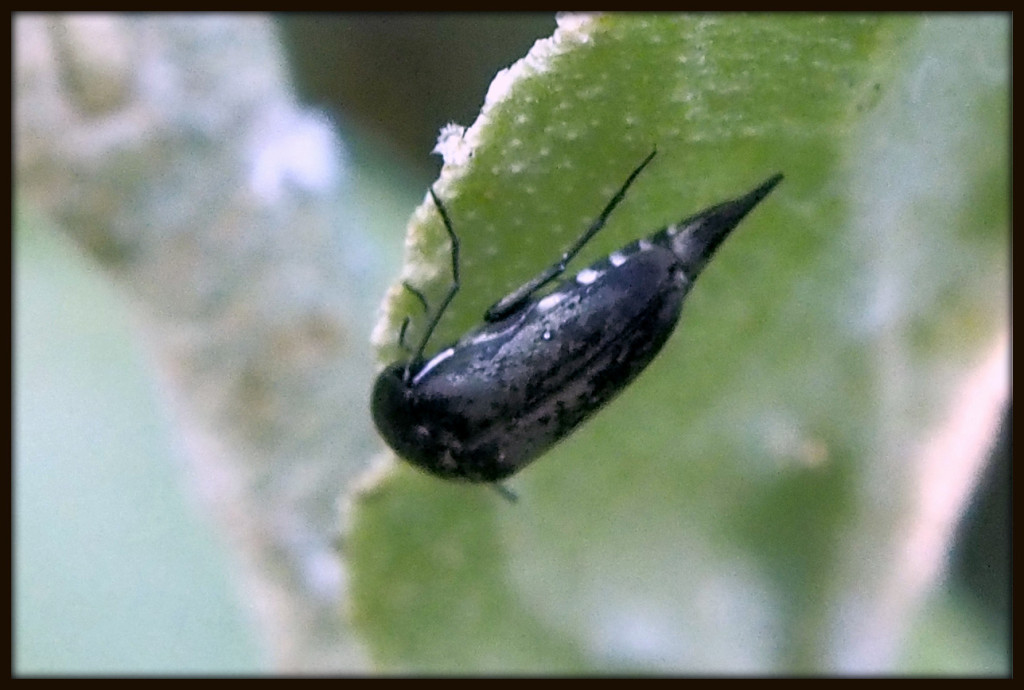
On the other end of the spectrum, the Cleyera also caters to much tinier folk, such as this quarter-inch tumbling flower beetle from the Family Mordellidae, possibly Mordella marginata.
 

OLYMPUS DIGITAL CAMERA OLYMPUS DIGITAL CAMERA


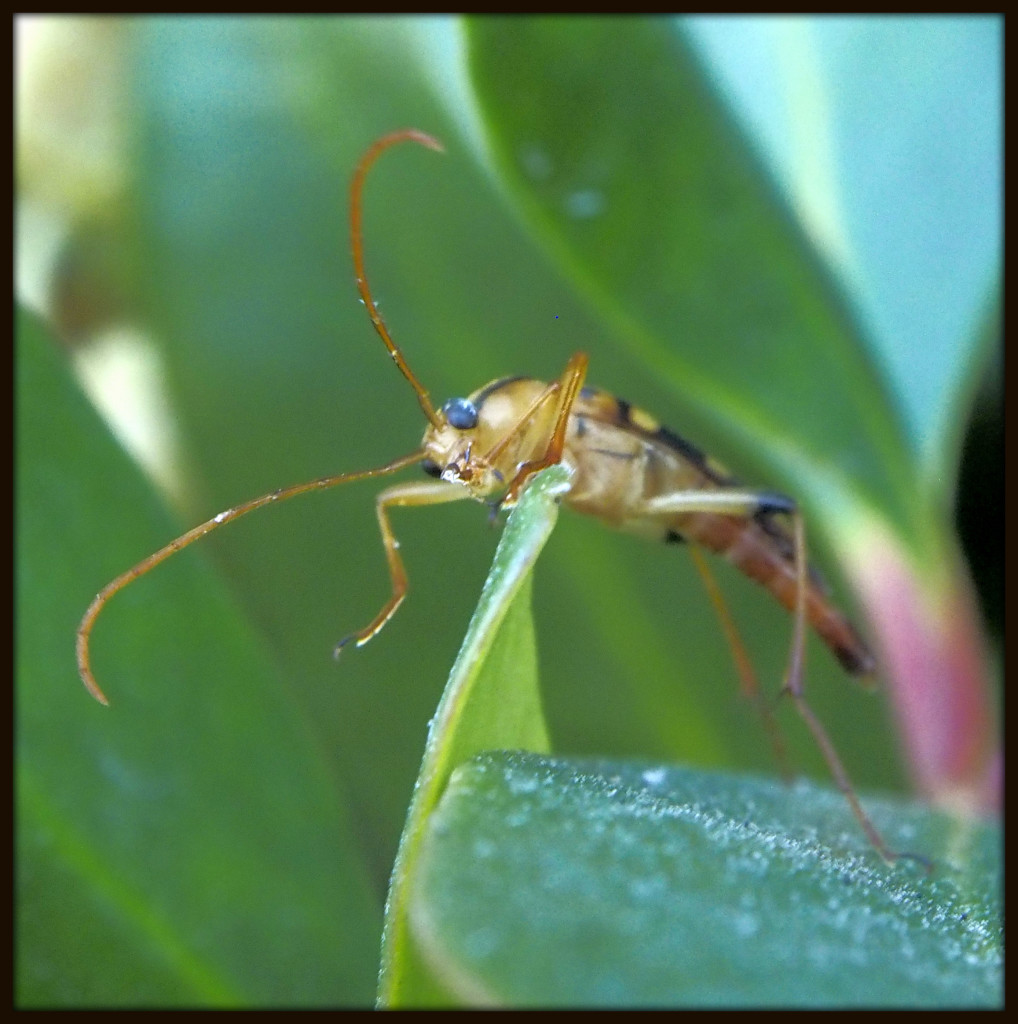
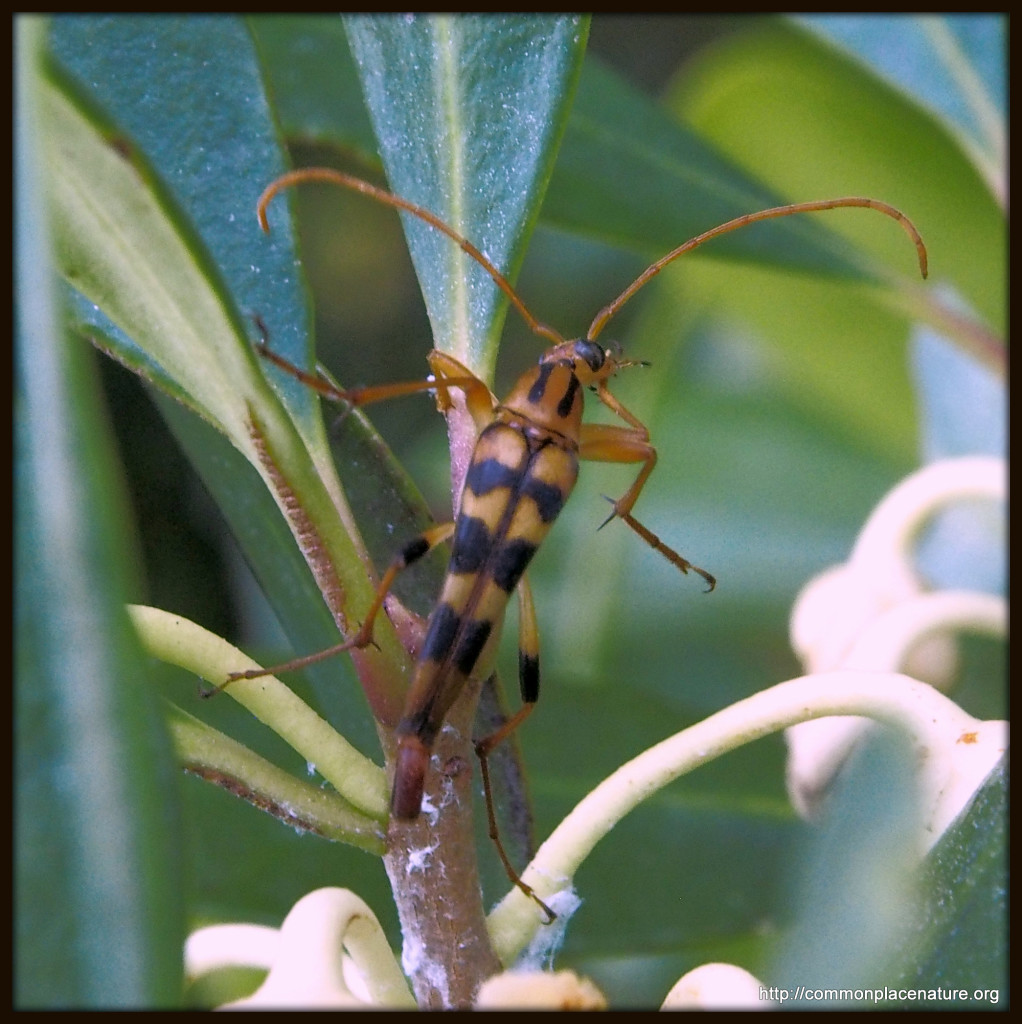
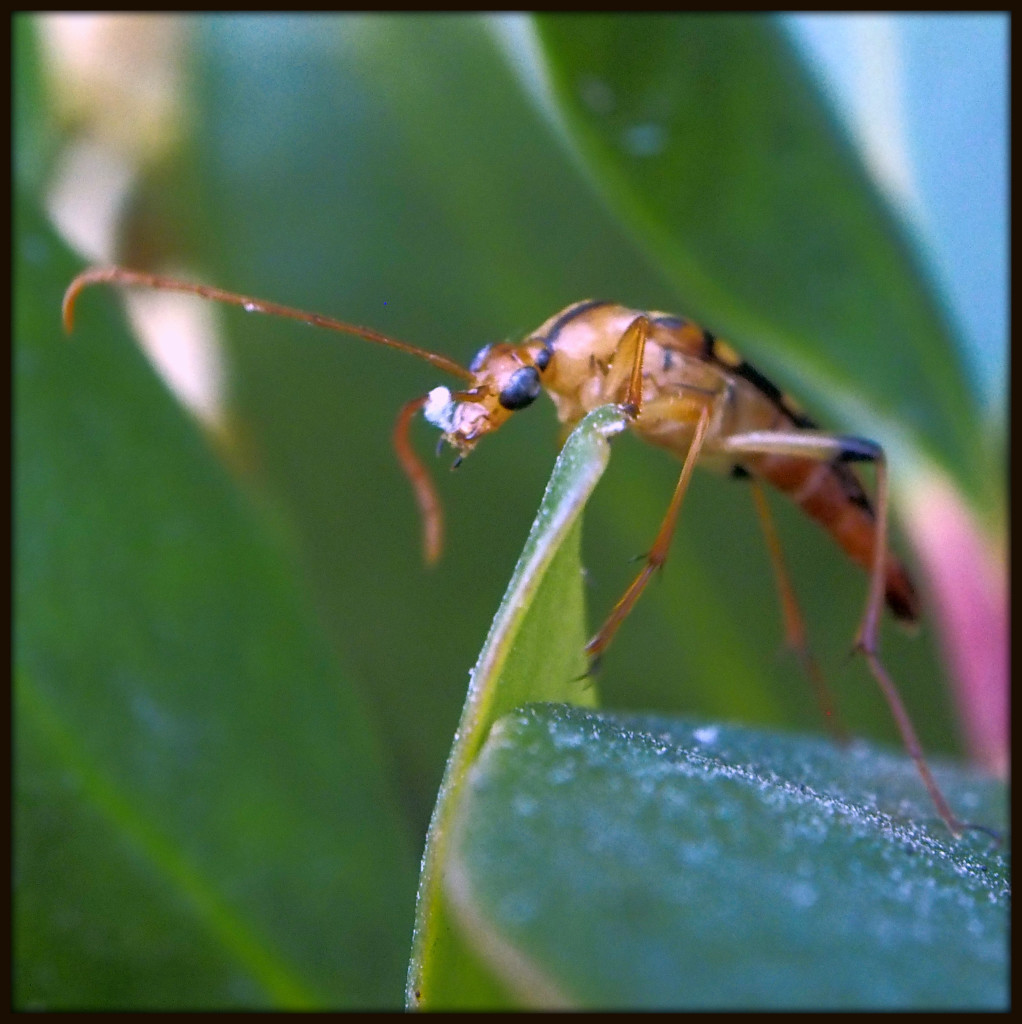
Undoubtedly one of the Cleyera’s most dapper customers as summer gets underway is this Longhorned Beetle (Strangalia luteicornis), a well-heeled and elegant specimen of the Family Cerambycidae.
 

OLYMPUS DIGITAL CAMERA


OLYMPUS DIGITAL CAMERAOLYMPUS DIGITAL CAMERA


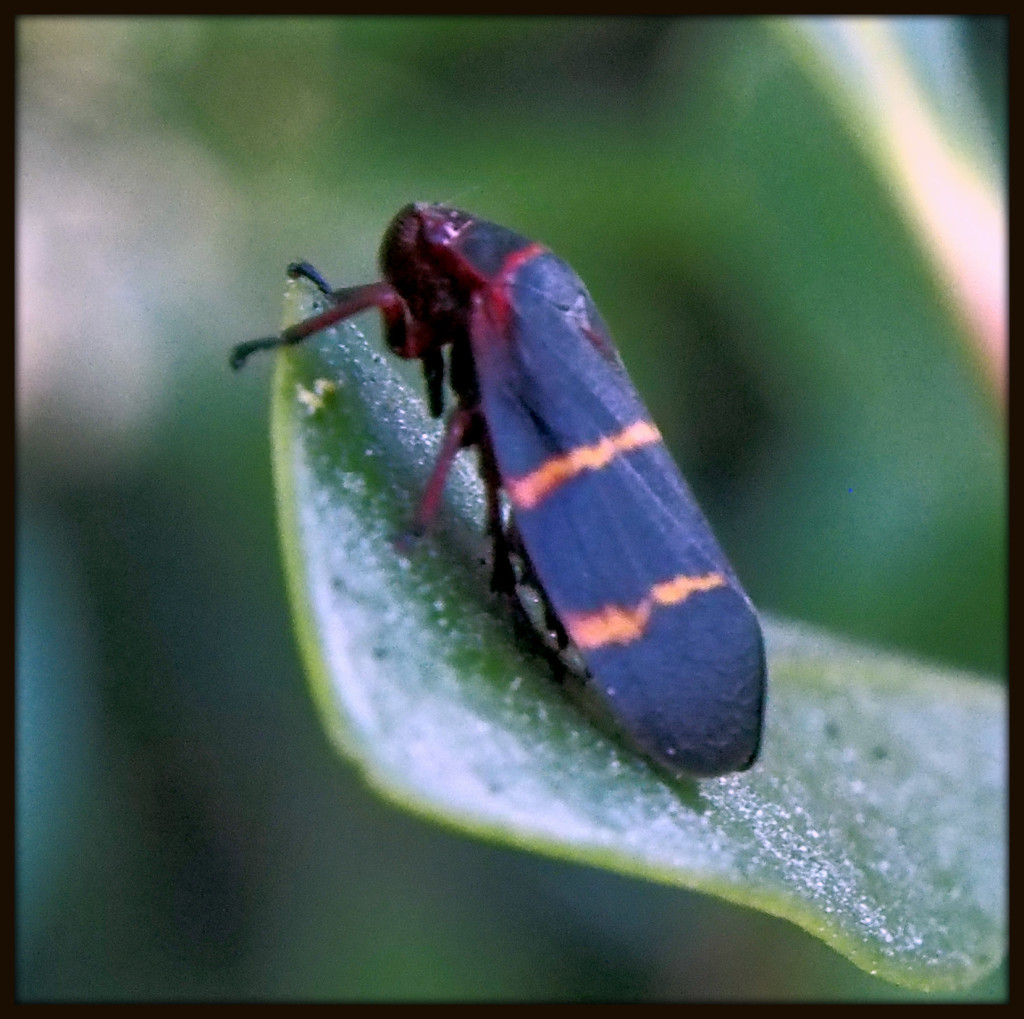
If you visit the Cleyera, it is worth watching out for the occasional riff-raff — unsavory characters such as this two-lined spittlebug (Prosapia bicincta), a common pest of turf grass and ornamentals.
 

OLYMPUS DIGITAL CAMERA


The Cleyera — a great place to party, and get some serious pollinating done — but only while the flowers are blooming.