I arrived to Piney Woods Church Road near sunset, after an evening thunderstorm. The lighting was marvelous; for a few minutes, the sun on its descent emerged from the clouds to shine a brilliant yellow-orange low in the sky.
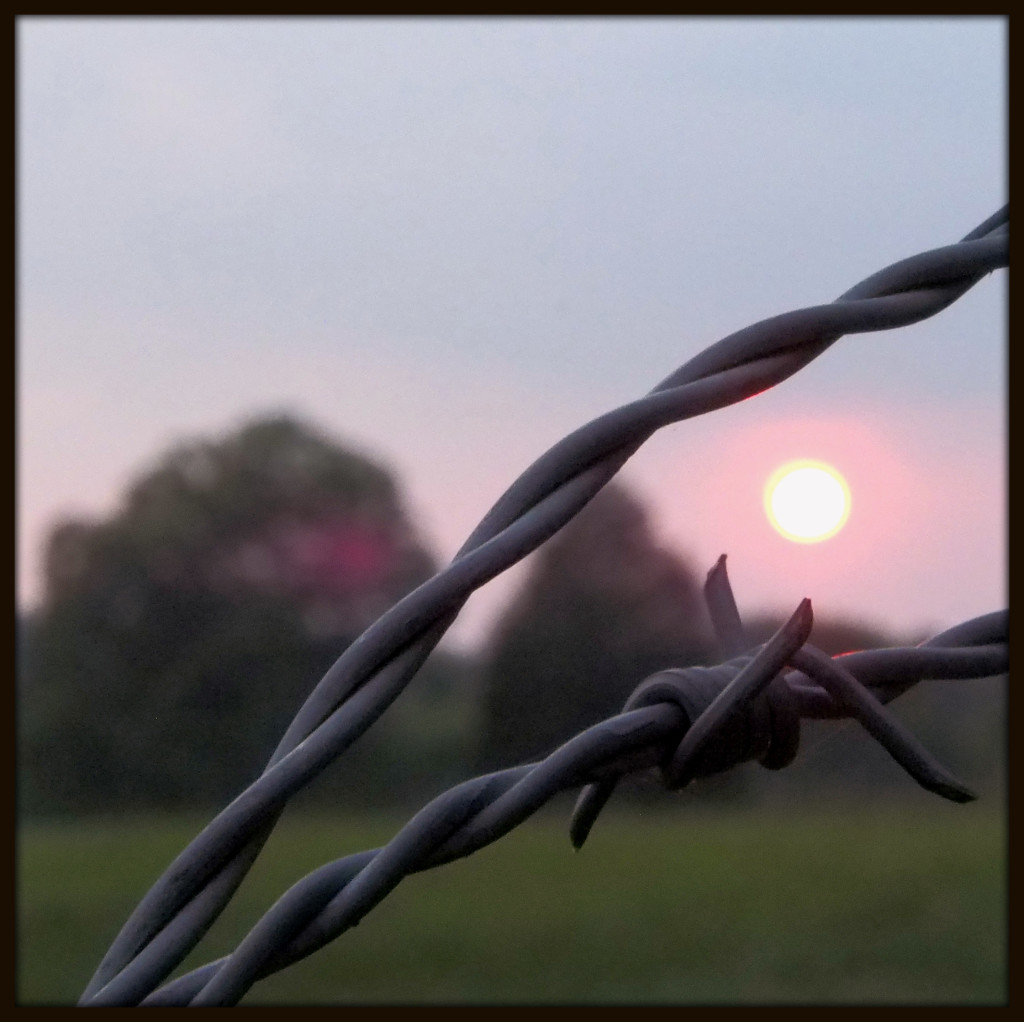
I arrived to Piney Woods Church Road near sunset, after an evening thunderstorm. The lighting was marvelous; for a few minutes, the sun on its descent emerged from the clouds to shine a brilliant yellow-orange low in the sky.
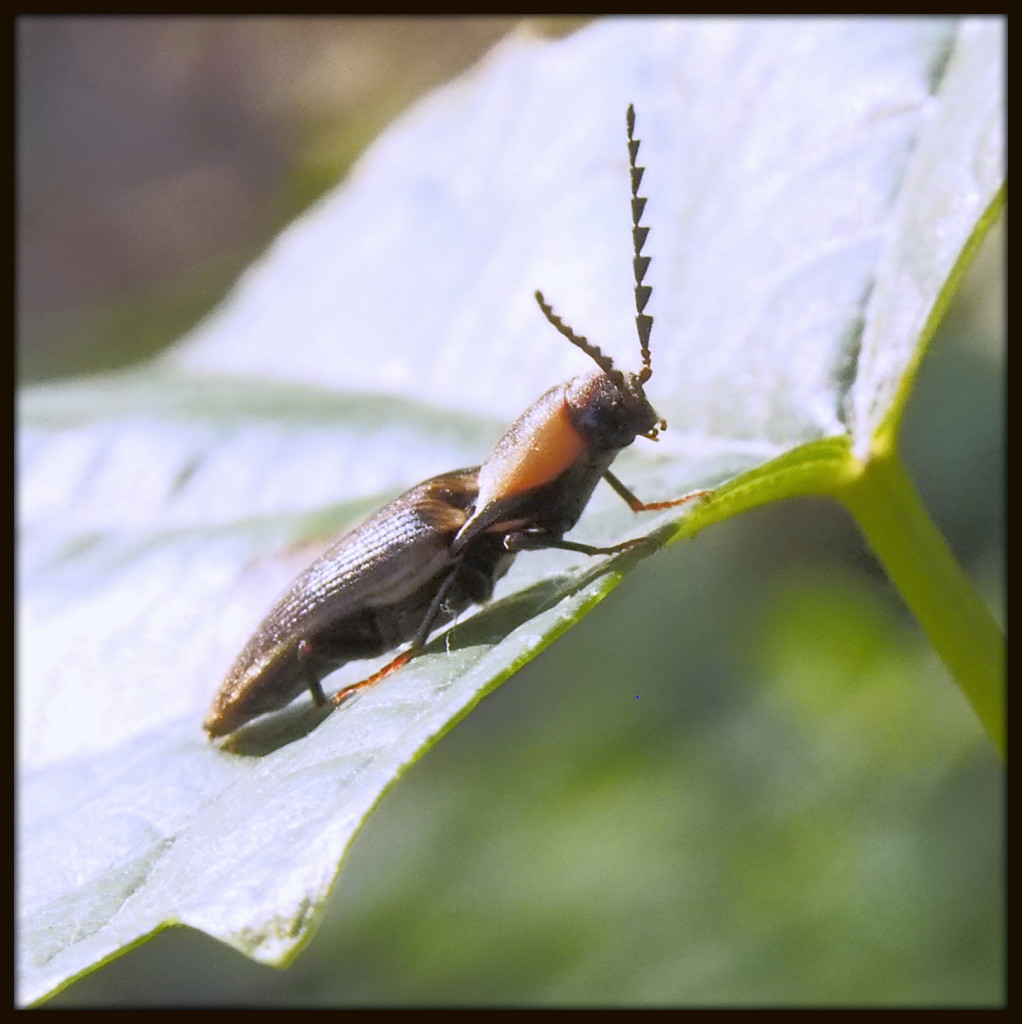
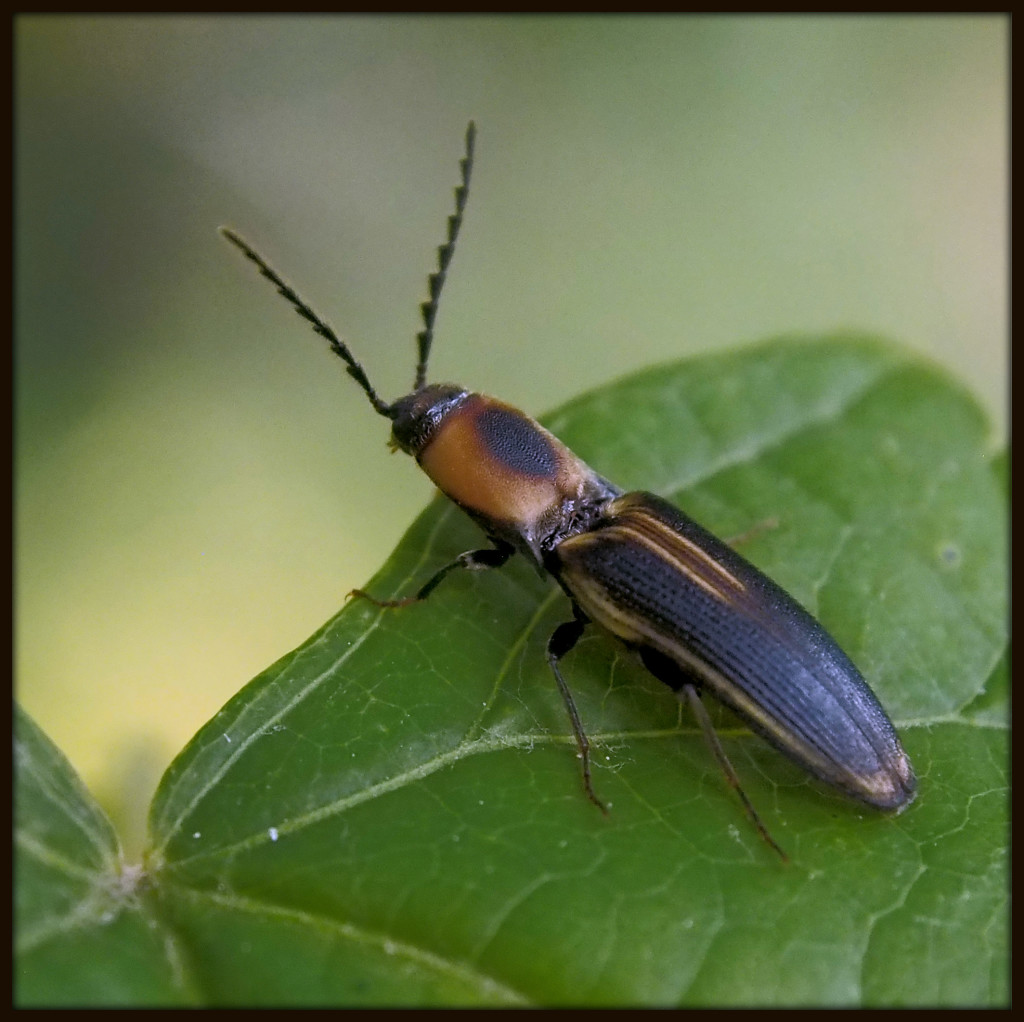
Here is a charming beetle that I encountered resting placidly on a muscadine grape leaf. I have since learned, with assistance from Facebook folks at BugGuide, that it is a click beetle, Megapenthes limbalis.
I felt compelled to photograph this unusual frond of ebony spleenwort (Asplenium platyneuron), which had developed a bend during its growth.
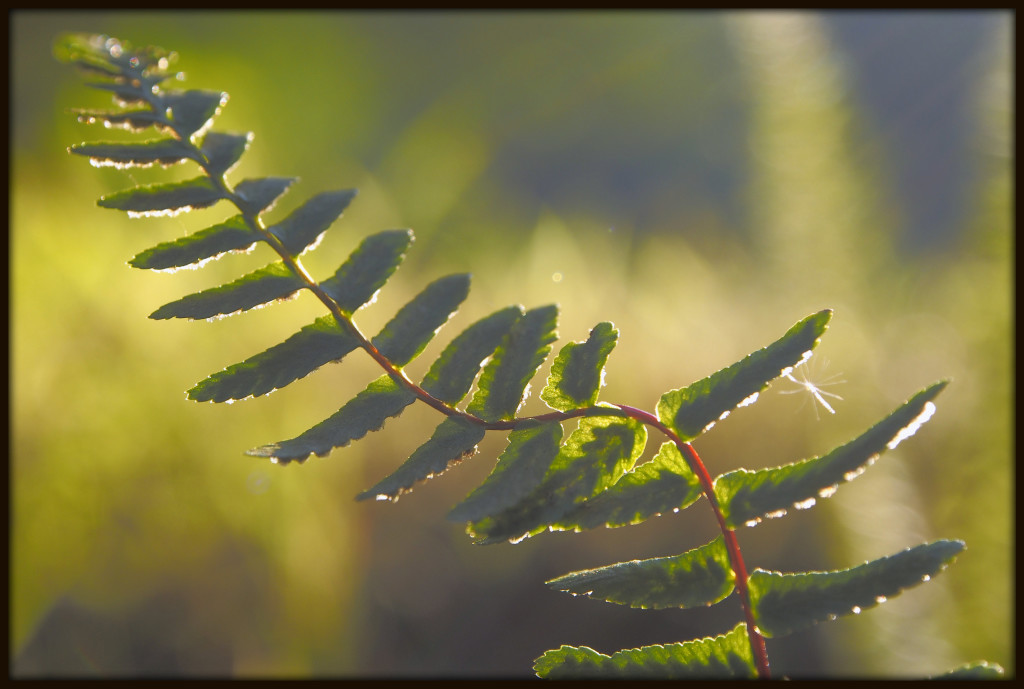
Here are two radiant photographs, gifts of the golden hour before sunset.
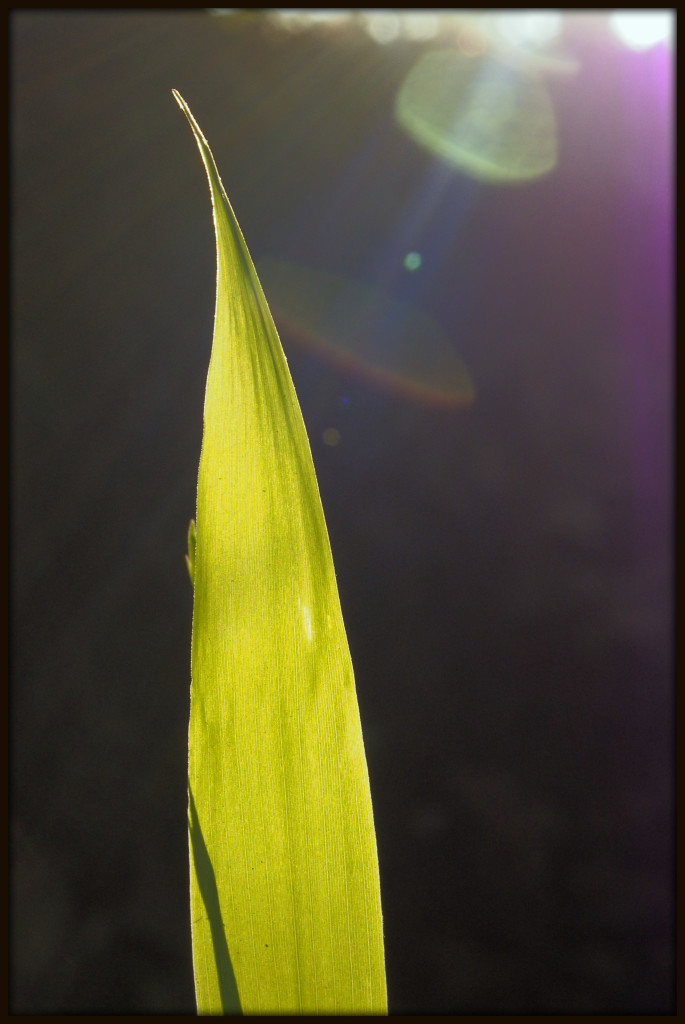
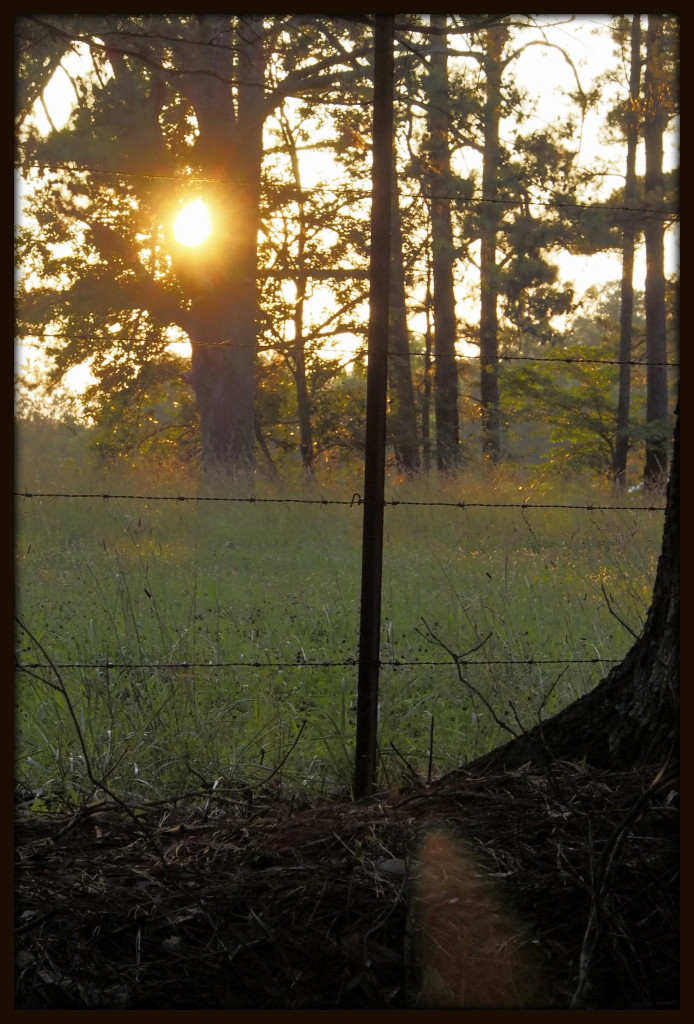
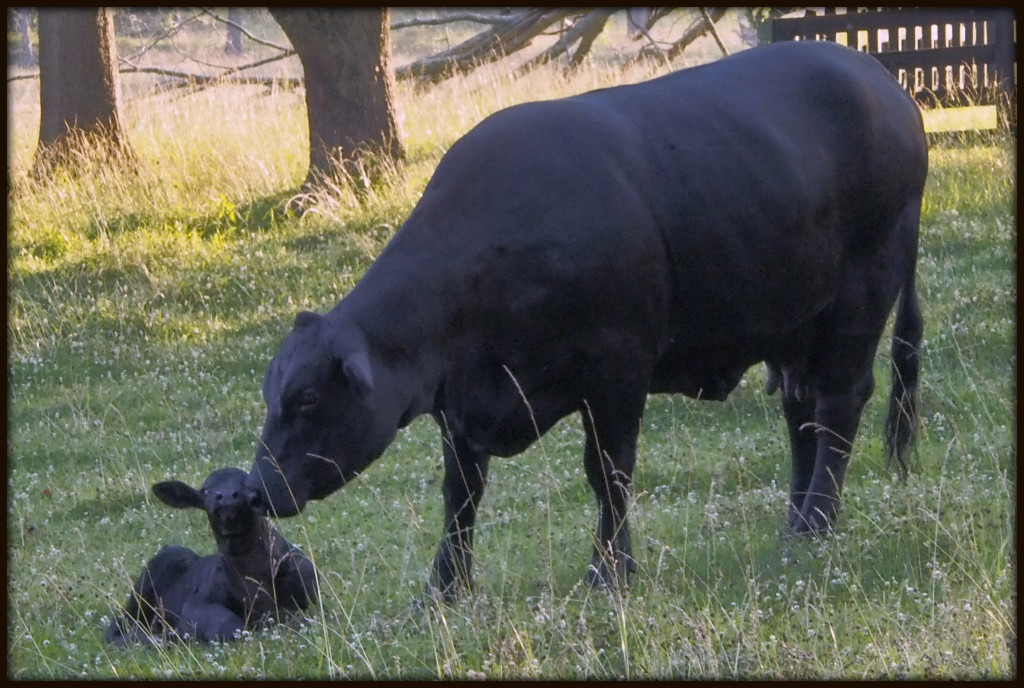
Late this afternoon I sauntered down Piney Woods Church Road, hoping to obtain a few photos of plant leaves in golden-hour sunlight. I was startled — and delighted — to see young calves out in the pasture with their mothers. According to a neighbor, the calves are probably less than a week old. In this photograph, a new mother nuzzles her young charge.
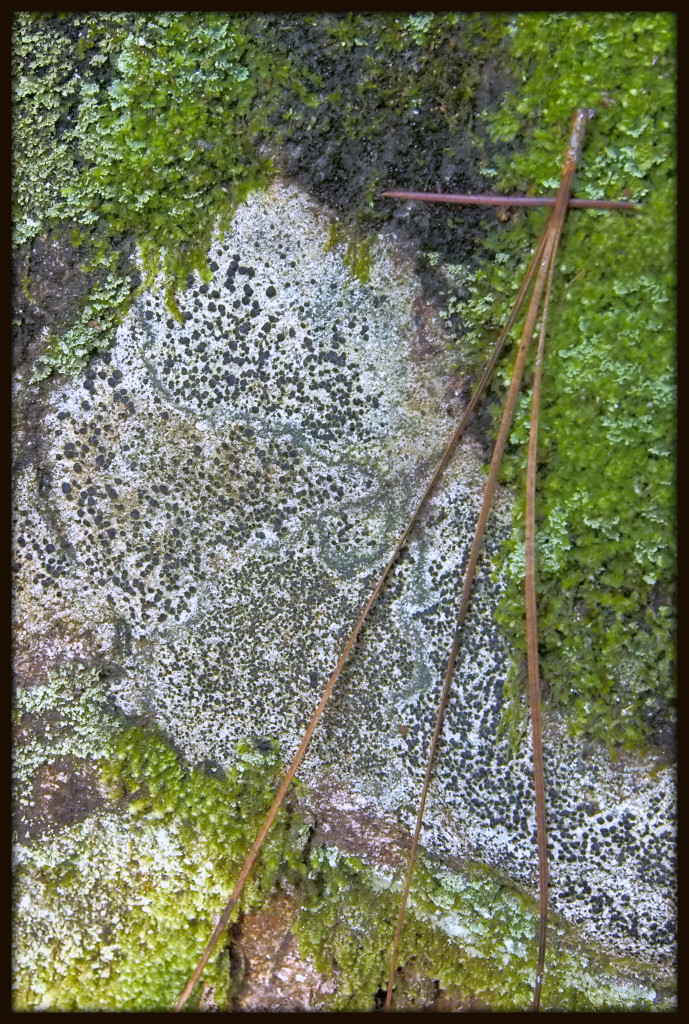
I have passed this moss- and lichen-encrusted boulder of granite for 166 days now, and at last, I include its photograph. My first love was geology, and one of the landscape features I miss most along Piney Woods Church Road is a fresh roadcut, a spot where a road has been blasted or bulldozed through the local bedrock. This boulder is the largest geological specimen on my daily walk. At several hundred million years old, it truly is a Rock of Ages.
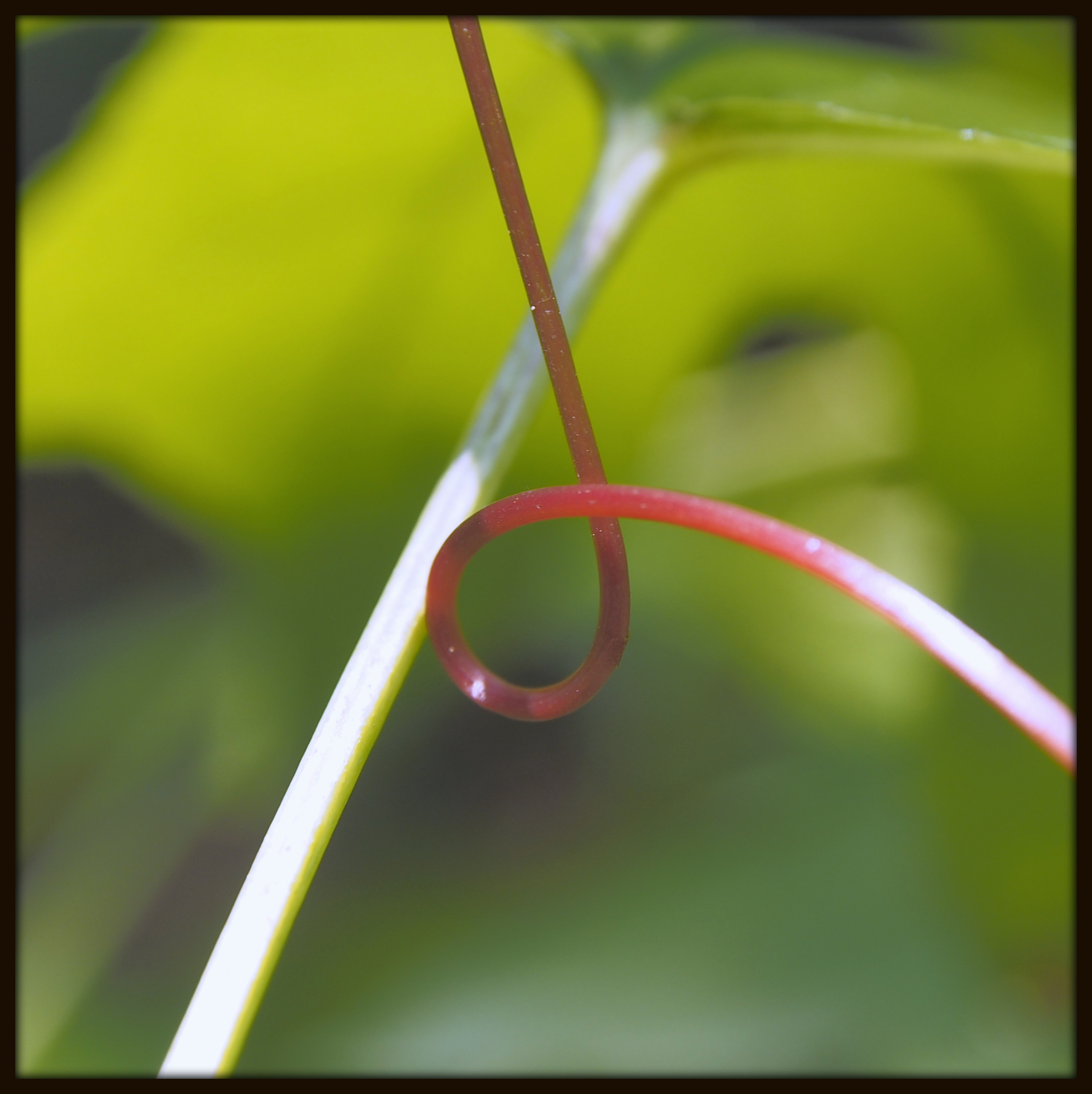
I continue to be intrigued by the many twists and turns of the tendrils of muscadine grapevine (Vitis rotundifolia). The more attention I pay to them, the more I begin to wonder at patterns I notice. For example, it seems as if all the bright red tendrils are located near the top of the vine, in places exposed to direct sunlight. The tendrils lower down on the plan tend toward much paler red or even green. I wonder if the red tendrils contain a photosynthetic pigment that the green ones do not. Something to research further….
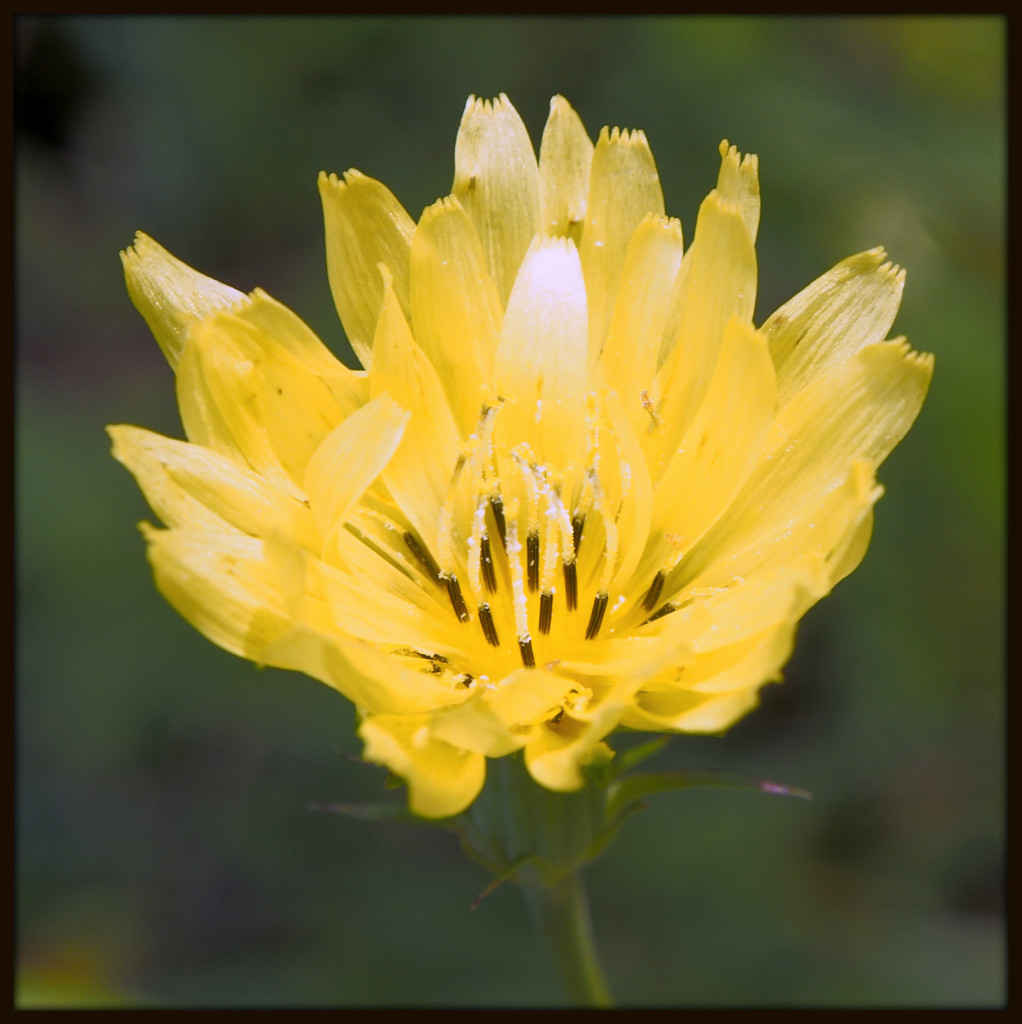
Today as I strolled along the Piney Woods Church Road drainage ditch, I glimpsed this yellow flower by the side of the ditch. I later identified it as Goatsbeard, (Tragopogon pratensis). Another immigrant from Europe, it is also called Showy Yellow Goatsbeard to distinguish it from Yellow Goatsbeard (also from Europe). To add further confusion, there are half a dozen other common names routinely applied to one or the other of the two plants, making a very good argument for the benefit of using Latin taxonomic names instead. Goatsbeard earned its common name, I suspect, because of its airy, dandelion-like seed ball, three inches across.
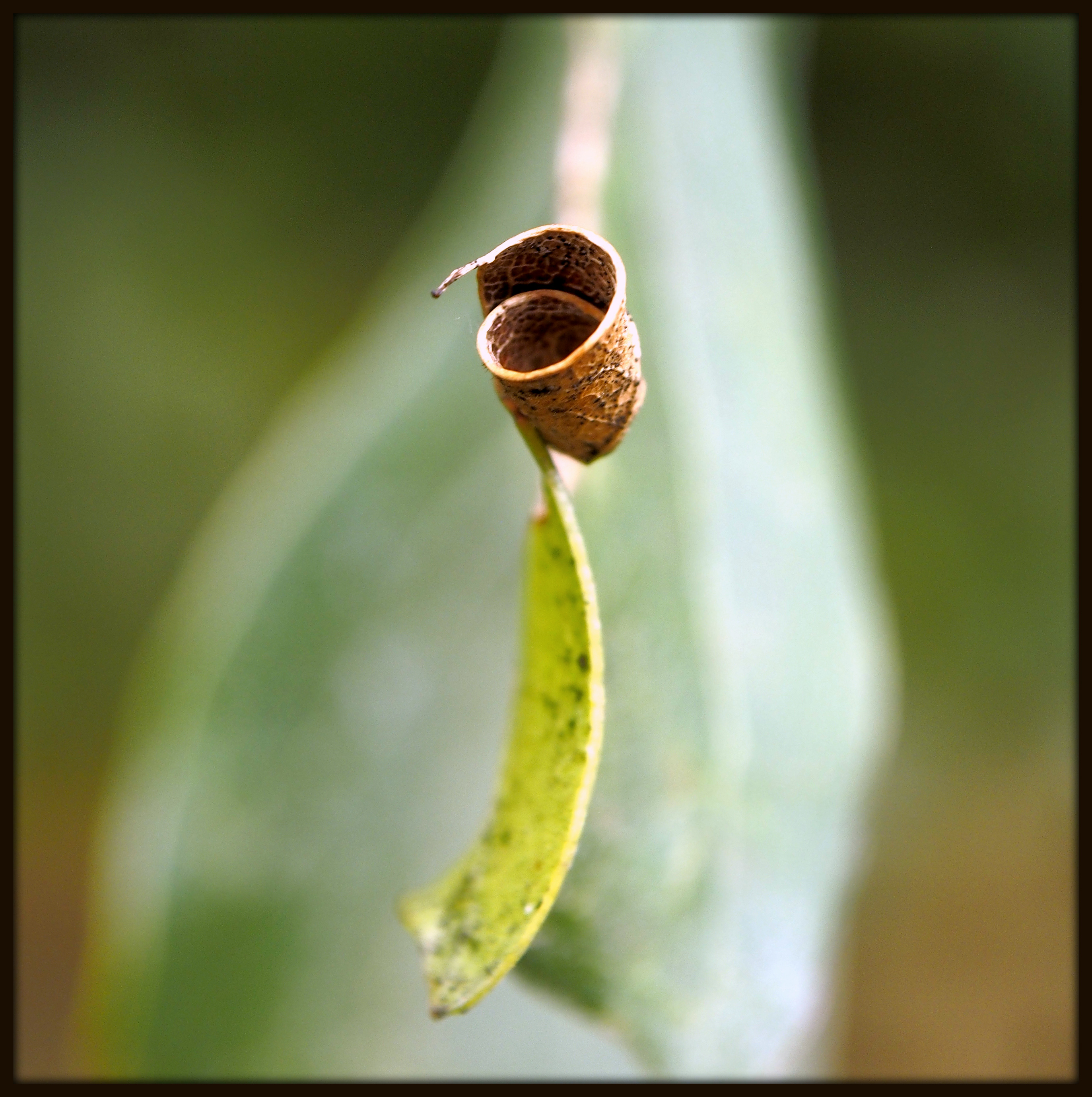
My favorite image from this afternoon’s Piney Woods Church Road walk is this dried and curled bit of water oak leaf.
For a drippy, languid gray Friday afternoon, a meditation on green: A water droplet clings to the stem of a sweetgum leaf.
