Jun 142014
 

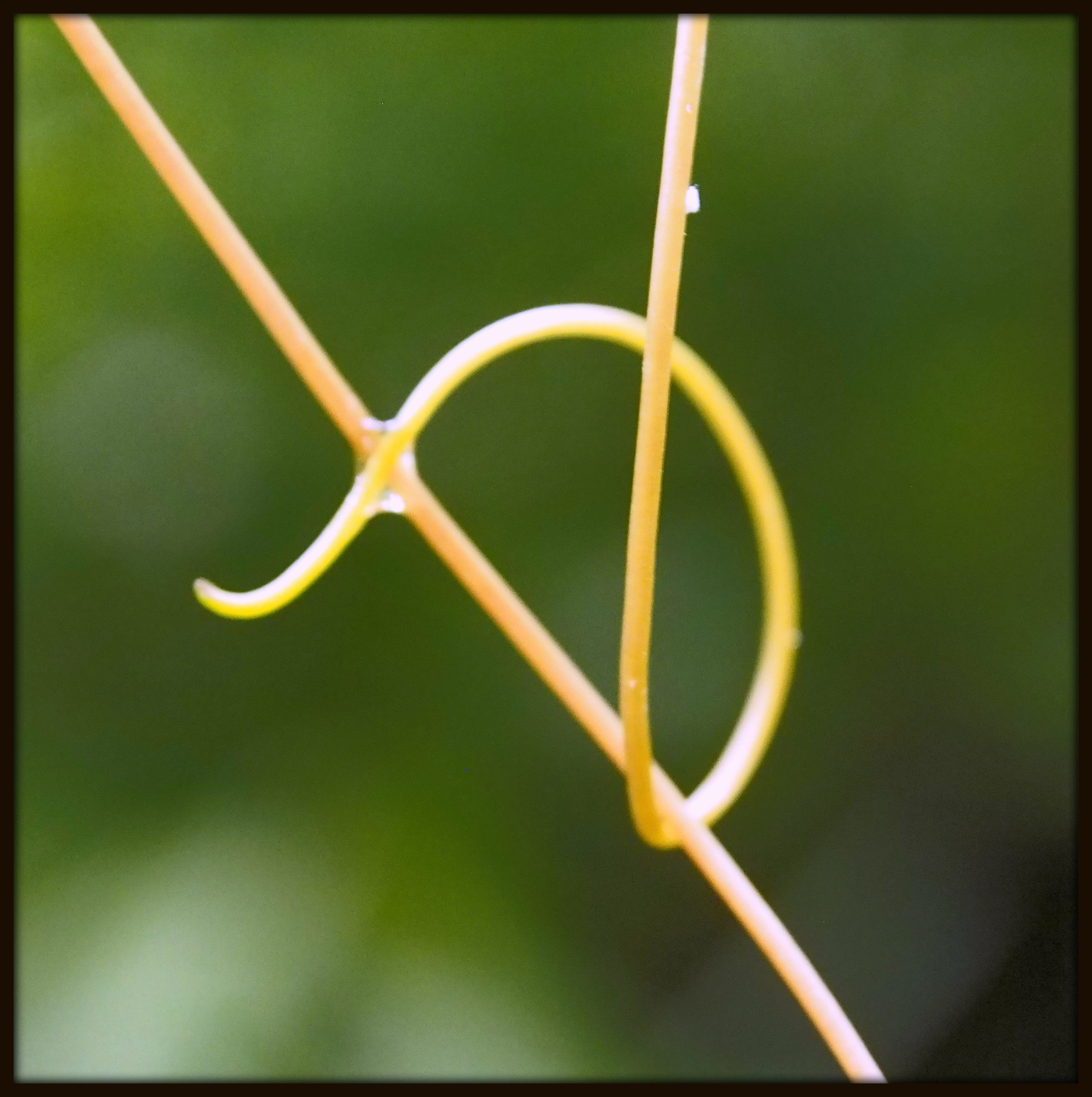
I continue to be intrigued by the many twists and turns of the tendrils of muscadine grapevine (Vitis rotundifolia).  The more attention I pay to them, the more I begin to wonder at patterns I notice.  For example, it seems as if all the bright red tendrils are located near the top of the vine, in places exposed to direct sunlight.  The tendrils lower down on the plan tend toward much paler red or even green.  I wonder if the red tendrils contain a photosynthetic pigment that the green ones do not.  Something to research further….


Clockwise


Jun 142014
 

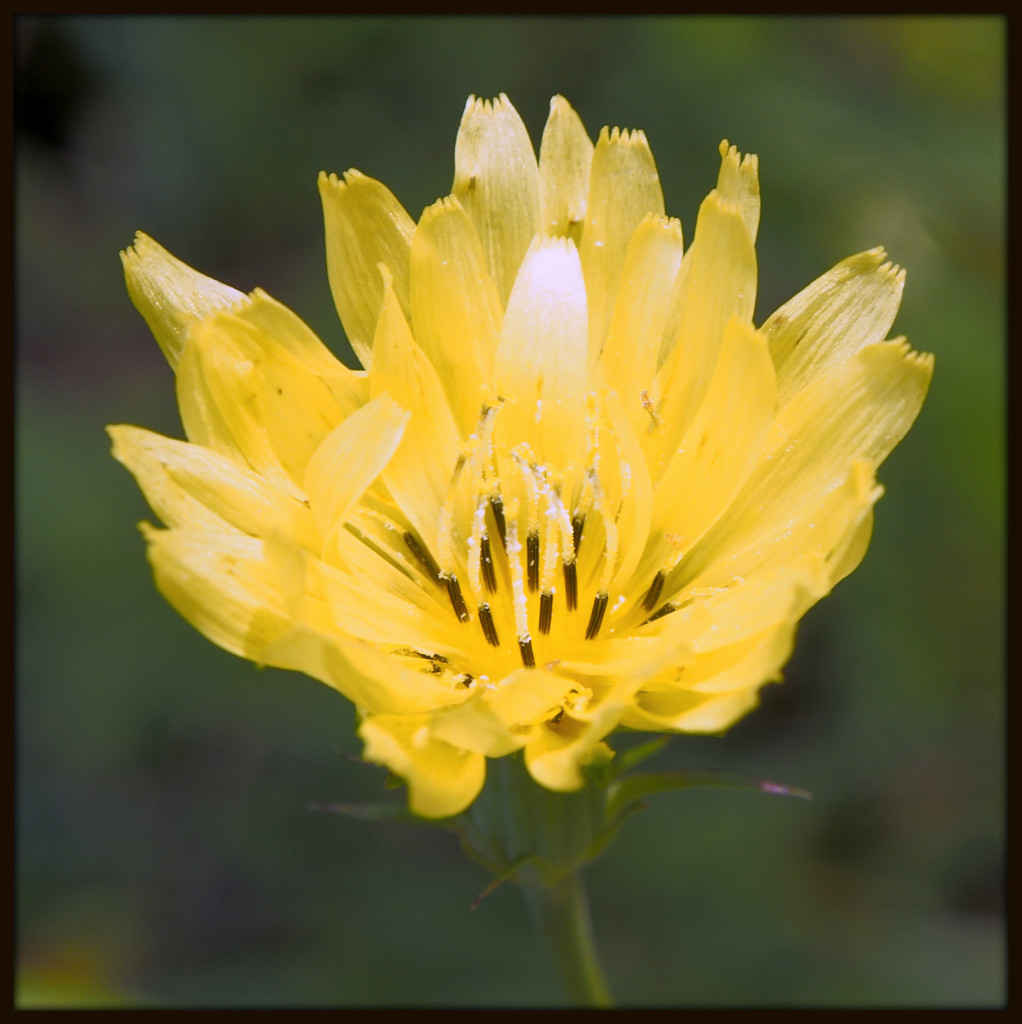
Today as I strolled along the Piney Woods Church Road drainage ditch, I glimpsed this yellow flower by the side of the ditch.  I later identified it as Goatsbeard, (Tragopogon pratensis).  Another immigrant from Europe, it is also called Showy Yellow Goatsbeard to distinguish it from Yellow Goatsbeard (also from Europe).  To add further confusion, there are half a dozen other common names routinely applied to one or the other of the two plants, making a very good argument for the benefit of using Latin taxonomic names instead.  Goatsbeard earned its common name, I suspect, because of its airy, dandelion-like seed ball, three inches across.


OLYMPUS DIGITAL CAMERA

Jun 112014
 

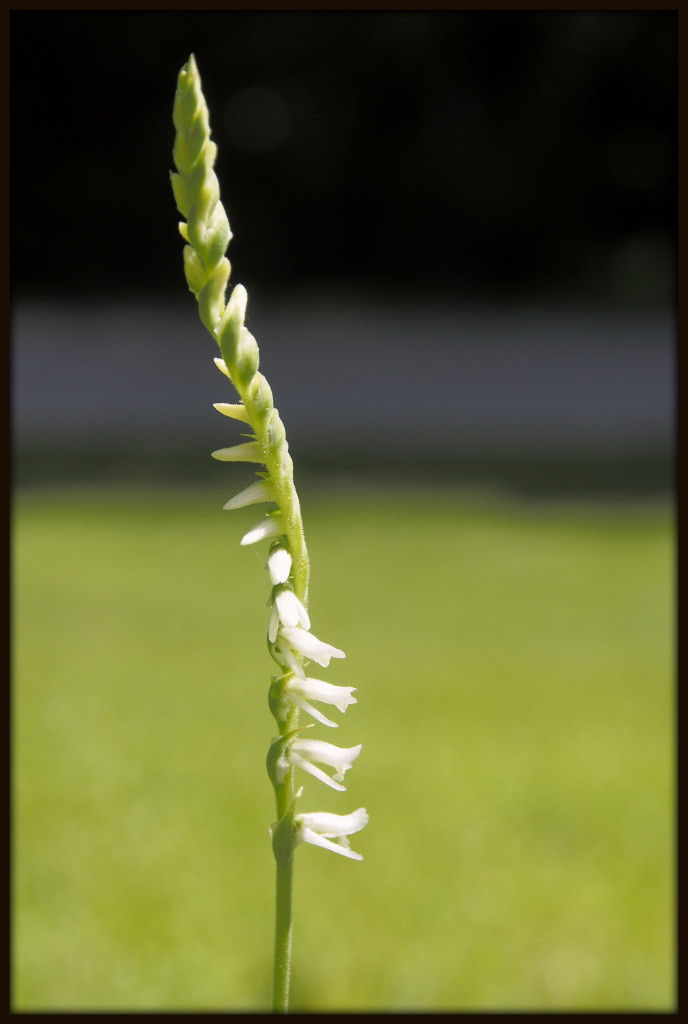
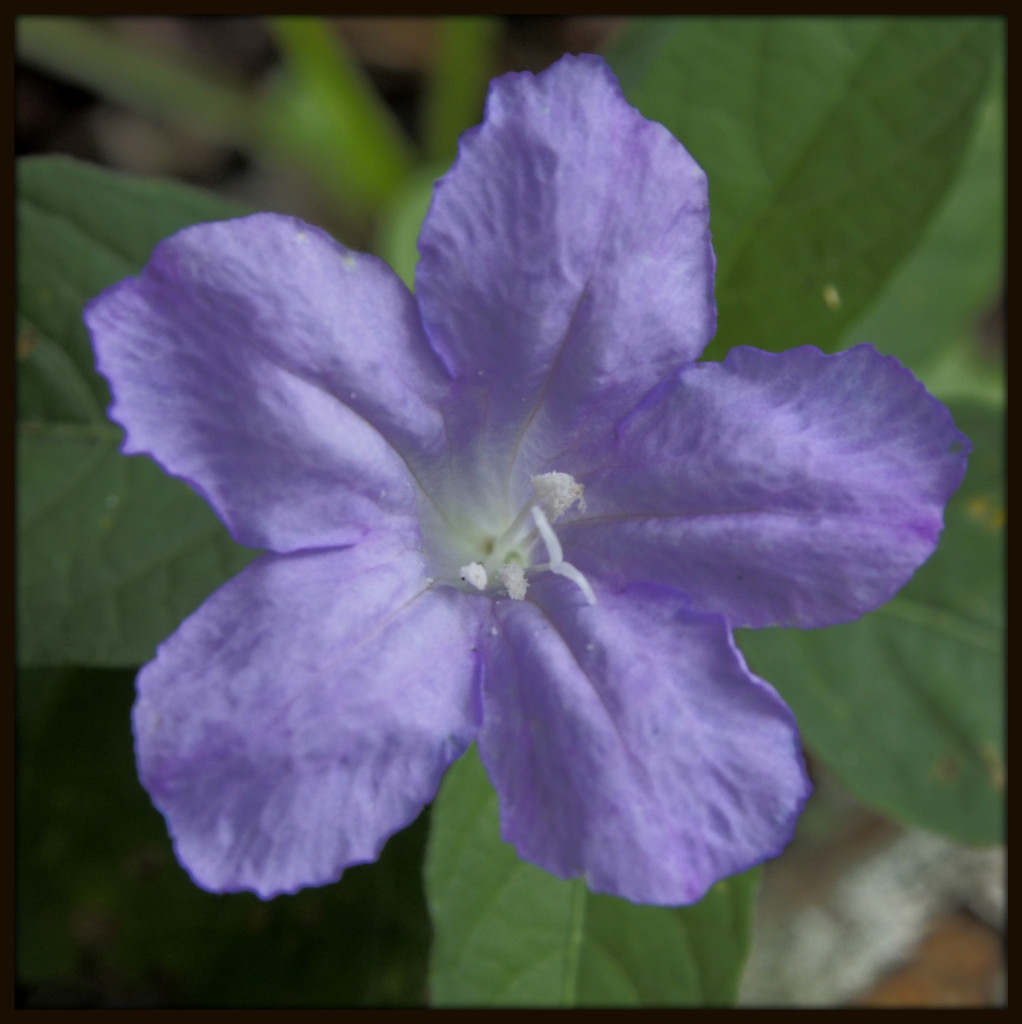
There are two more flowers in bloom in my neighborhood, though I haven’t found examples yet along Piney Woods Church Road.  The first is the Slender Ladies’ Tresses Orchid (Spiranthes lacera), which has been appearing in my front lawn for the past several years.  I do the best I can to mow around them when I see them; typically, there are half a dozen of them scattered across my yard.  Then, just across the road from my house, beside Rico Road and in the shade of a forest edge, I saw a single blossom of what I am nearly certain is the Carolina Wild Petunia (Ruellia carolinensis).  This lovely flower looked like it had escaped from somebody’s garden.  However, if my ID is correct, it is actually a wildflower native to much of the Southeast.


OLYMPUS DIGITAL CAMERA


OLYMPUS DIGITAL CAMERA

Jun 112014
 

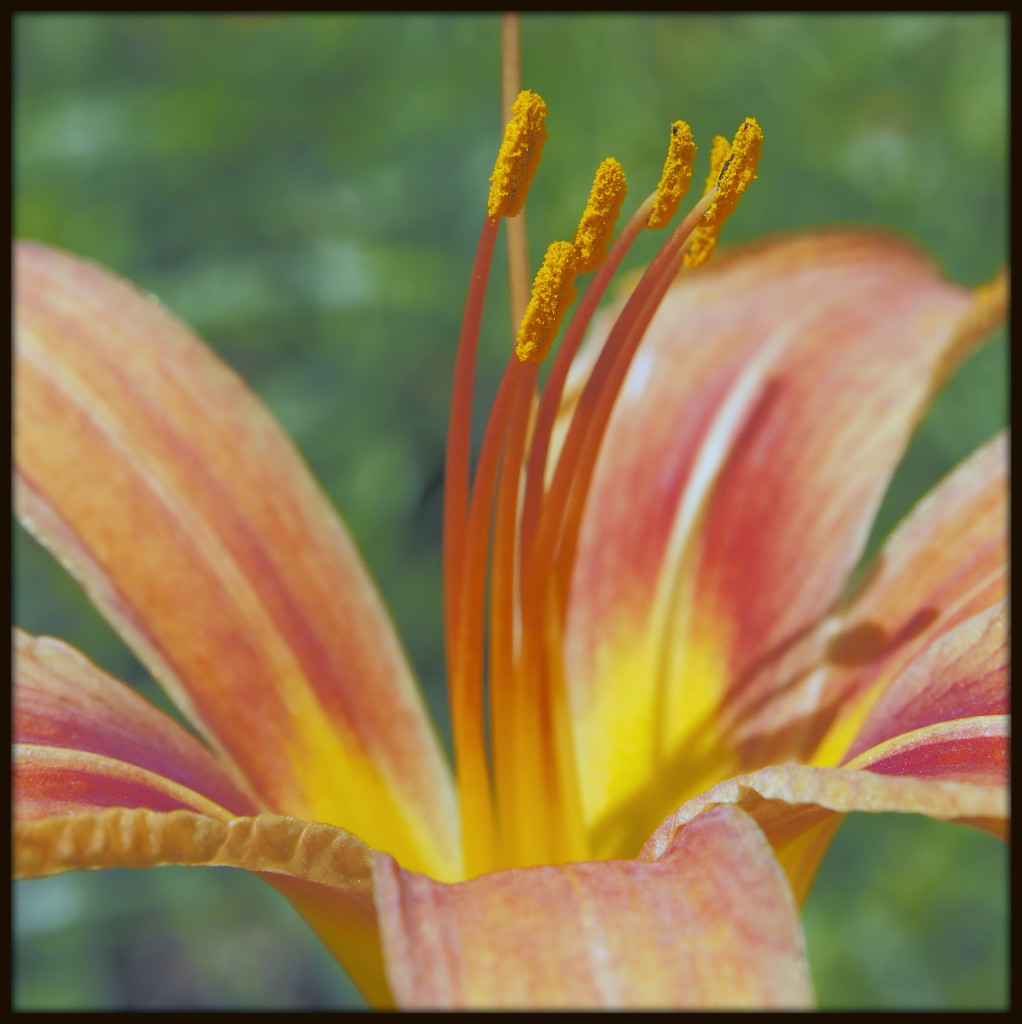
In addition to the all of the still-blooming daisy fleabanes (on their way out, at last), two other flowers are currently in bloom along Piney Woods Church Road:  a lone daylily, and a small number of Carolina horsenettles.

I photographed this daylily plant just two days ago; however, today’s image is of a different bloom.  Each one lasts for only a single day, as the name suggests.  Since there was only one bloom, I again resisted the urge to pluck it.  As I noted in my earlier post, the petals taste like sweet lettuce, adding a splash of orange to a salad.
 

OLYMPUS DIGITAL CAMERA


On the other end of the spectrum is the Carolina horsenettle (Solanum carolinense), also known as sand brier, radical weed, bull-nettle, tread-softly, apple of Sodom, and the devil’s tomato.  As several of these names suggest, the Carolina horsenettle is not edible — in fact, it can be quite toxic, due to the presence of solanine.   Ingesting any part of this thorny plant can make one quite ill; eating the tomato-like fruits can be fatal.  Ironically, unlike the daylily, the Carolina horsenettle is native to the Southeastern United States, though it has now spread across the country.
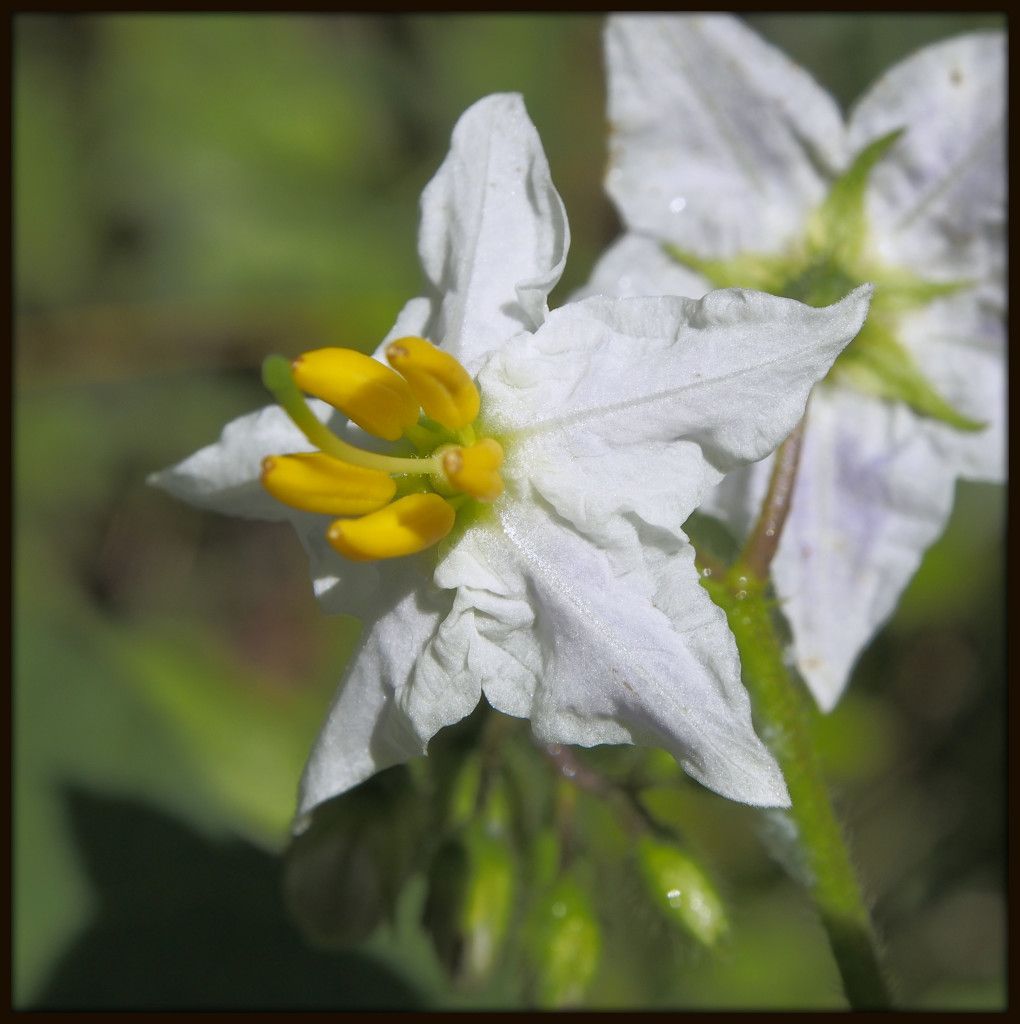
 

OLYMPUS DIGITAL CAMERA


Jun 112014
 

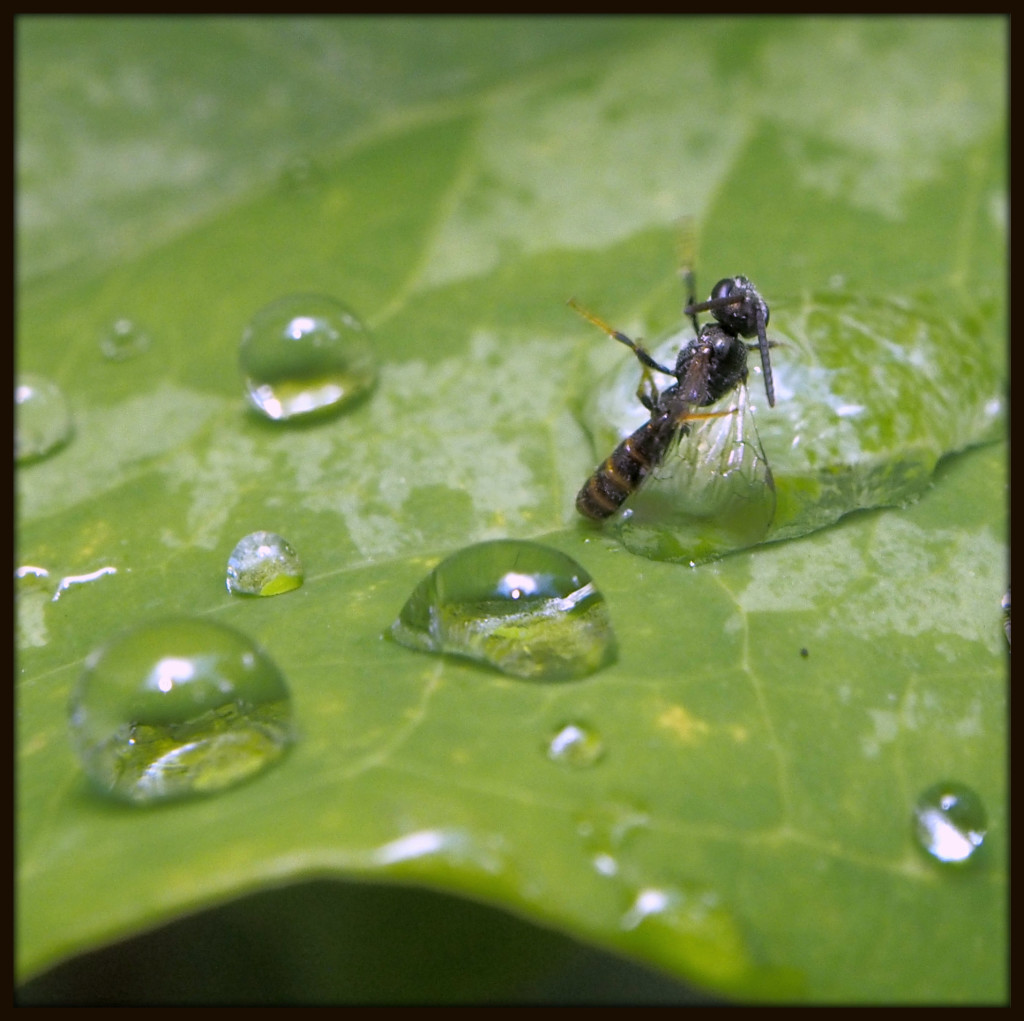
After rainstorms, I enjoy walking Piney Woods Church Road and photographing droplets of water, clinging like jewels to leaves and stems.  But what I glimpse as a thing of beauty can become a deadly snare to a small insect.  This morning, I glimpsed a small flying insect on a greenbrier leaf.  It had accidentally stepped onto the edge of a large drop of water, breaking the surface tension.  As a result, it was stuck as if to gloue, flailing about like a tragic figure in Shakespeare.  I took several photographs if its valiant efforts to break free.  Then, in an act of Deus ex machina, I intervened, offering a dead leaf as a lifeline, freeing the insect from its watery doom.


Trapped!