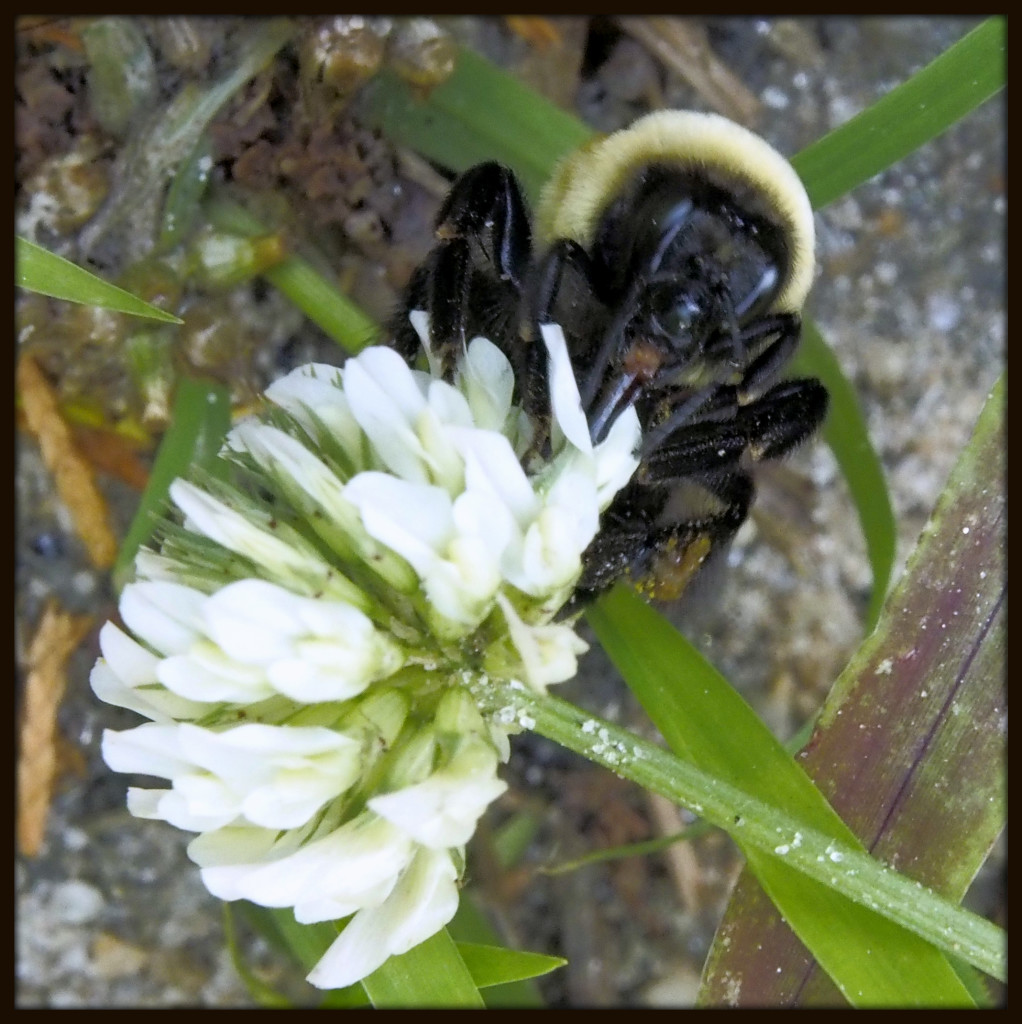
From today’s Piney Woods Church Road walk, four beetle portraits. The top is likely a ladybug beetle of some kind; I cannot identify the second and third as of yet. The last one is not actually a beetle at all, but an adult spittle bug.
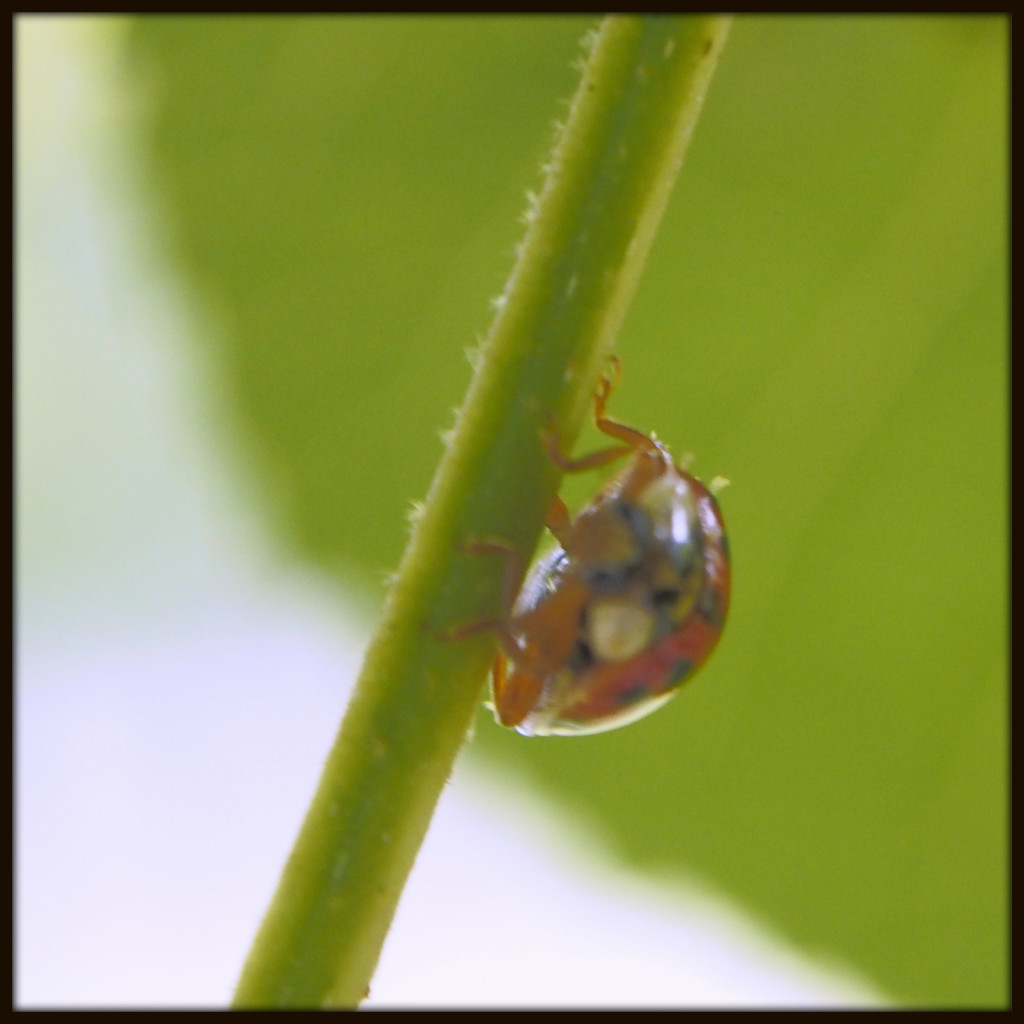
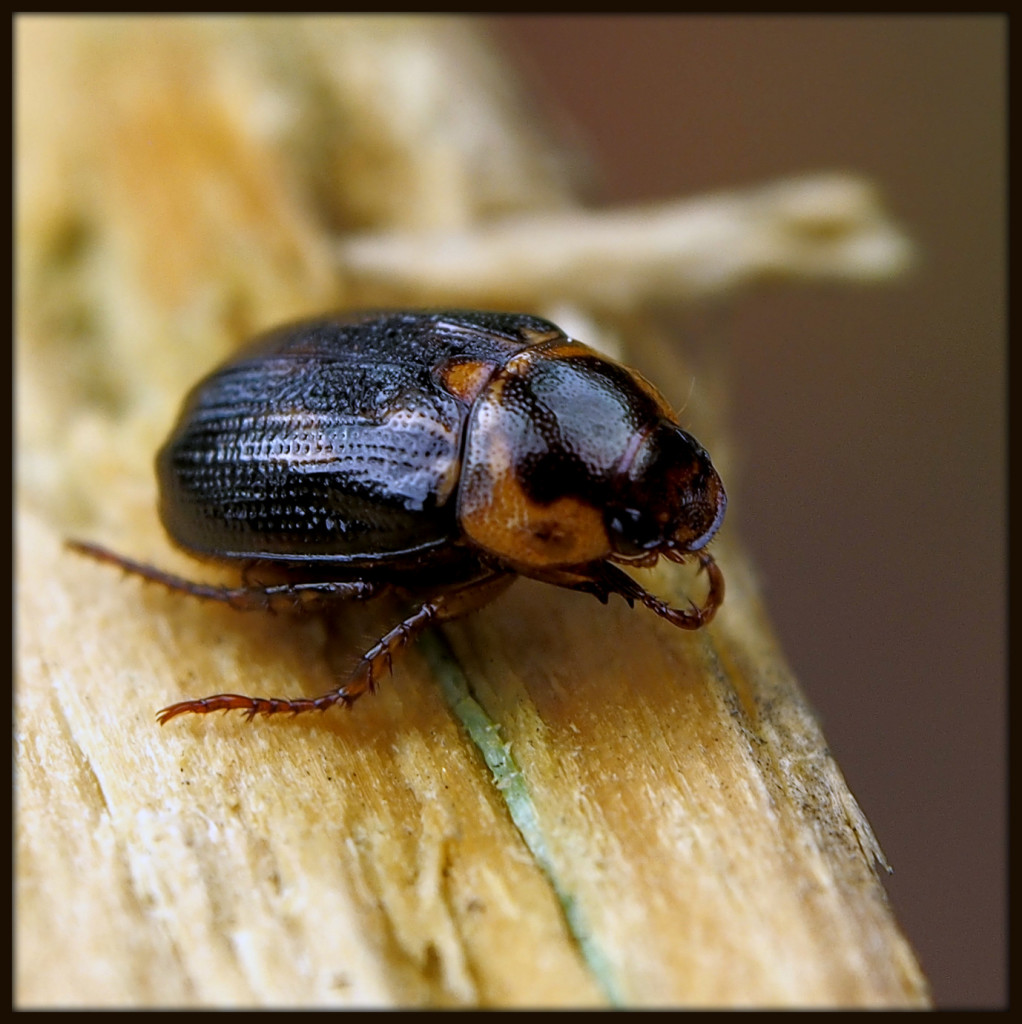
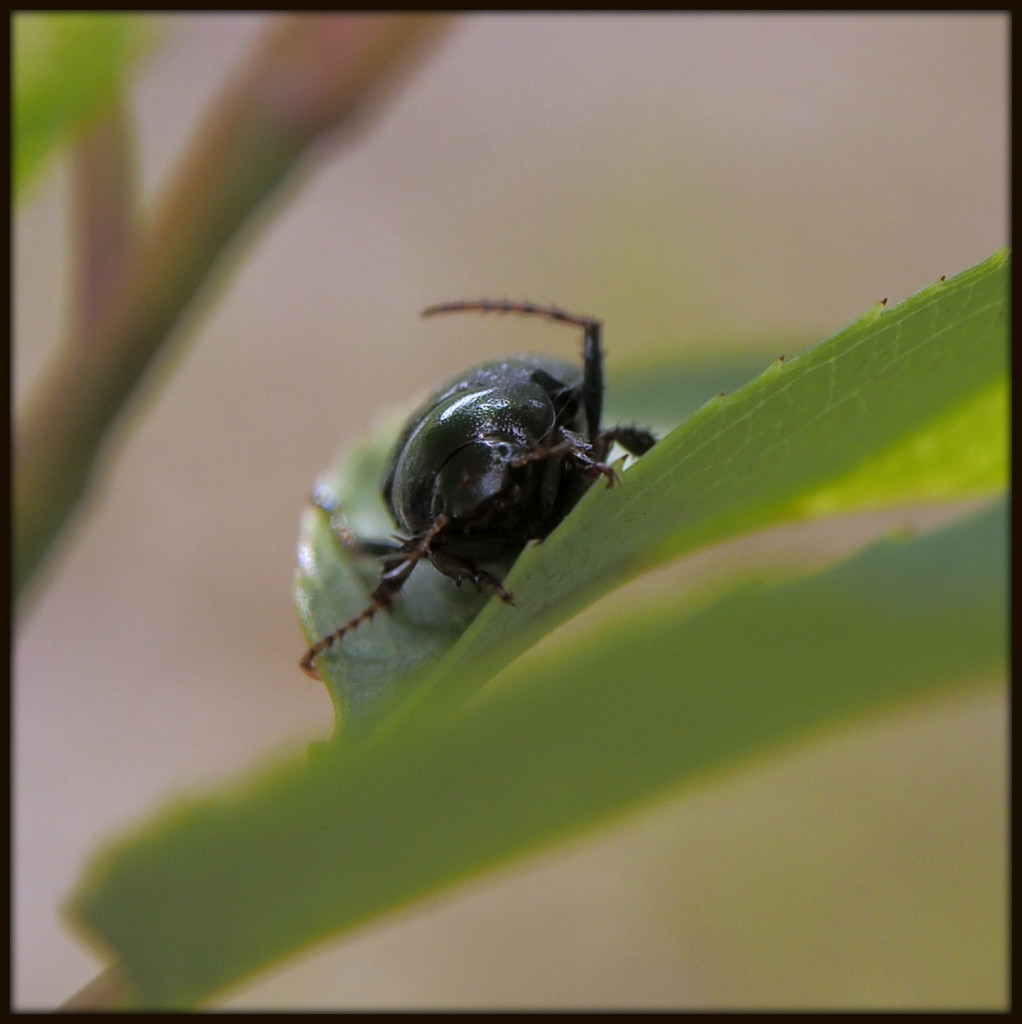
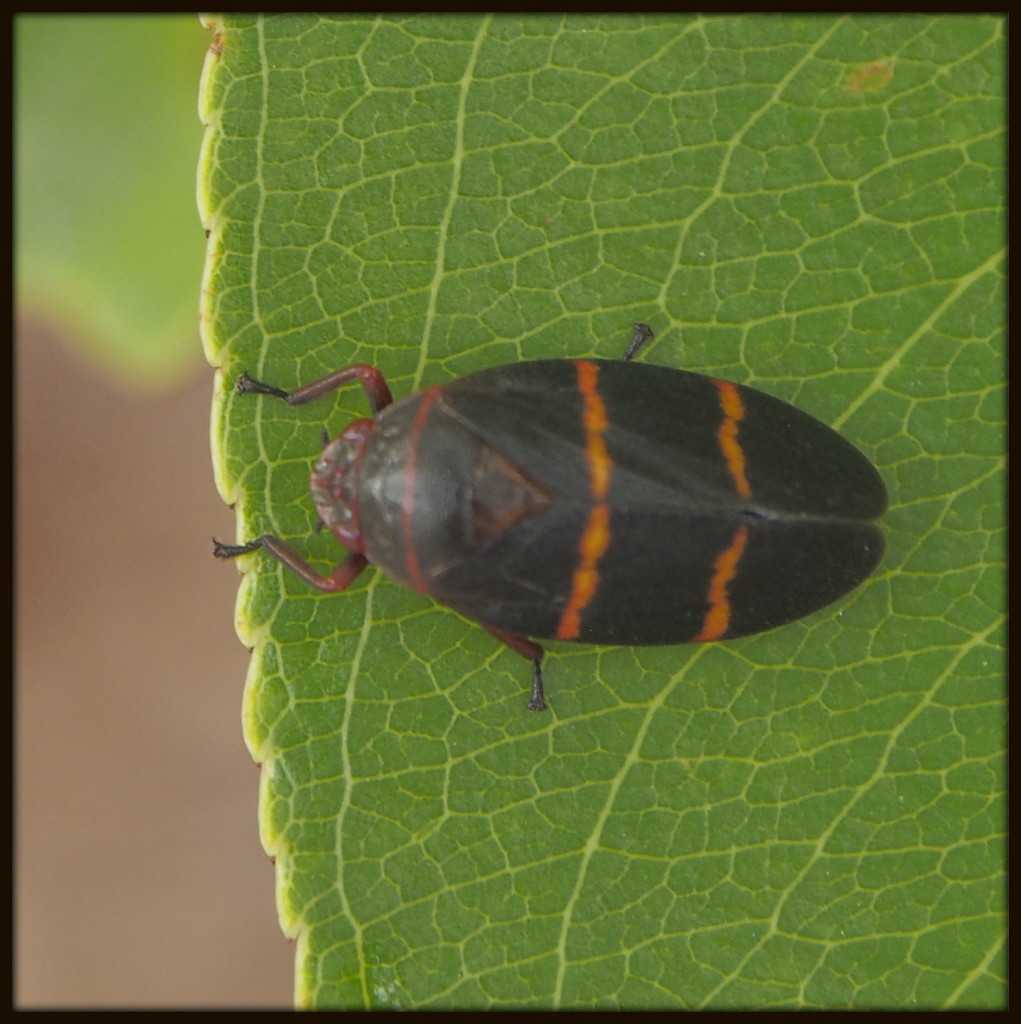
From today’s Piney Woods Church Road walk, four beetle portraits. The top is likely a ladybug beetle of some kind; I cannot identify the second and third as of yet. The last one is not actually a beetle at all, but an adult spittle bug.
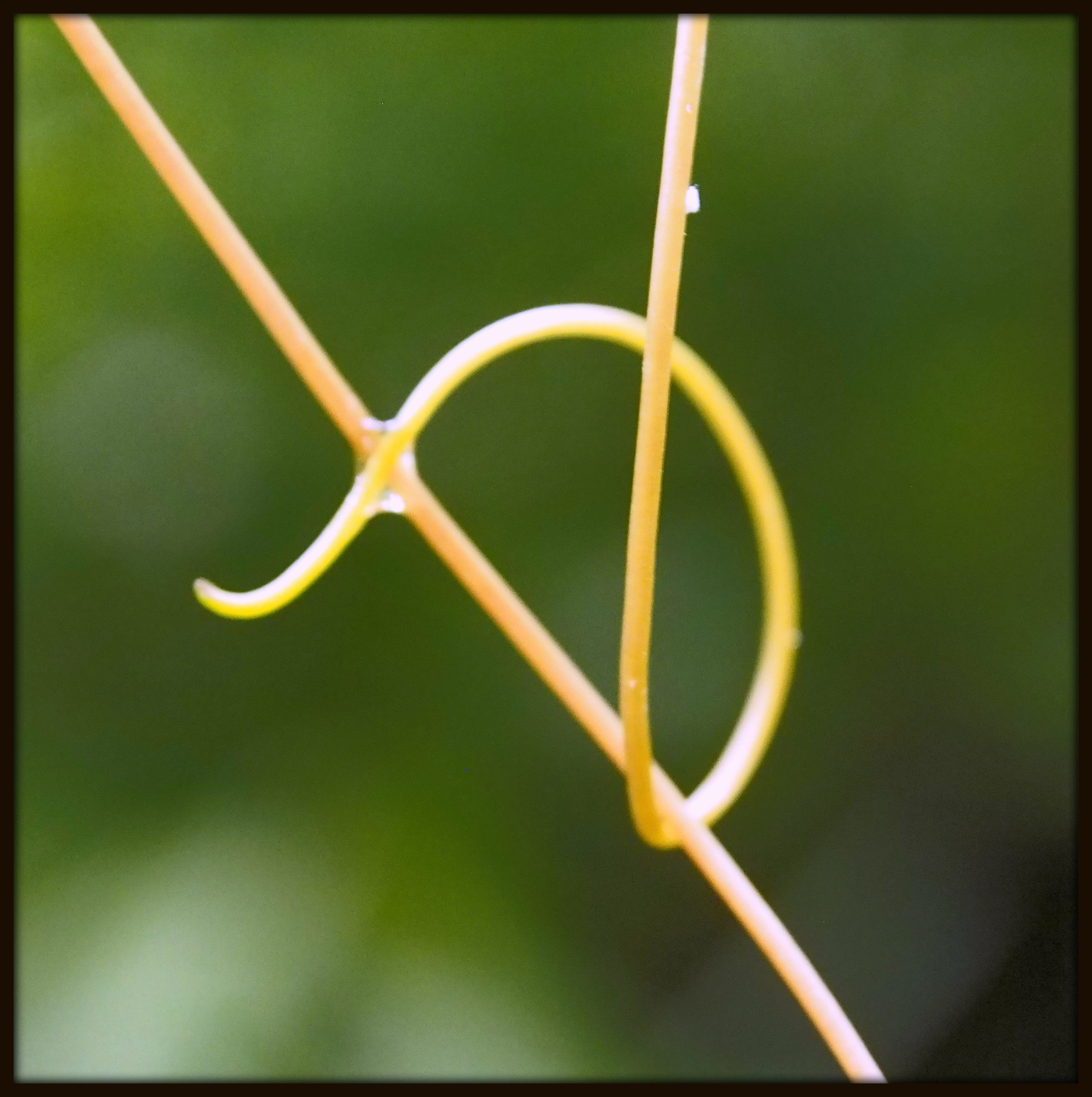
Today on my morning walk I kept finding myself drawn to tendrils of muscadine grapevines, which are growing in profusion right now along Piney Woods Church Road.
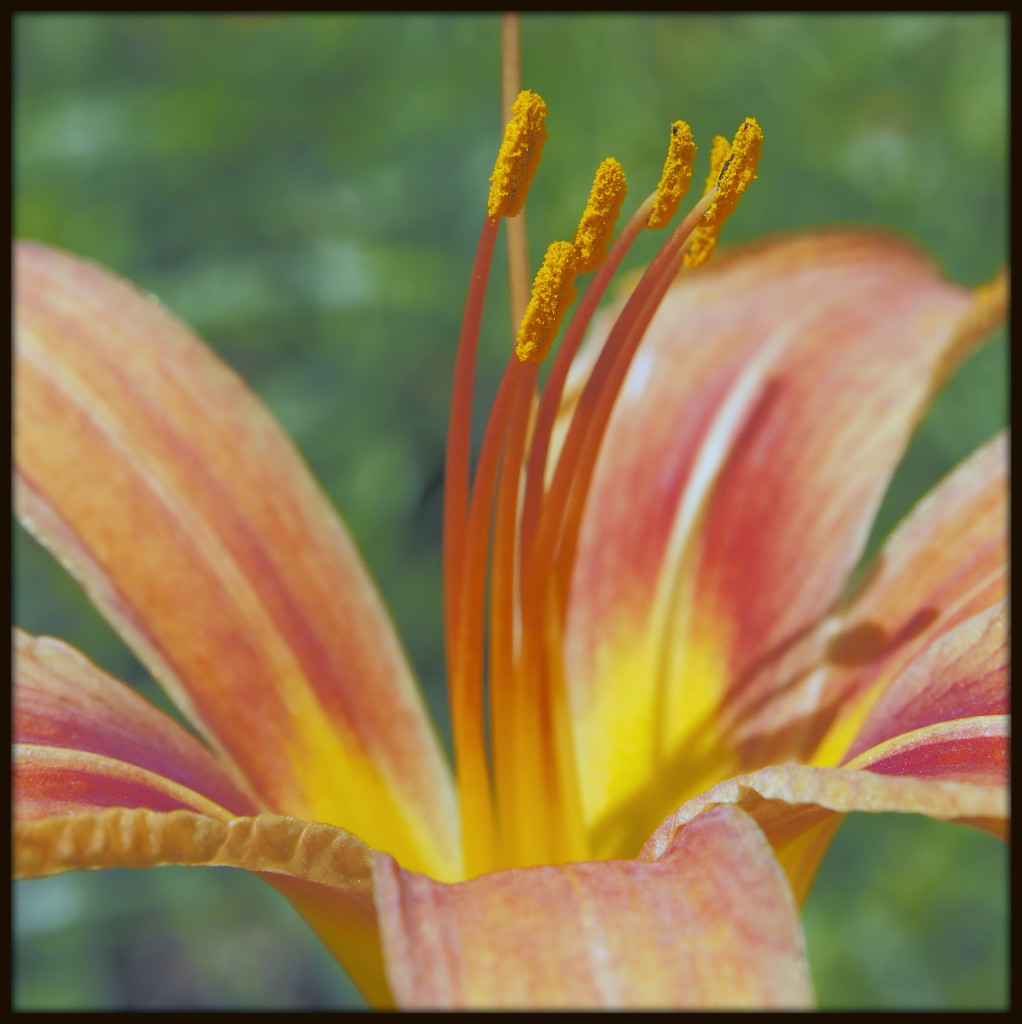
In addition to the all of the still-blooming daisy fleabanes (on their way out, at last), two other flowers are currently in bloom along Piney Woods Church Road: a lone daylily, and a small number of Carolina horsenettles.
I photographed this daylily plant just two days ago; however, today’s image is of a different bloom. Each one lasts for only a single day, as the name suggests. Since there was only one bloom, I again resisted the urge to pluck it. As I noted in my earlier post, the petals taste like sweet lettuce, adding a splash of orange to a salad.
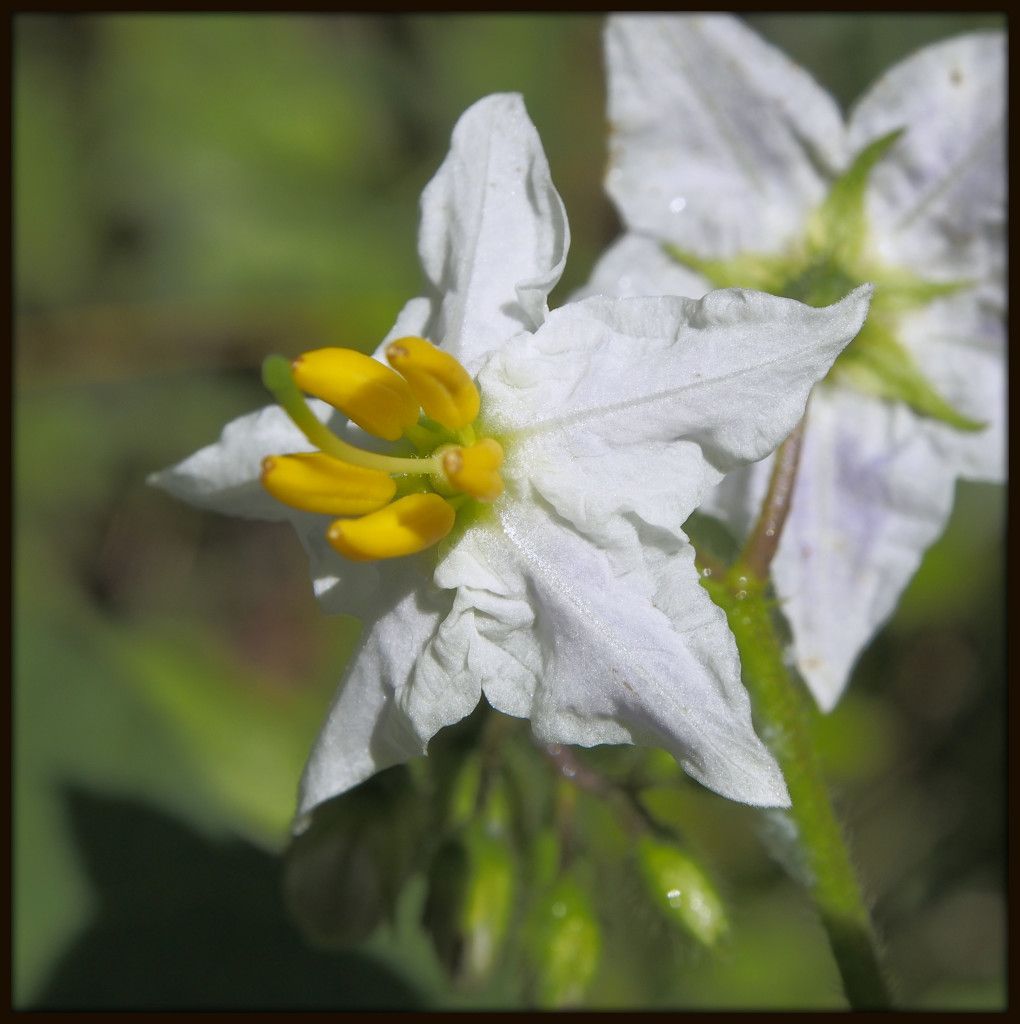
On the other end of the spectrum is the Carolina horsenettle (Solanum carolinense), also known as sand brier, radical weed, bull-nettle, tread-softly, apple of Sodom, and the devil’s tomato. As several of these names suggest, the Carolina horsenettle is not edible — in fact, it can be quite toxic, due to the presence of solanine. Ingesting any part of this thorny plant can make one quite ill; eating the tomato-like fruits can be fatal. Ironically, unlike the daylily, the Carolina horsenettle is native to the Southeastern United States, though it has now spread across the country.
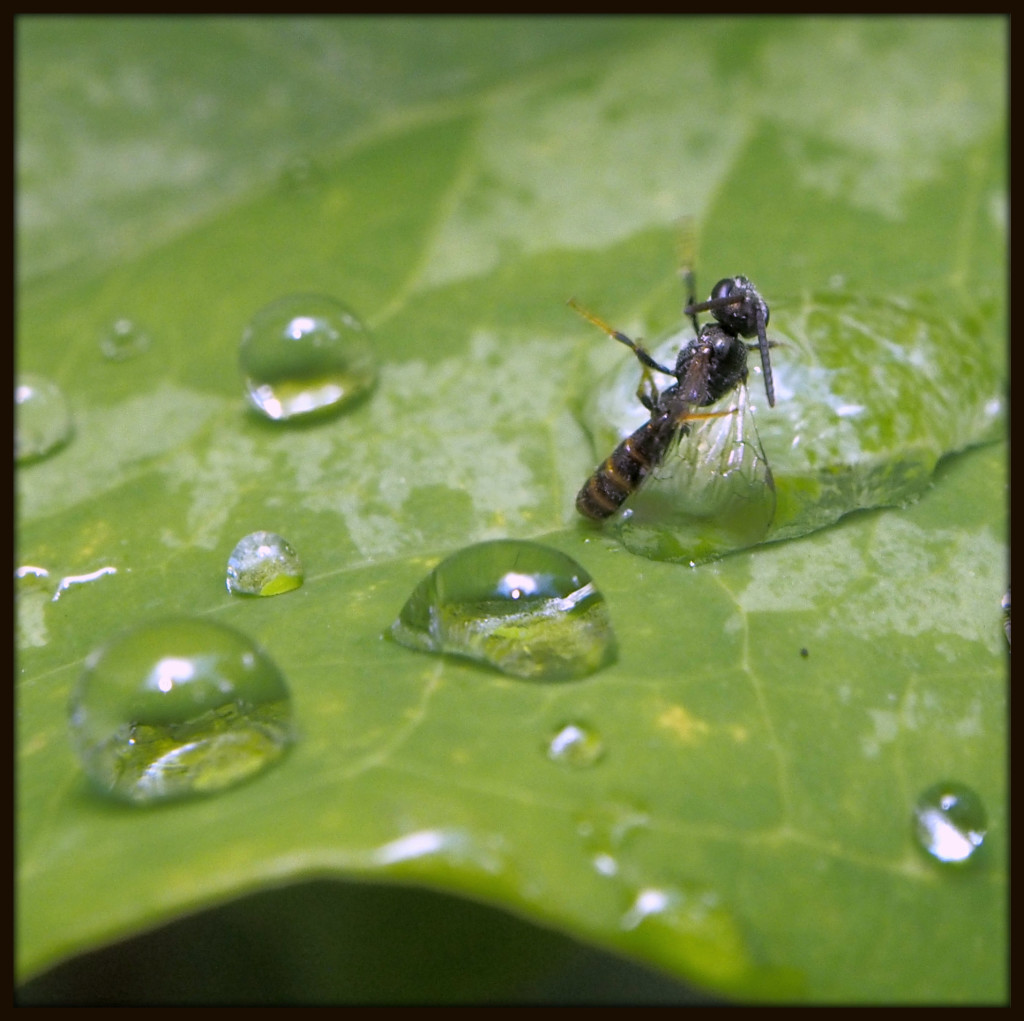
After rainstorms, I enjoy walking Piney Woods Church Road and photographing droplets of water, clinging like jewels to leaves and stems. But what I glimpse as a thing of beauty can become a deadly snare to a small insect. This morning, I glimpsed a small flying insect on a greenbrier leaf. It had accidentally stepped onto the edge of a large drop of water, breaking the surface tension. As a result, it was stuck as if to gloue, flailing about like a tragic figure in Shakespeare. I took several photographs if its valiant efforts to break free. Then, in an act of Deus ex machina, I intervened, offering a dead leaf as a lifeline, freeing the insect from its watery doom.
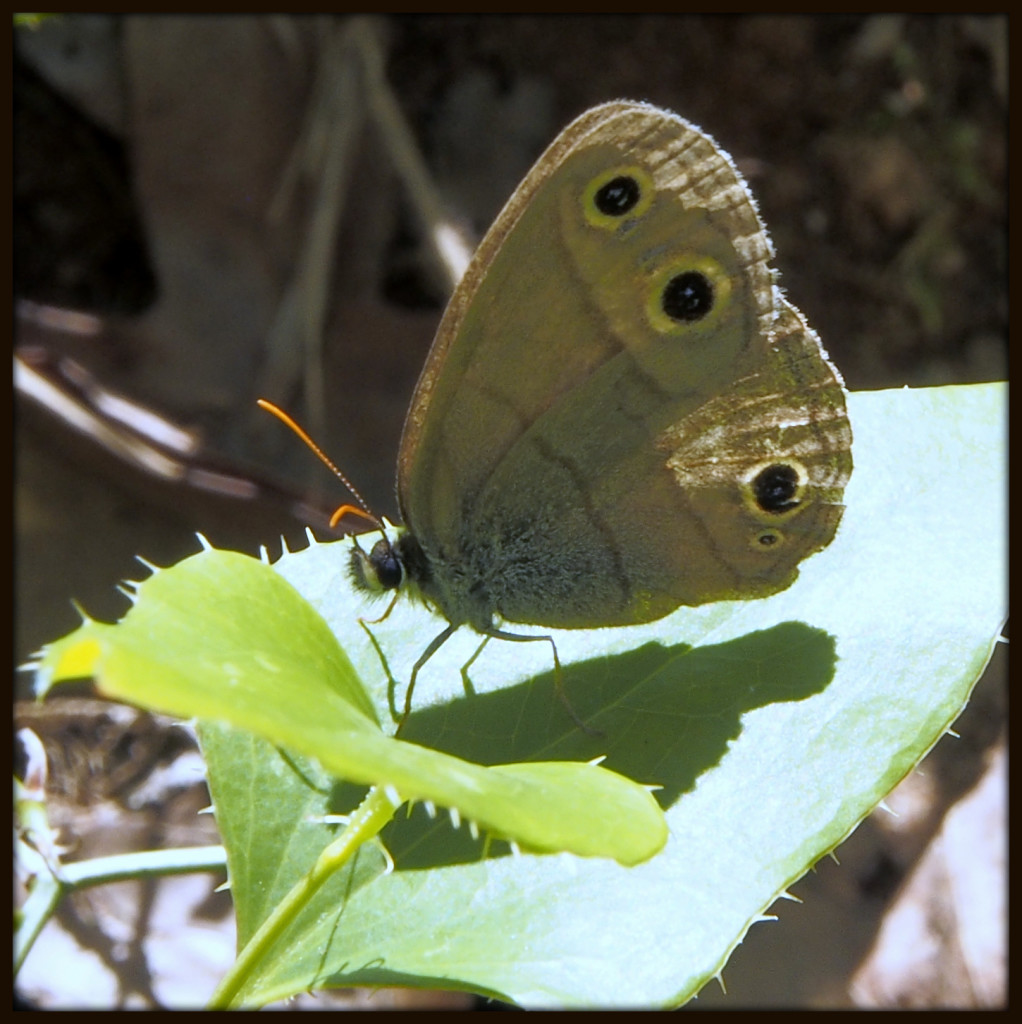
Here is a lovely butterfly, a Little Wood Satyr (Megisto cymela), which I glimpsed resting on a leaf along Piney Woods Church Road today.
Nature will bear the closest inspection; she invites us to lay our eye level with the smallest leaf, and take an insect view of its plain. She has no interstices; every part is full of life.
— H.D. Thoreau, “A Natural History of Massachusetts”
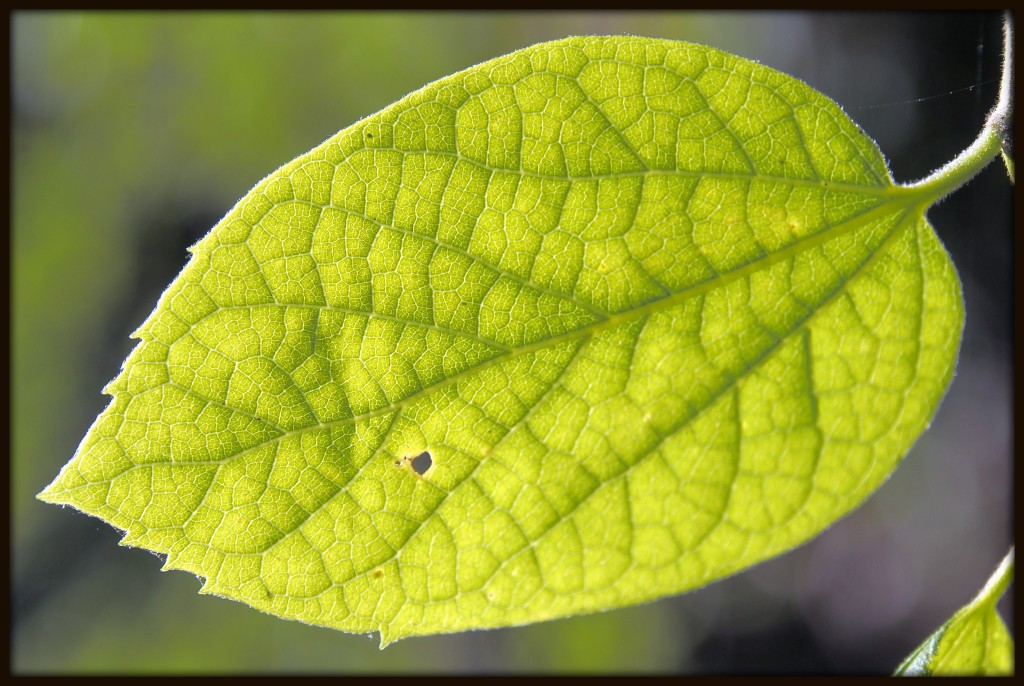
Below: Leaf of an unidentified shrub, illumined by the afternoon sunlight, 10 June 2014.
At the still point of the turning world. Neither flesh nor fleshless;
Neither from nor towards; at the still point, there the dance is,
But neither arrest nor movement. And do not call it fixity,
Where past and future are gathered. Neither movement from nor towards,
Neither ascent nor decline. Except for the point, the still point,
There would be no dance, and there is only the dance.
— T.S. Eliot, “Burnt Norton” from The Four Quartets
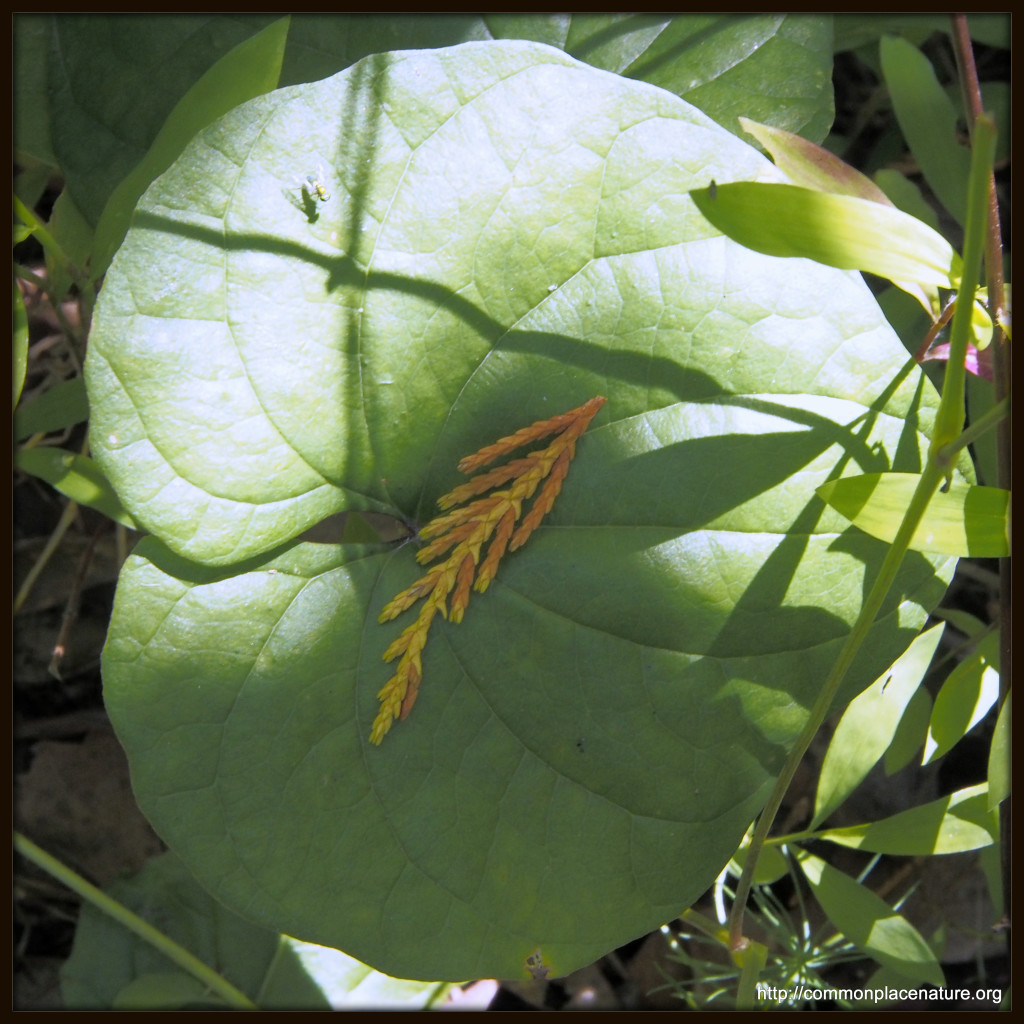
Below: A fallen bit of red cedar lies on a leaf of air potato, Piney Woods Church Road, 10 June 2014.
The Road goes ever on and on
Down from the door where it began.
Now far ahead the Road has gone,
And I must follow, if I can,
Pursuing it with eager feet,
Until it joins some larger way
Where many paths and errands meet.
And whither then? I cannot say.
— J.R.R. Tolkien, The Lord of the Rings
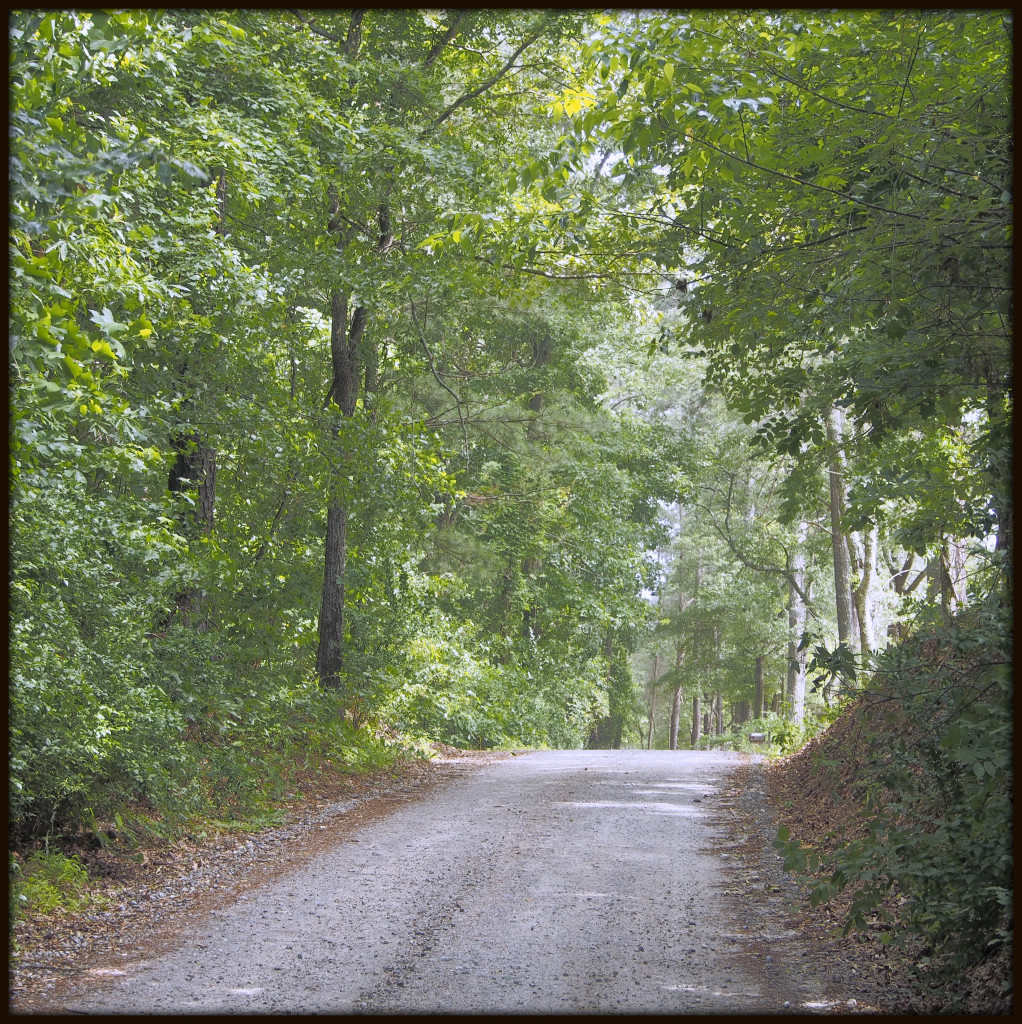
Below: Piney Woods Church Road illumined during a sunshower, 10 June 2014.
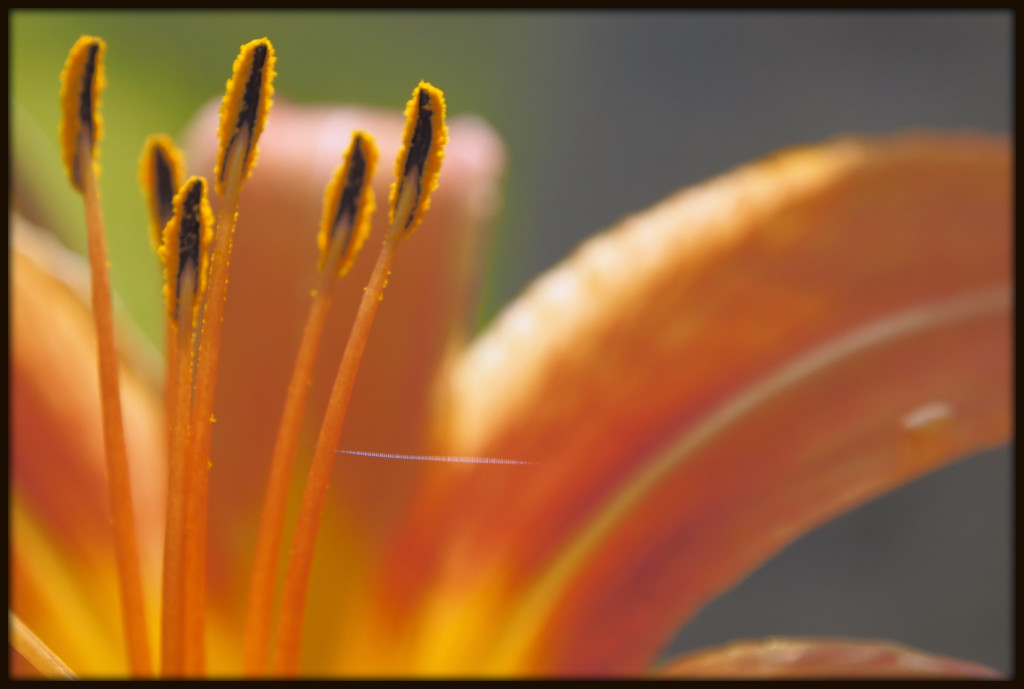
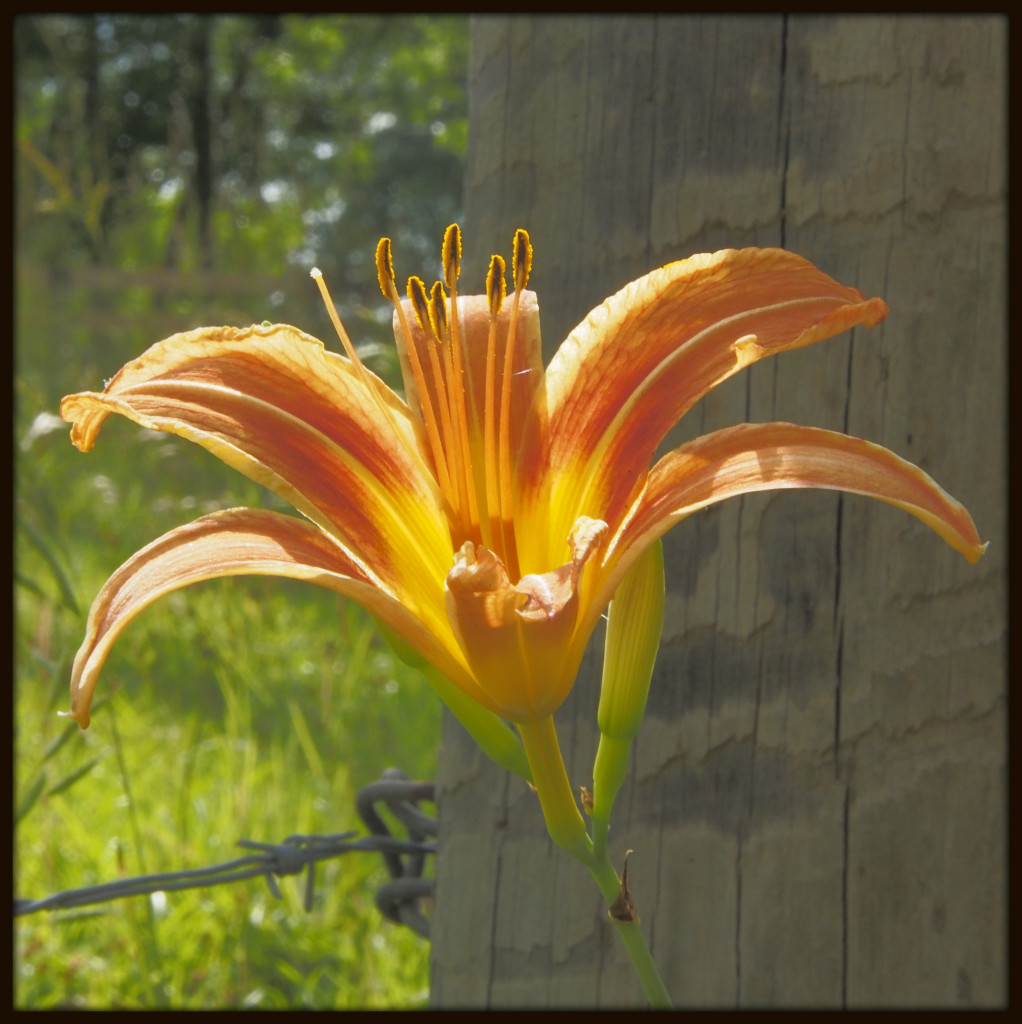
After several weeks of practically no flowers apart from the ubiquitous daisy fleabane (and a few out-of-season wisteria blossoms), imagine my delight to encounter a lone daylily (Hemerocallis sp.) blossom in brilliant orange, growing beside a cattle pasture fence post. Originally native to Asia, daylilies have been widely cultivated throughout the United States; the escaped cultivars are a common sight along many roadsides this time of year. The flower head is edible, tasting like slightly sweet lettuce, adding a splash of color to a salad. Since there was only one blossom, though, I contented myself with taking a few photos, leaving it for the admiration of future passersby.


It was a lovely, somewhat steamy late-spring afternoon, and the bees were busily at work along Piney Woods Church Road, dashing from clover to clover. I watched one highly enthusiastic bumblebee darting from one flower head to the next, with each new landing causing the blossom to flop over onto the ground. I suppose, given the clover’s need to get pollinated, it was worth the weight.