I photographed this curving and re-curving muscadine grape tendril along the roadside earlier today.

I photographed this curving and re-curving muscadine grape tendril along the roadside earlier today.
On my Sunday morning walk along Piney Woods Church Road, I kept noticing evidence of sweetgum (Liquidambar styraciflua). Perhaps that was partly because it is so abundant. Along with loblolly pines, sweetgums are the dominant trees in the the second, third, and fourth growth woodlands and woodlots of the Georgia Piedmont. Not only do they grow everywhere from seed, but they also sprout from the roots of other trees, making lines of tiny saplings in my lawn. Meanwhile, the deer that browse most undergrowth to brown nubs ignore the sweetgums altogether.
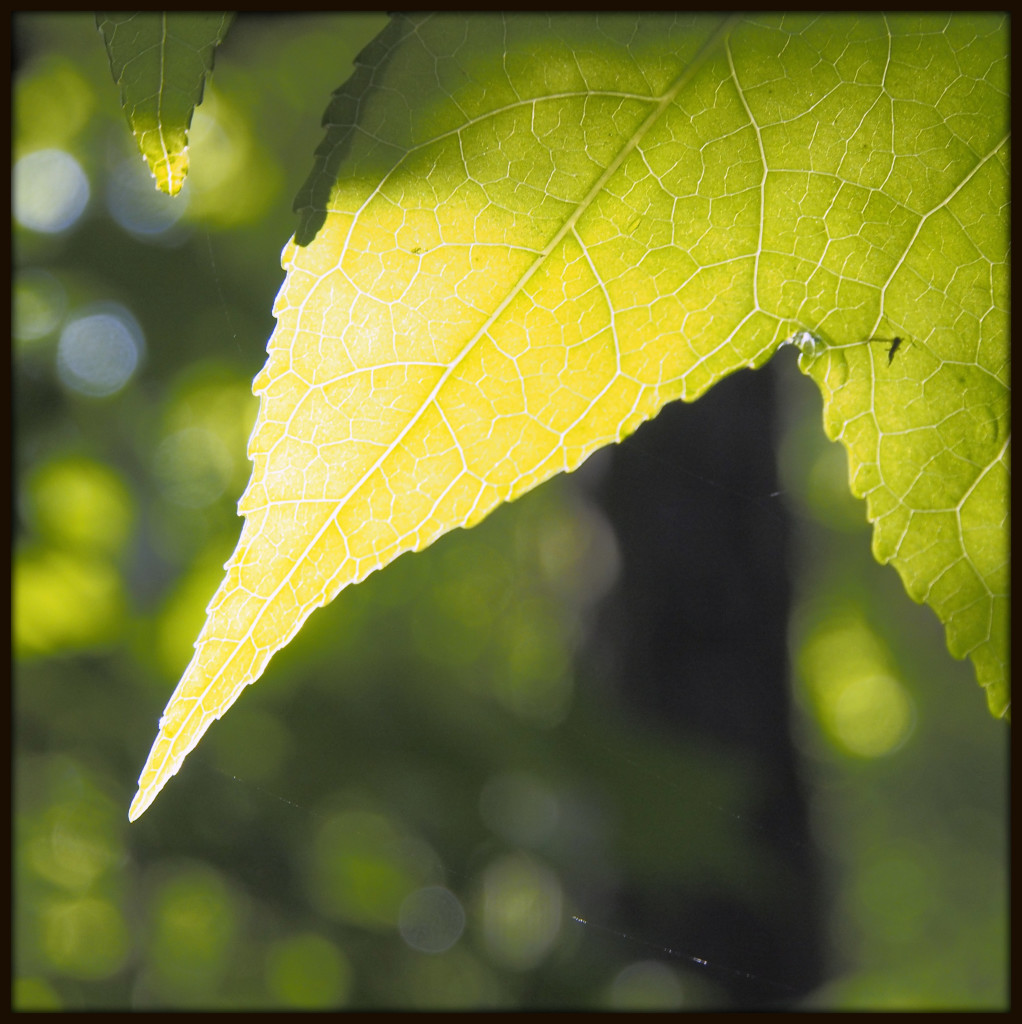
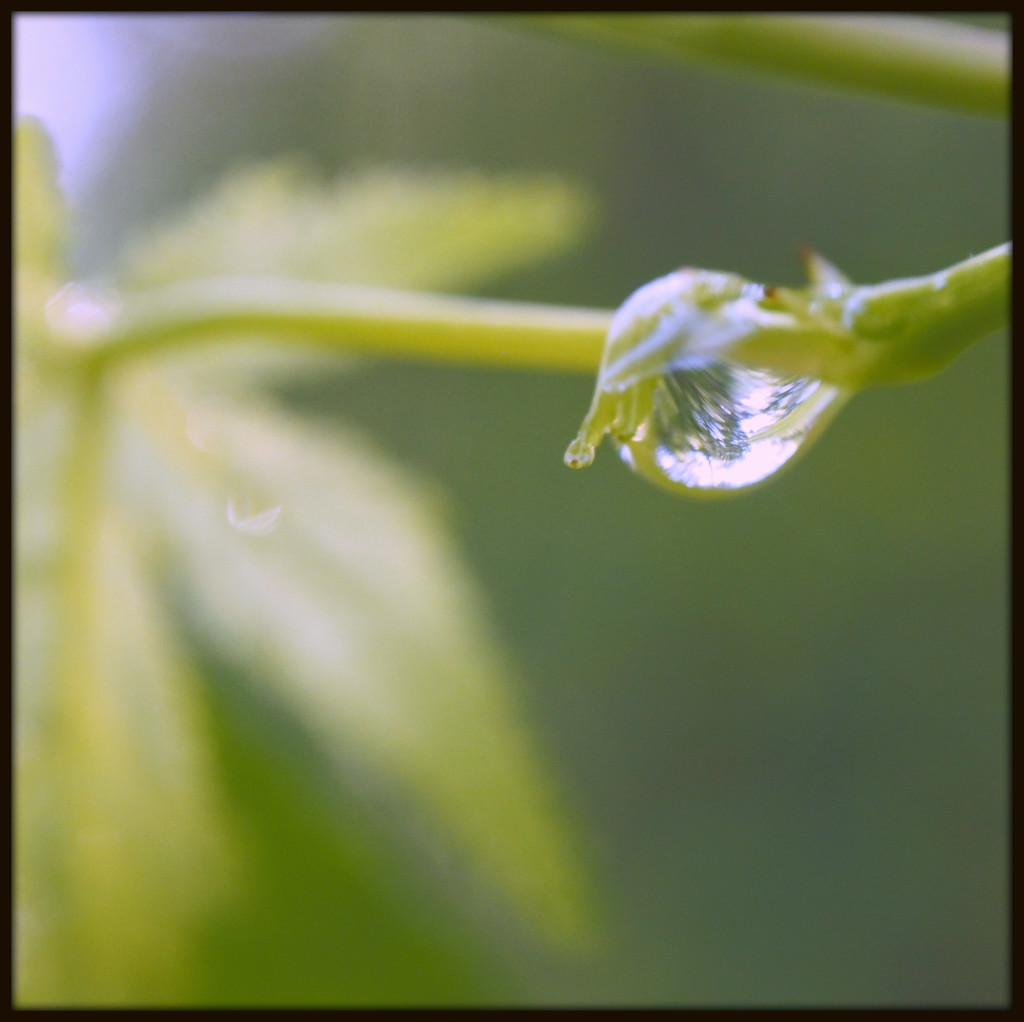
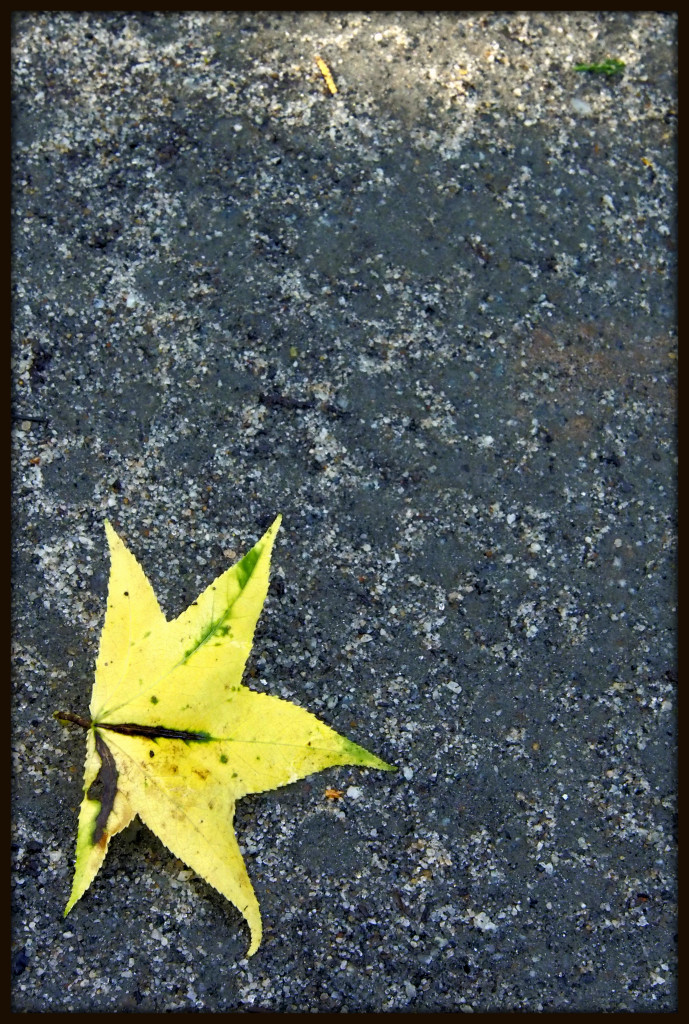
And they can be beautiful — particularly their five-pointed, star-shaped leaves. Here are three photographs from my walk, fragments of an ongoing conversation between myself and the Piney Woods Church Road landscape.
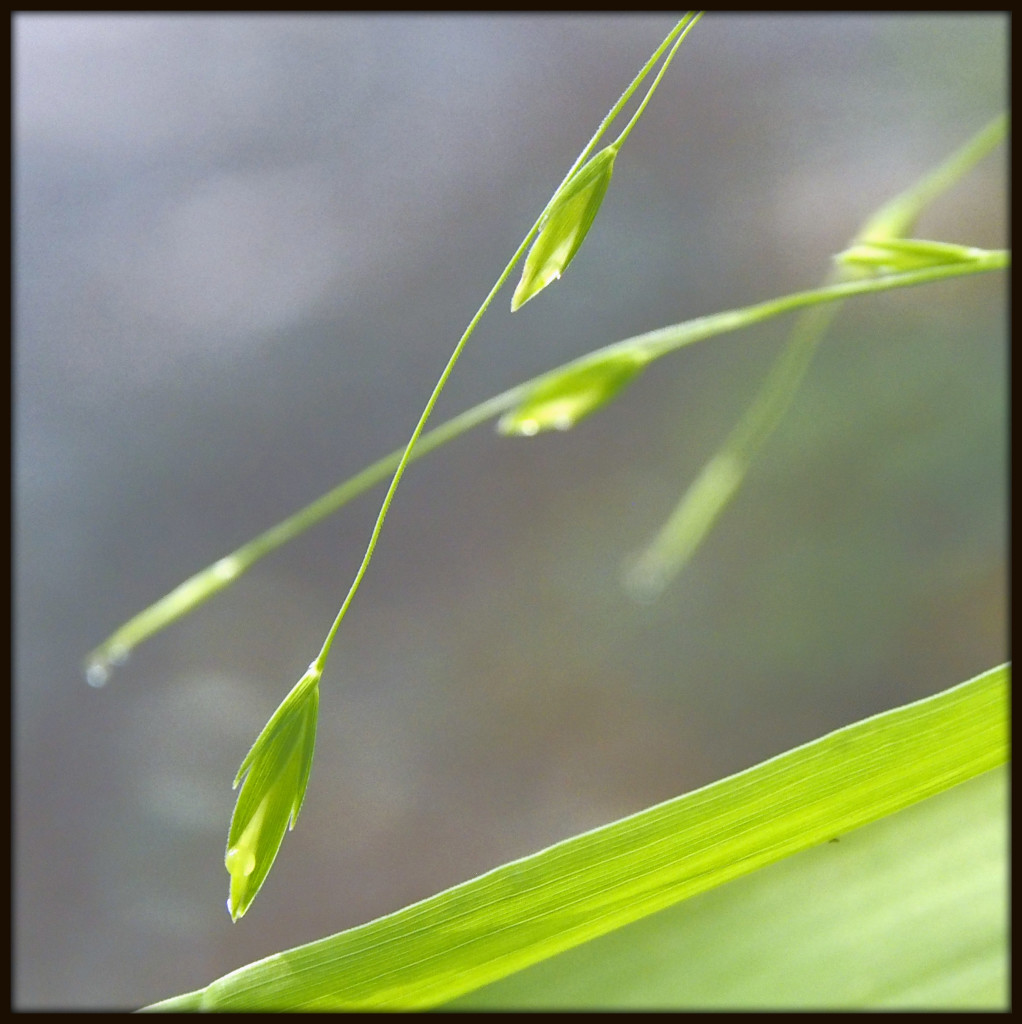
The wood oats (Chasmanthium latifolium) whose tawny dry stalks I had photographed in January have re-emerged from the ground with broad green blades and seeds just beginning to develop. Along a roadside rich in European “weeds”, wood oats are native to the Southeast, produce edible seeds, and have even been cultivated as a grain.
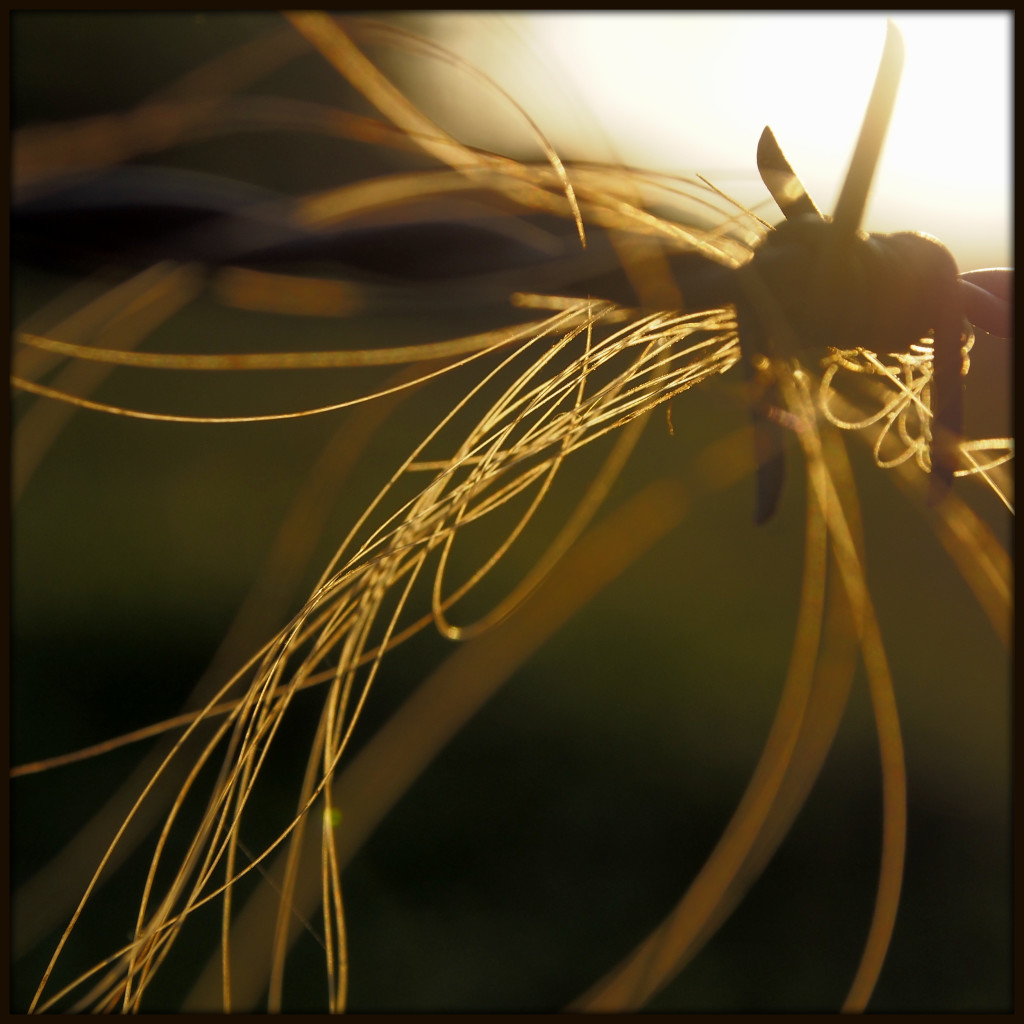
Animal hairs on a barbed-wire fence glow in the evening light along Piney Woods Church Road.
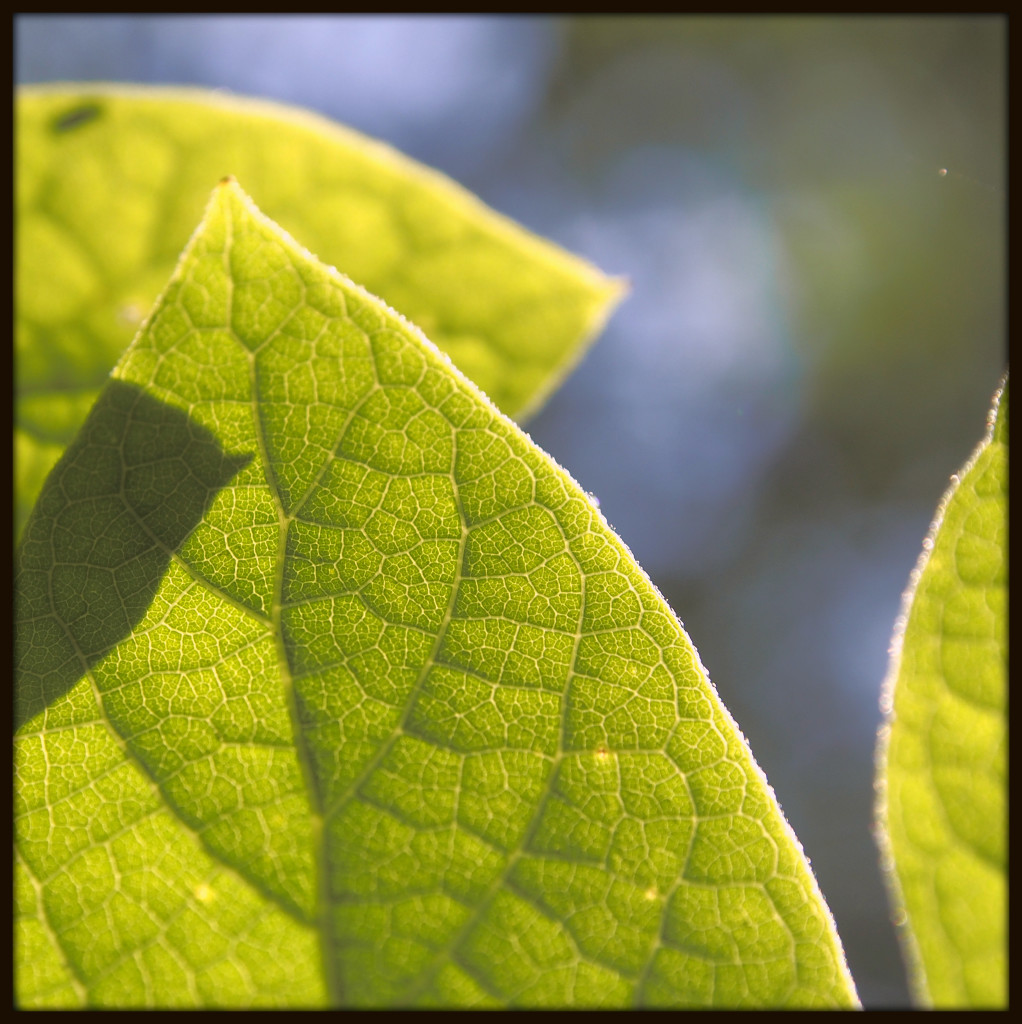
A lone blackberry leaf catches the late afternoon light. I am entranced.

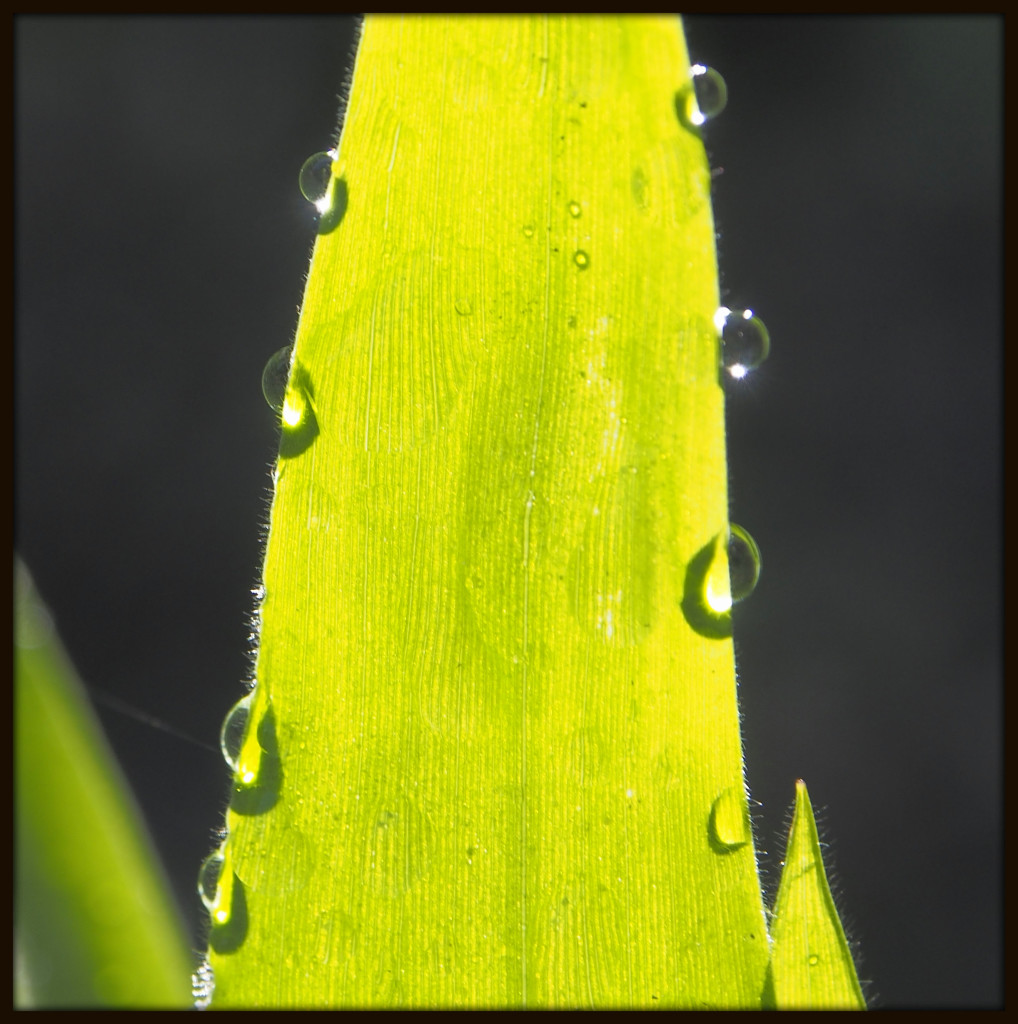
Earlier today, I walked Piney Woods Church Road in search of reminders of last night’s rain. I did not have to look far. Tiny droplets of water cling to the edges of this plantain leaf, illumined by the mid-morning sun.
On a sunny late-spring morning after a rain, I pause to celebrate the simple forms and colors of leaves and sky.
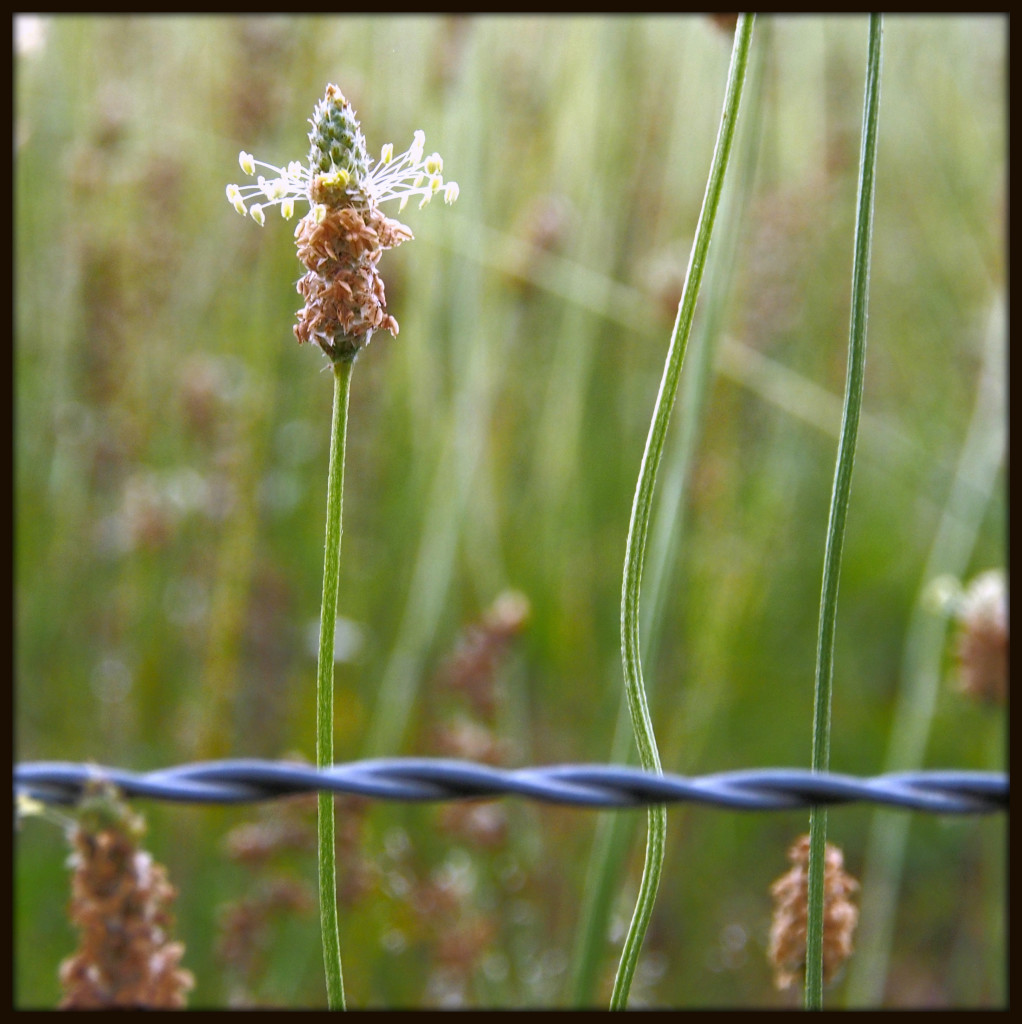
On a cloudy early morning in late spring, a few English Plantain flowers bloom in a Piney Woods Church Road pasture.
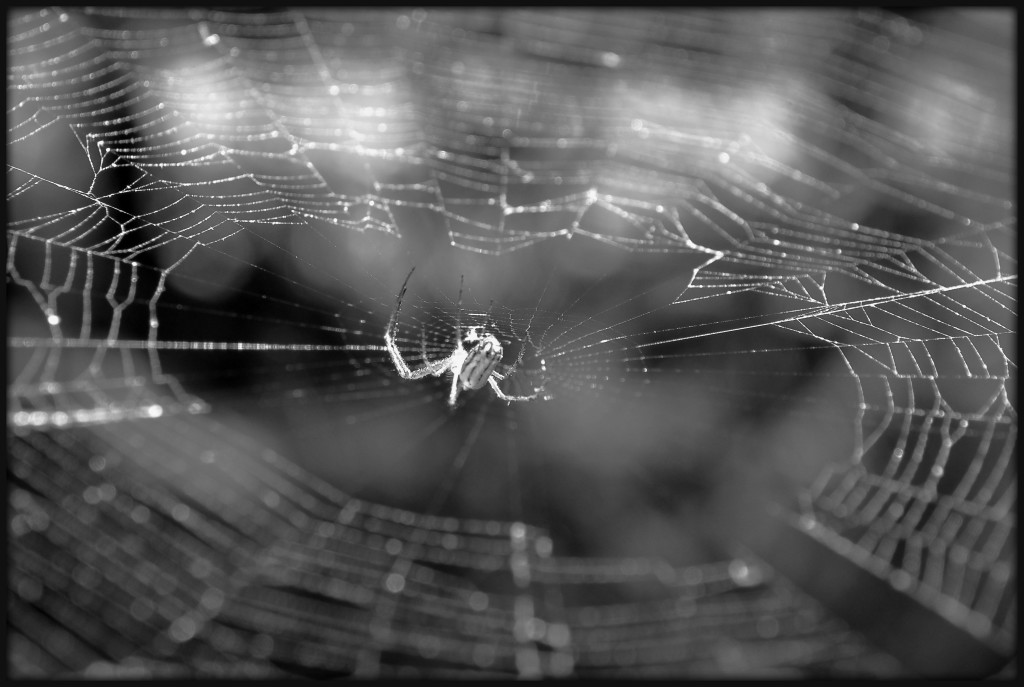
We have now gone a couple of weeks without measurable rainfall, and folks are beginning to get uneasy. Are we headed into another drought? Meanwhile, dust covers everything along Piney Woods Church Road — dust that settles in clouds in the wake of each passing car or truck. There is a sugary coating on the leaves of the roadside shrubs and saplings. There is no water left anywhere — ditches, ruts, and potholes have long been dry. For a photographer in a hurry, the road offers few opportunities. Given only fifteen minutes — my situation today — I had only two viable choices: daisies or spiders. The daisy fleabane continues to bloom, propelled to continue by a sort of biological inertia, when most all other roadside weeds and trees are spent — at least, until the next rains come. Pollinating bees and flies flock to the daisies, and some likely fall victim to the orchard orbweaver spiders that have set up shop at numerous locations along the roadway. Their webs are elegant, among the finest instances of nature’s geometry. For today, I settled for another spider image, this time a photograph depicting the spider as a sort of Master Controller at the center of its web, working the machinery of its own predatory impulses. Tomorrow? Maybe daisies again. Or perhaps a sunset, red sky intensified by dust in the atmosphere. If only it would rain….
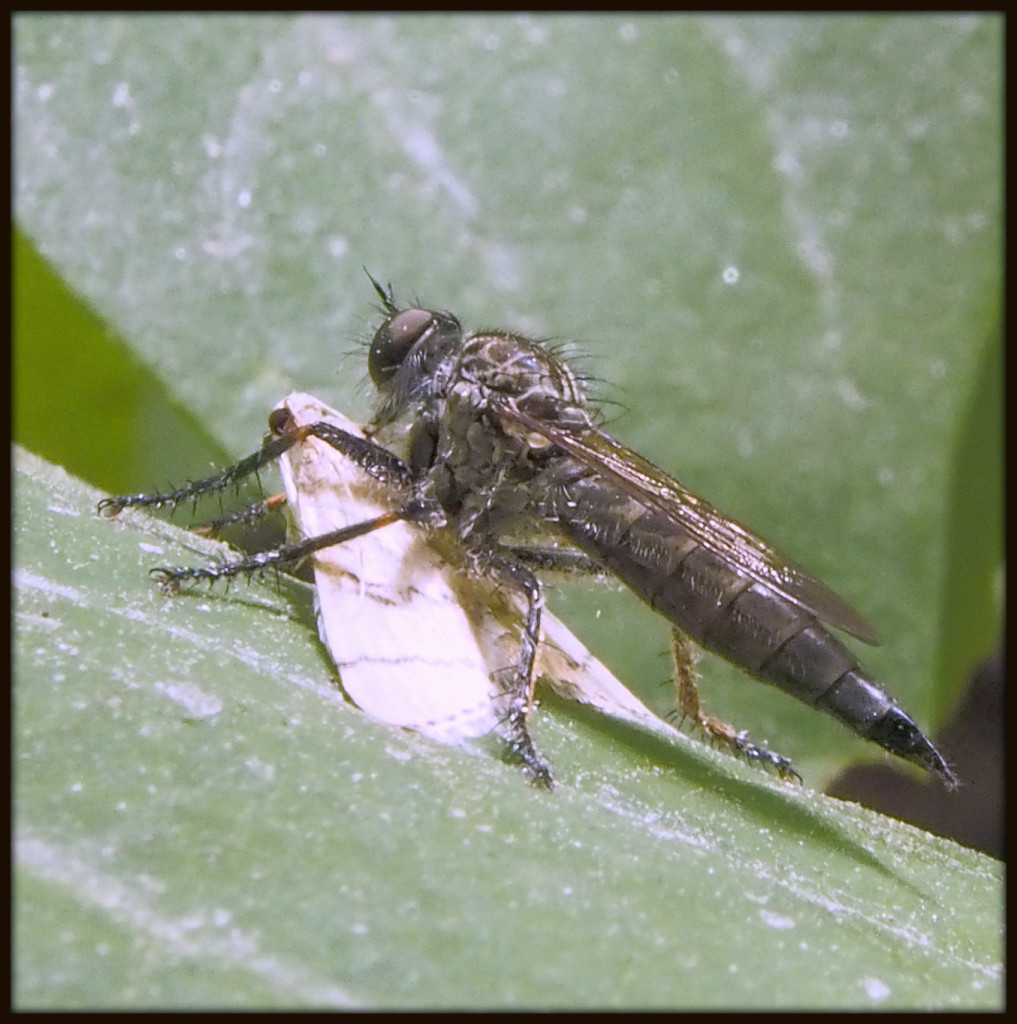
My leg having improved considerably since yesterday, today I was able to park near the Rico Rd. intersection and hobble my way up Piney Woods Church Road about a third of the distance and back again. I passed some minute yellow flowers, perhaps an eighth of an inch across, and took a few photographs. But the find of the day was definitely this robber fly or assassin fly, in the family Asilidae (very possibly Promachus fitchii), feasting on a small moth. Robber flies are aggressive predators that pierce their prey with a proboscis, delivering a blend of neurotoxic and digestive enzymes that paralyze their victims and dissolve tissues and internal organs, which they then ingest as if through a straw.