Today’s photograph features the bloom of a daisy fleabane (Erigeron annuus). The other blossoms, not yet open, seem to form the spokes of a wheel, inspiring the title of today’s post.
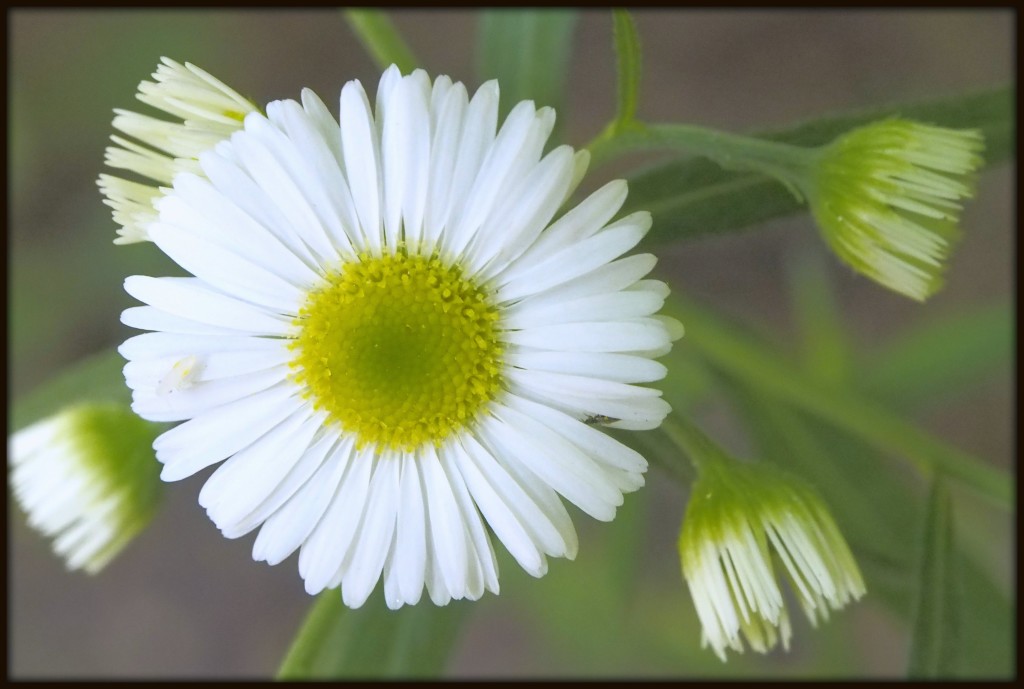
Today’s photograph features the bloom of a daisy fleabane (Erigeron annuus). The other blossoms, not yet open, seem to form the spokes of a wheel, inspiring the title of today’s post.
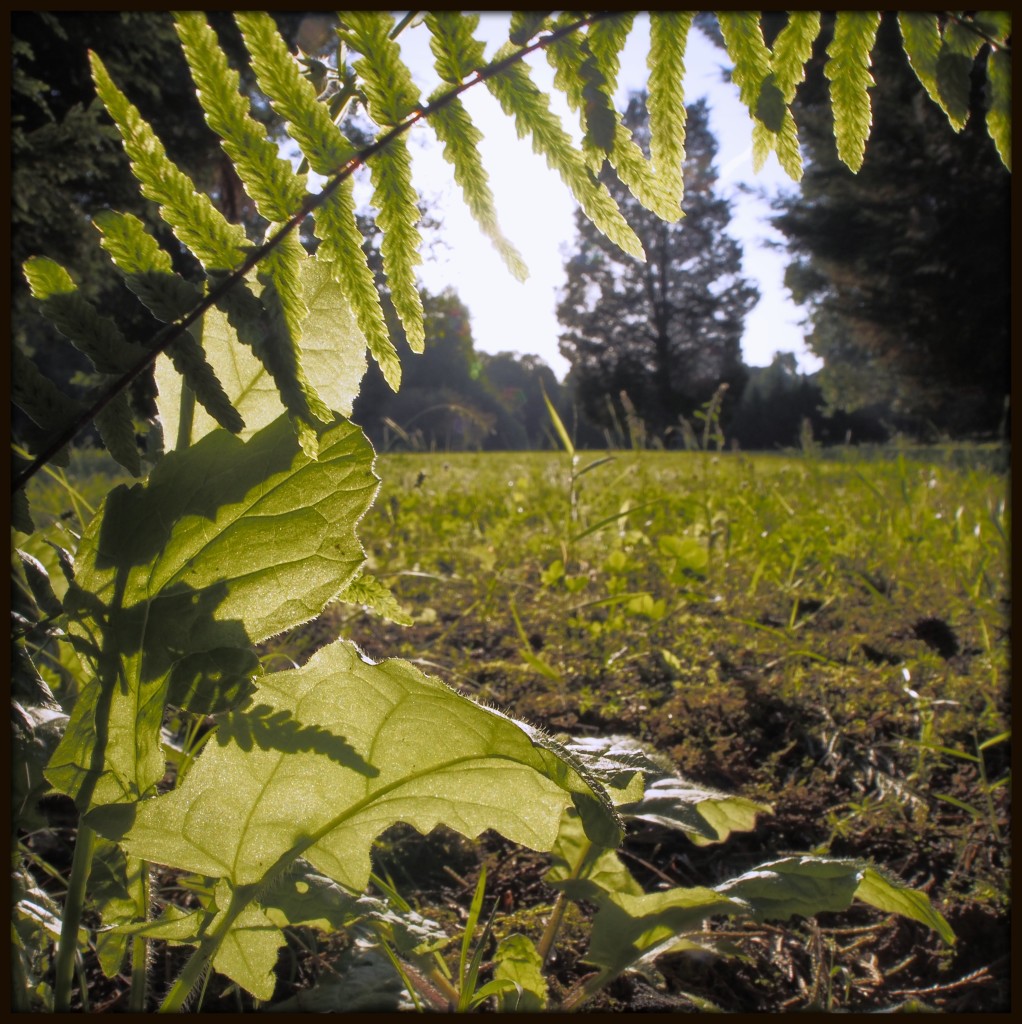
Within an hour of sunset, I took these photographs along Piney Woods Church Road, near its intersection with Rico Road. The fern present in every photograph is an ebony spleenwort (Asplenium platyneuron).

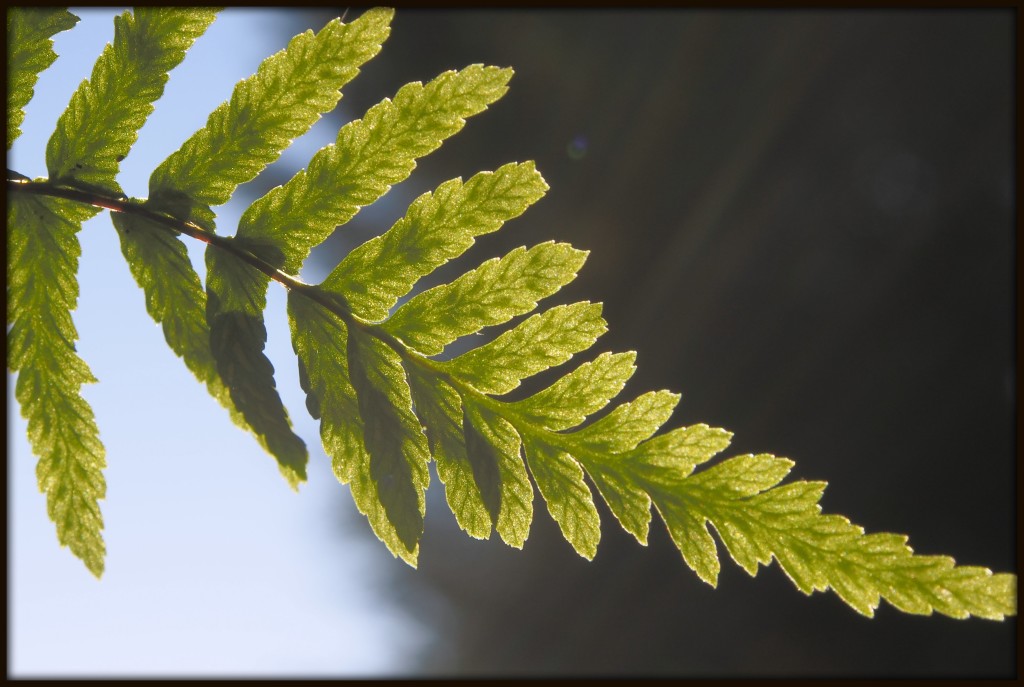
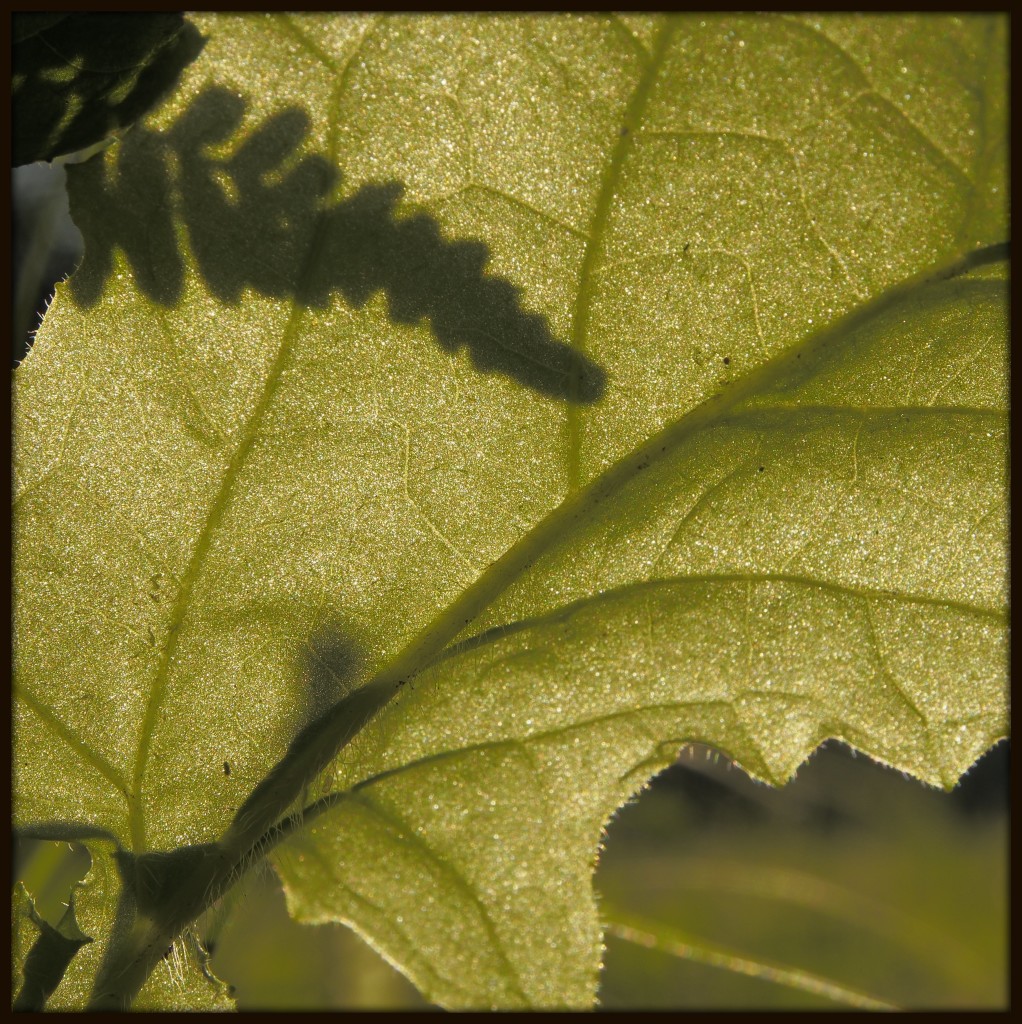
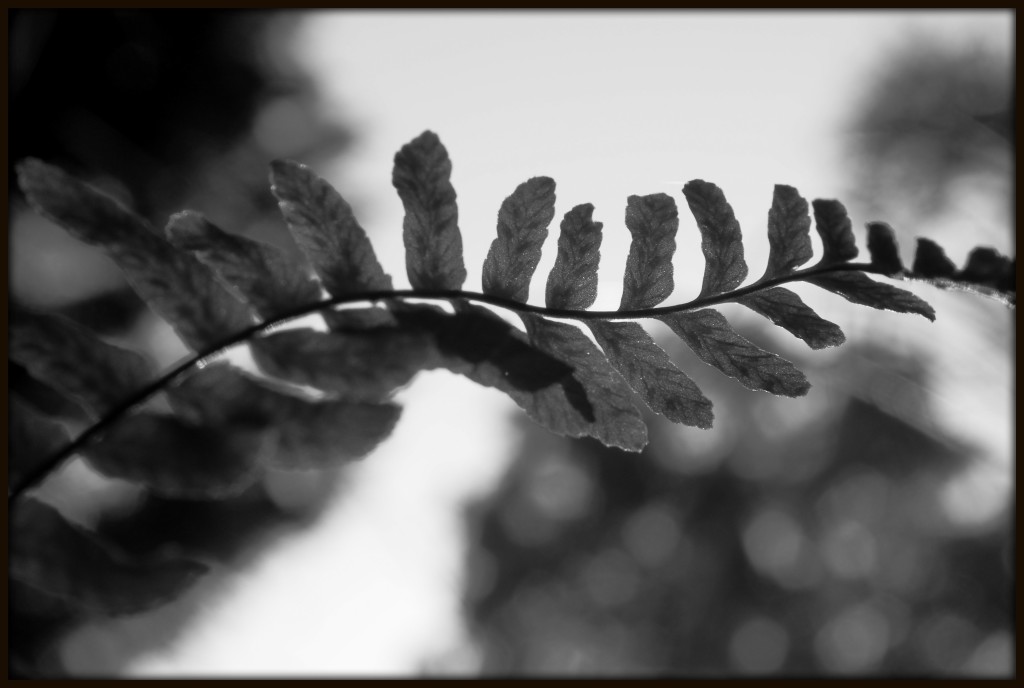

In this photograph from my evening walk along Piney Woods Church Road, an unidentified brown beetle pauses at the edge of a leaf.
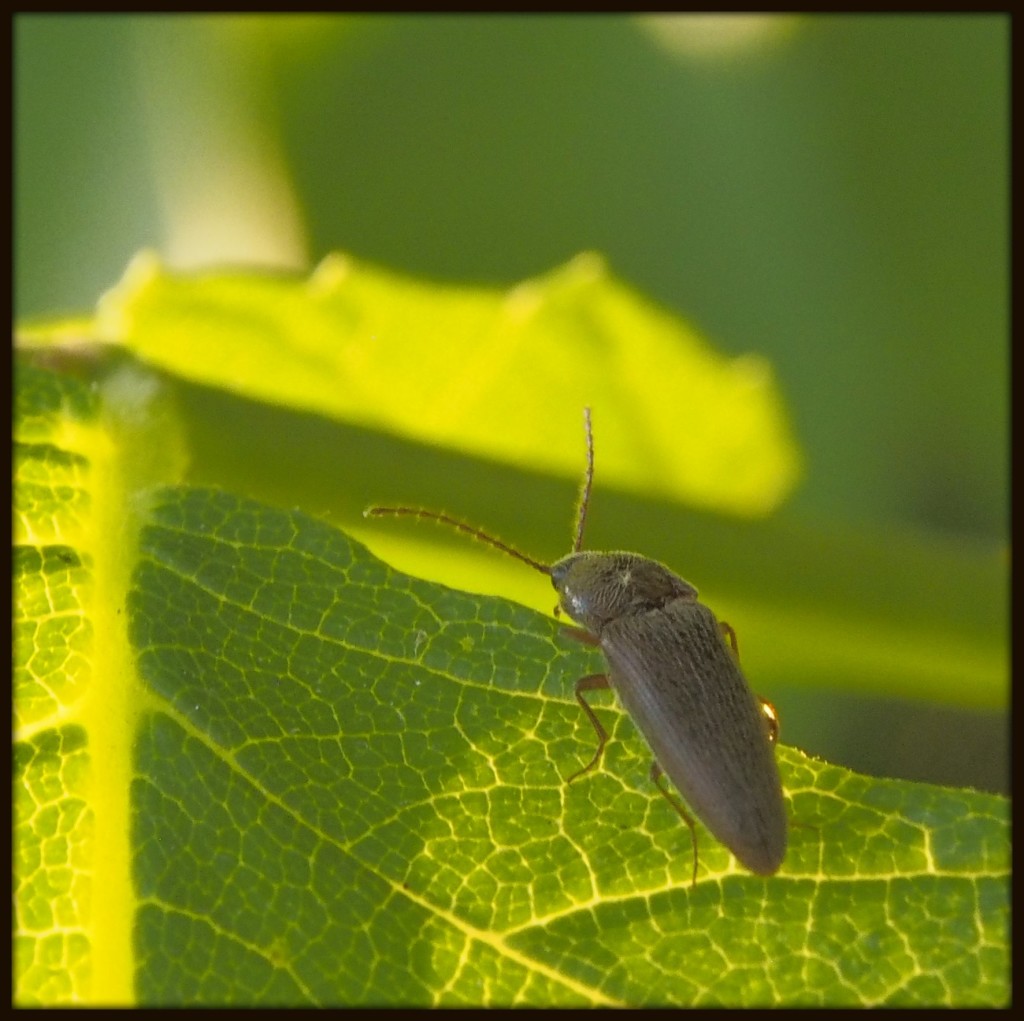
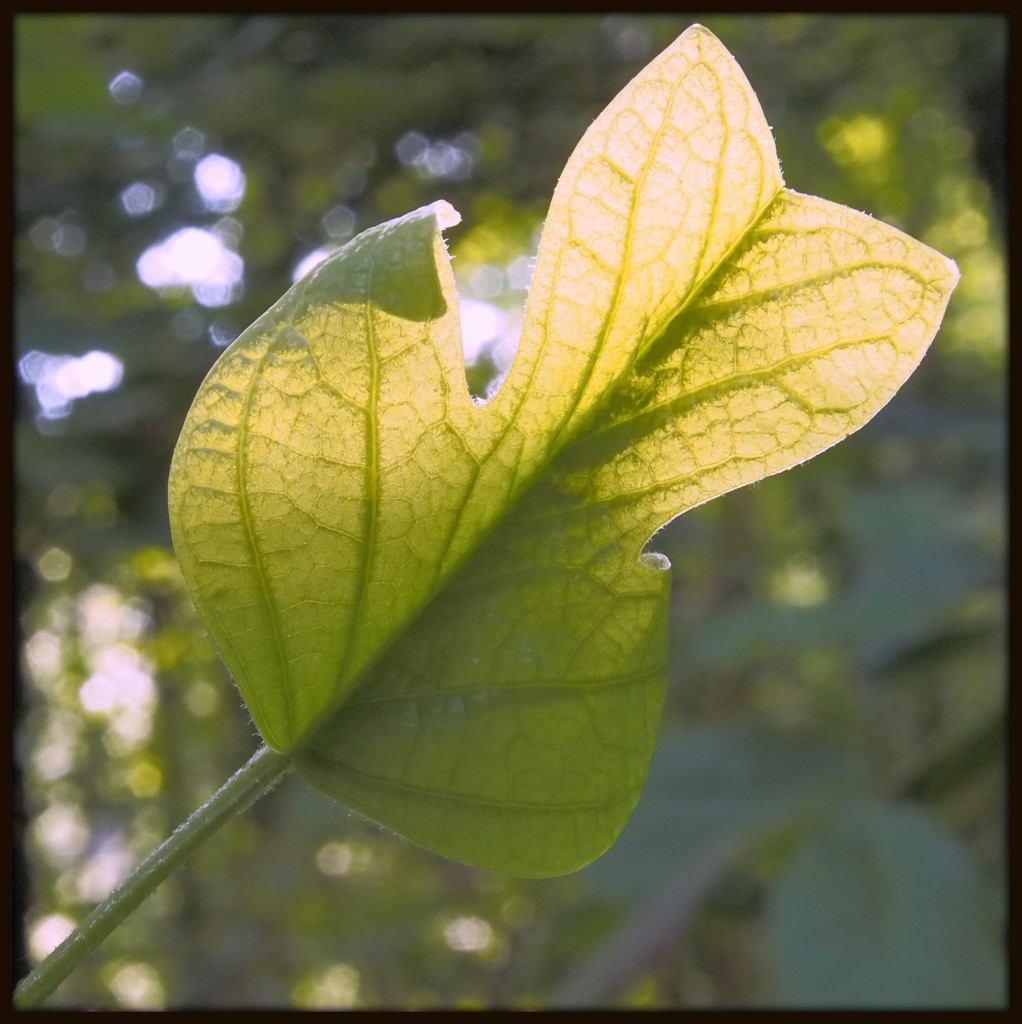
This morning I set out down Piney Woods Church Road as usual, in search of an image for Day 140. I knew it would be practically impossible to match yesterday’s photographs of a pair of mating silkmoths. I settled, instead, for yet another tulip poplar leaf, illumined by the mid-morning sun. There is so much beauty in even the most commonplace expressions of nature.
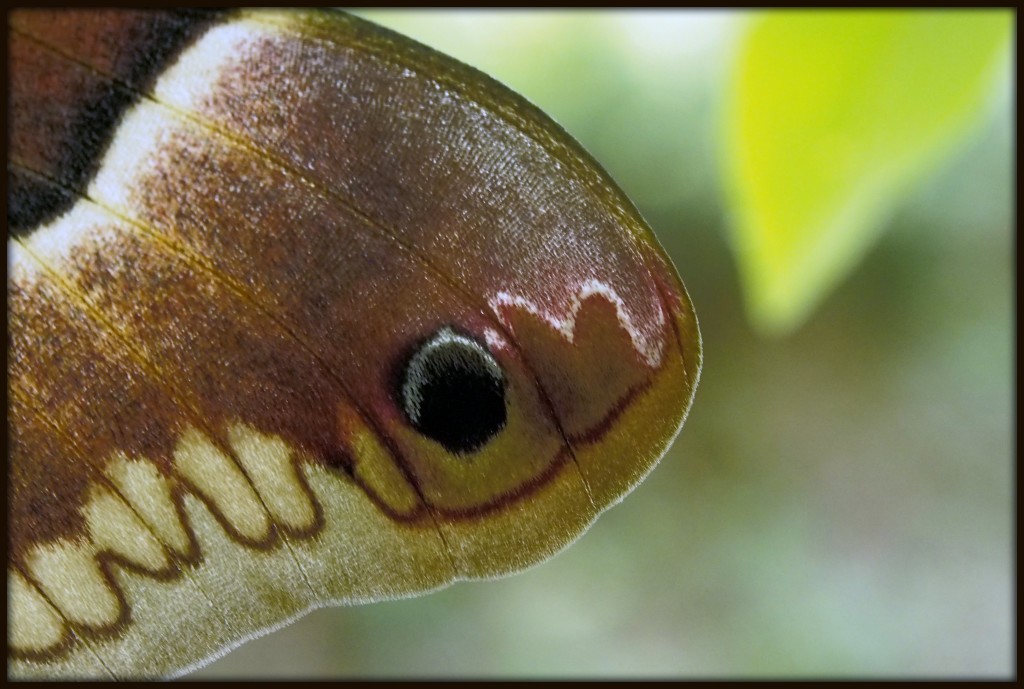
On my Piney Woods Church Road walk today, as I mentioned in an earlier post, I discovered that a Saturniid moth cocoon that I had been watching for ages (and photographed earlier this year) had opened, and a lovely female tulip-tree silkmoth (Callosamia angulifera) was resting beside it, occasionally fanning her wings. Of course, I had forgotten to put my memory card back into the camera, so I raced home, added the memory card, and drove back in time to take these photographs.
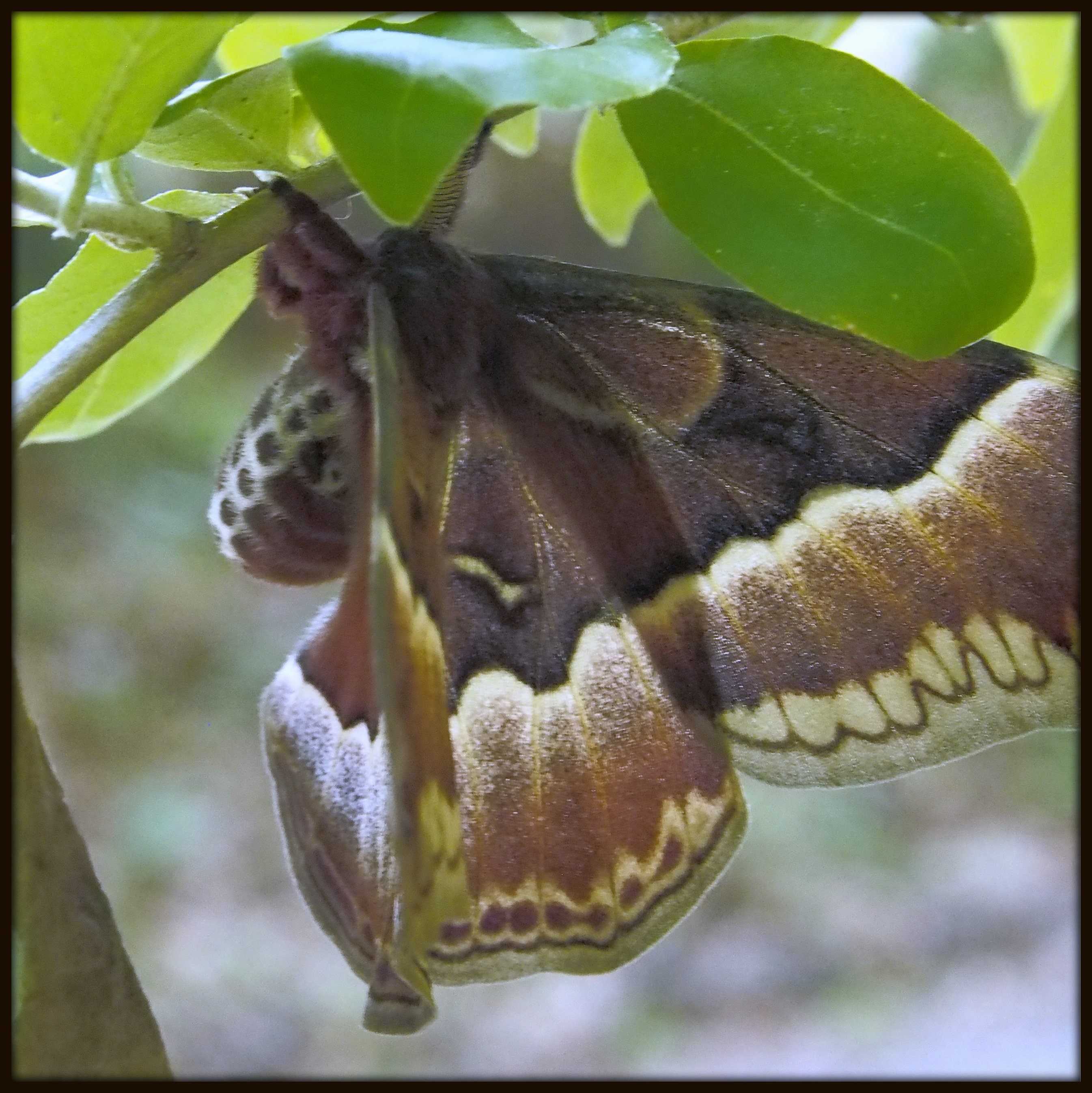
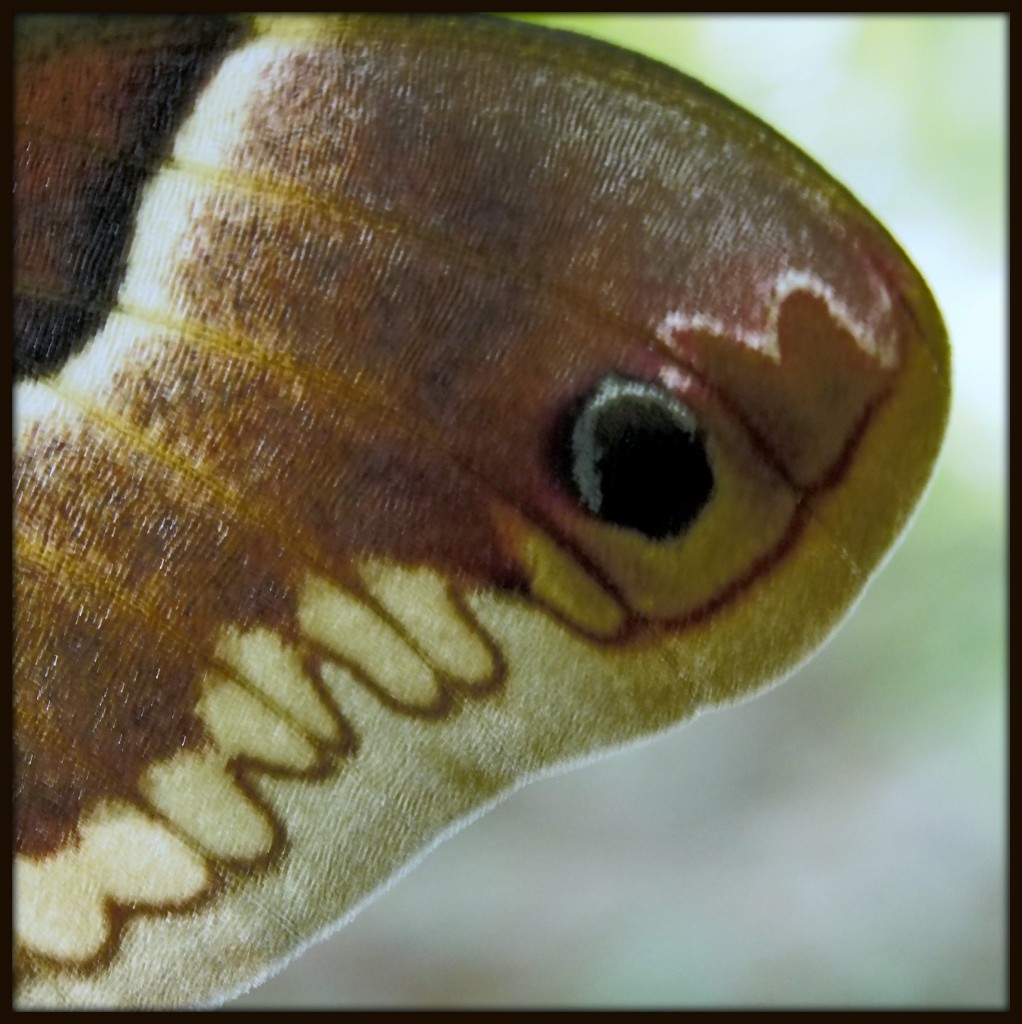
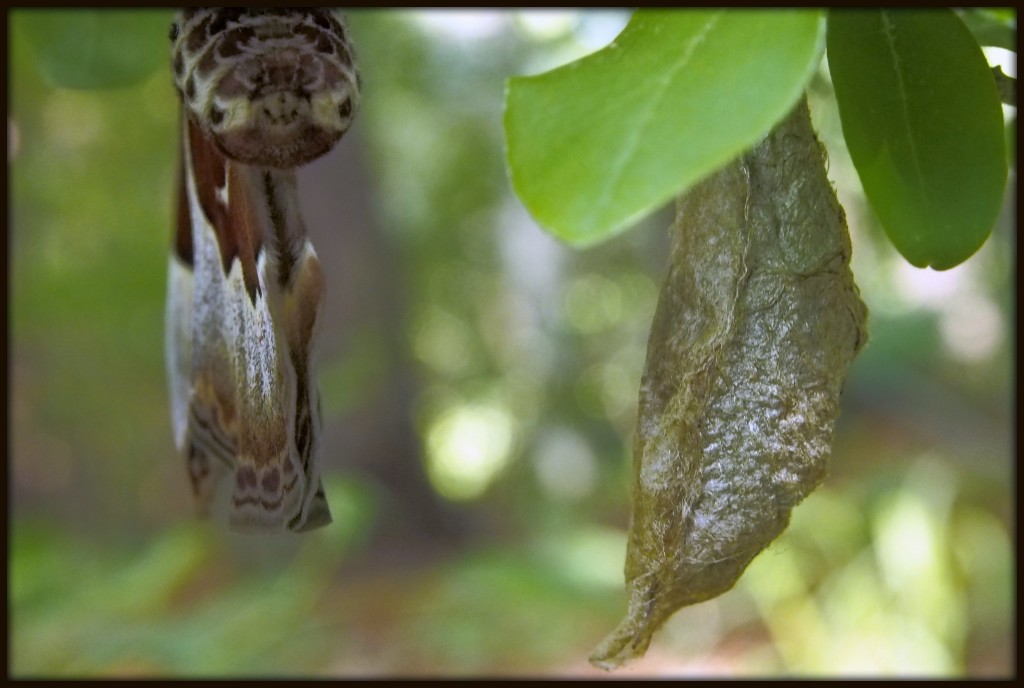
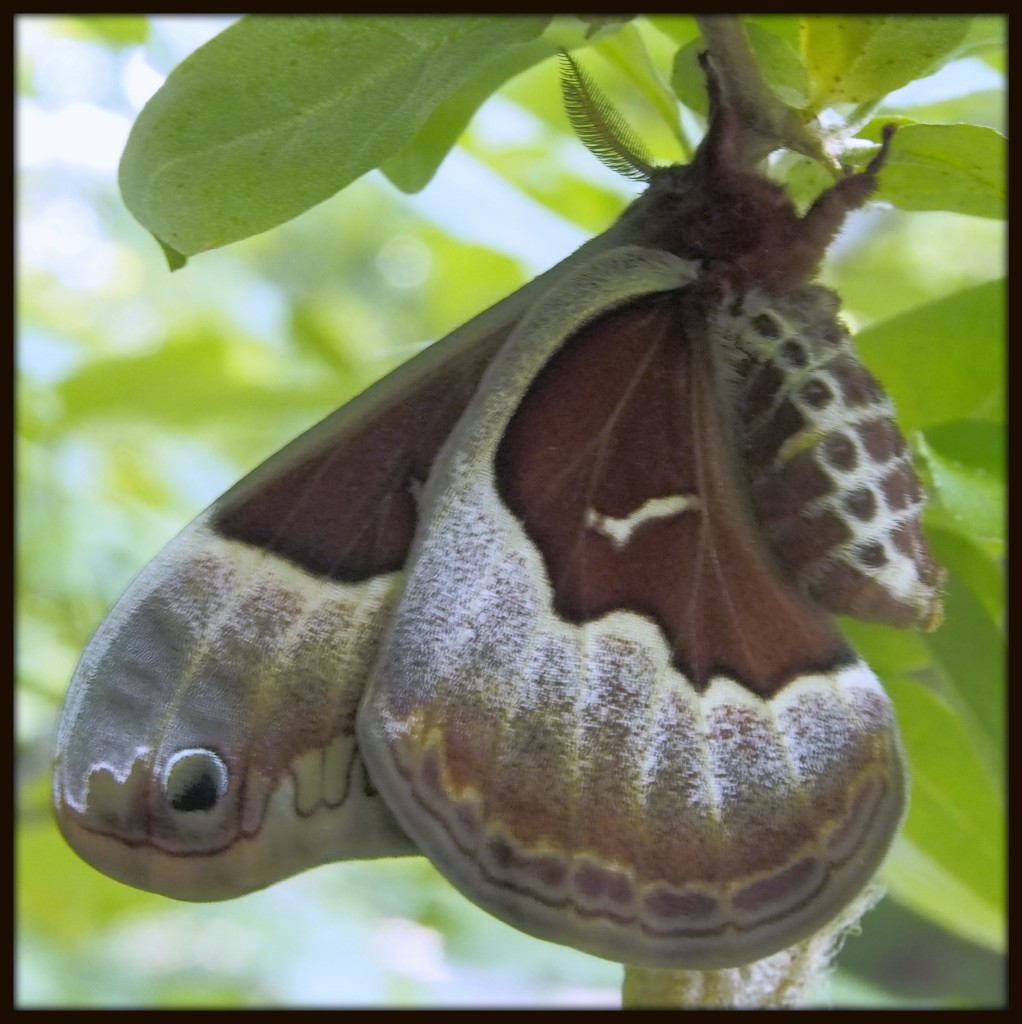
The day’s wonders were not over yet, though. I returned home, did a few chores, and left with my wife and our four dogs on our evening walk. I was excited to share my discovery with Valerie. But instead of just one moth, I found two moths mating! While she was resting there, the female tulip-tree silkmoth most likely released a pheromone to attract male moths in the area. The result are these photographs below. I had never witnessed moths mating before this. After mating, the male will die, and the female will fly off to lay her eggs on an inviting food source, such as the leaves of a tulip poplar tree (though black cherry and sassafras will work fine, too).
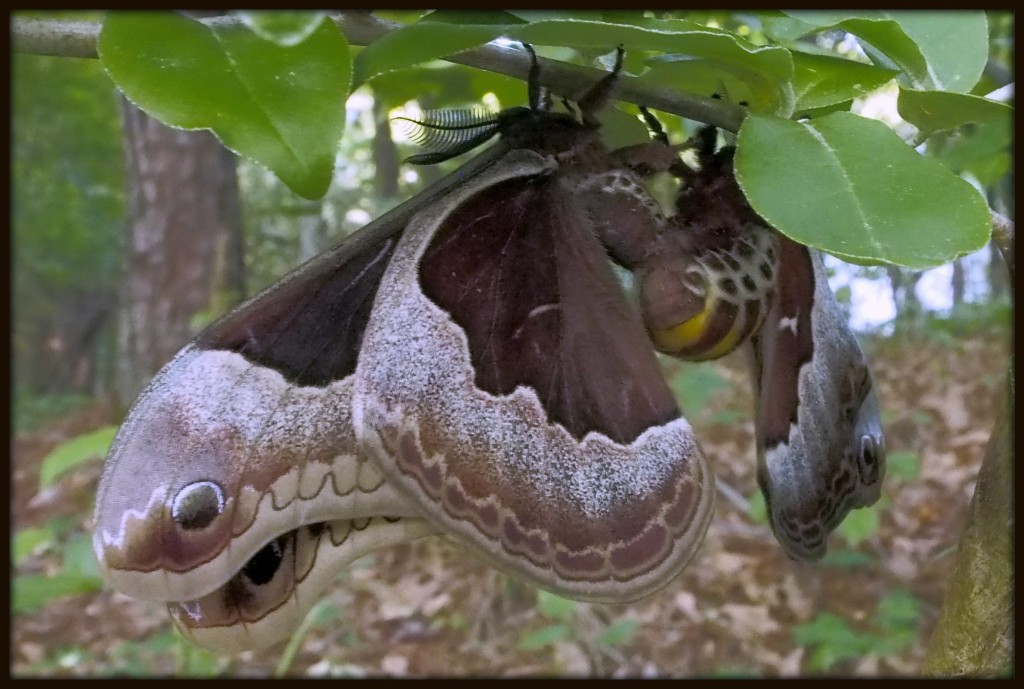
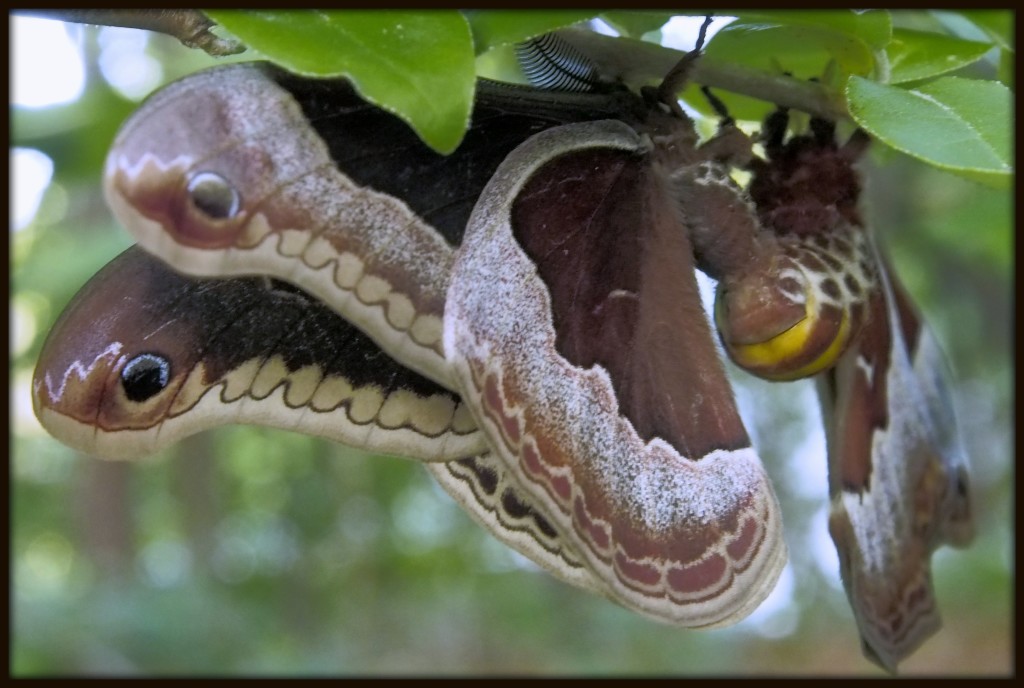
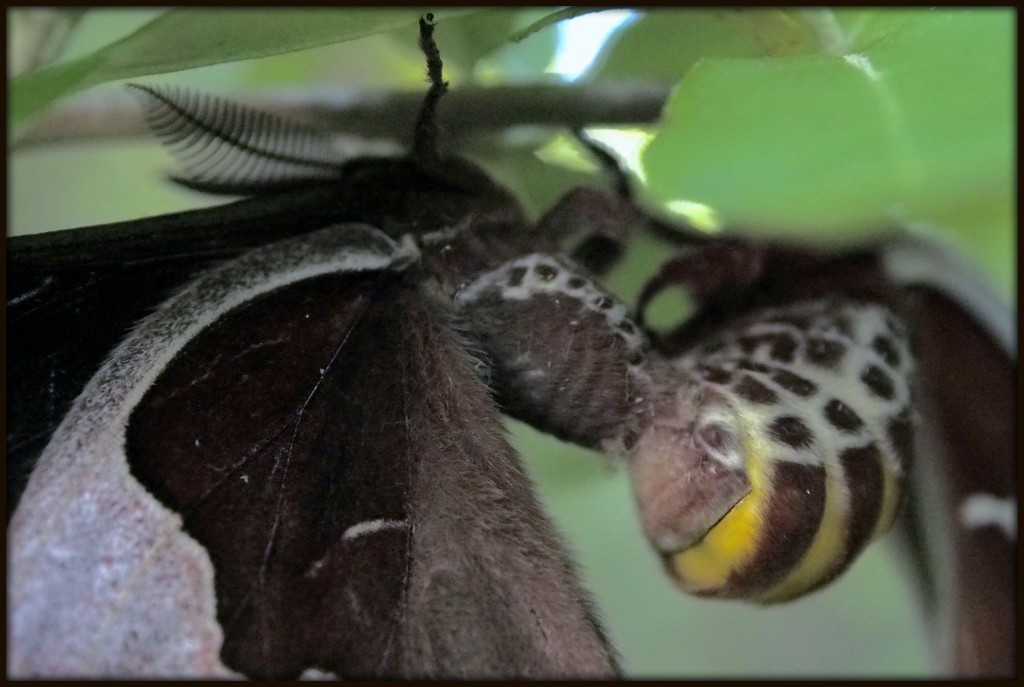
I returned to the same privet branch the next morning, May 20th, and both moths were gone. To my surprise, I inspected the cocoon that still remained attached strongly to the branch, and it was unopened. By some coincidence of nature (perhaps because that branch is an excellent piece of moth real estate), the tulip-poplar silkmoth I photographed yesterday just happened to choose the same location as the cocoon from which to broadcast her pheromones. I am left still waiting for another emergence to happen.
On my walk late this afternoon, I was startled and delighted to discover that the Saturniid moth whose cocoon I photographed earlier this year had chosen this very day to emerge. It was a female tulip-tree silkmoth (Callosamia angulifera). What a beautiful creature, and how fortunate I was to be passing by — and to notice this moth — at the time of her emergence.
As an addendum, I discovered the next day that I was mistaken — it was a different moth from the one in the cocoon! The cocoon remains intact as of 23 May, and I continue to await the emergence of yet another moth.
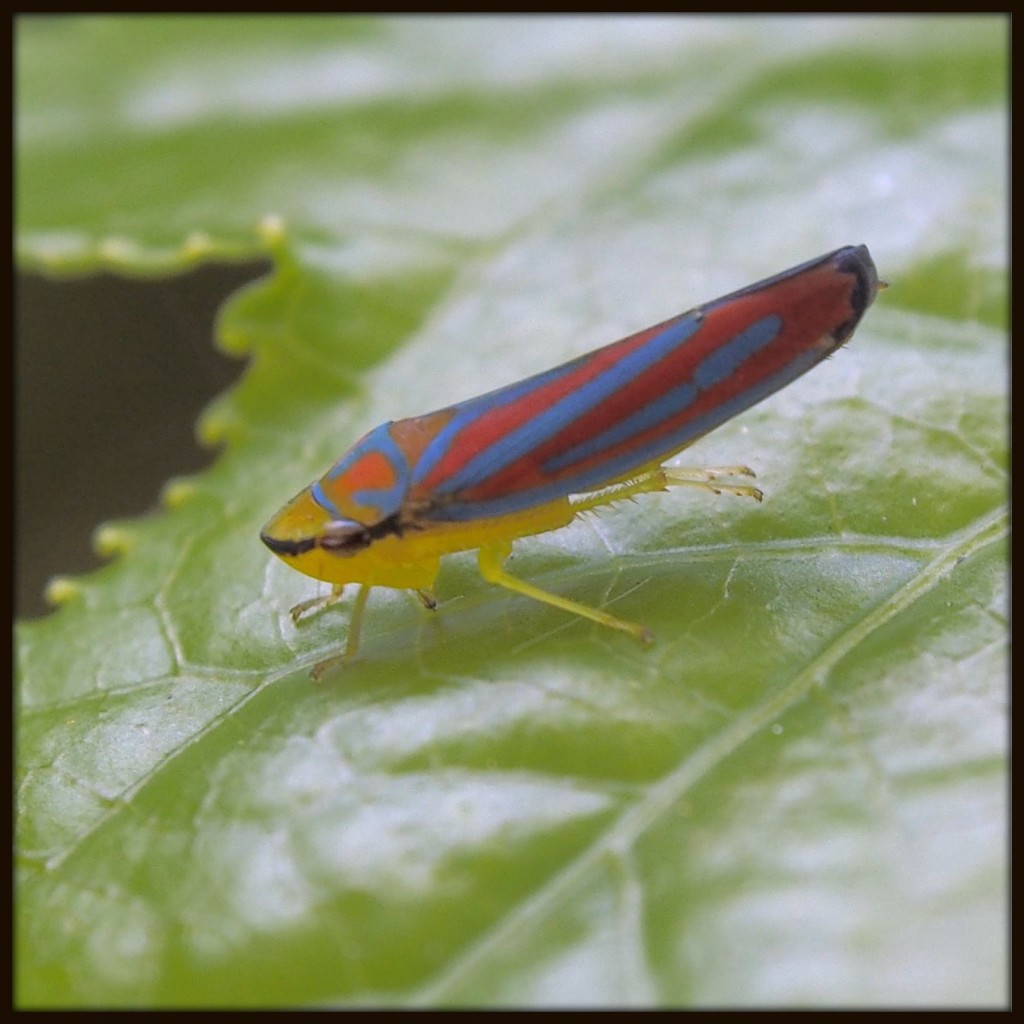
I caught this red-banded leafhopper (Graphocephala coccinea) resting on a sweetgum leaf along Piney Woods Church Road this afternoon. Although common, they are quite small (less than half an inch in length), and easily overlooked (unless they have become a plague in one’s garden). Because they feed on the sap of plants, they are generally considered agricultural pests. I still find them fascinating, with their almost alien shape and brilliant coloration.
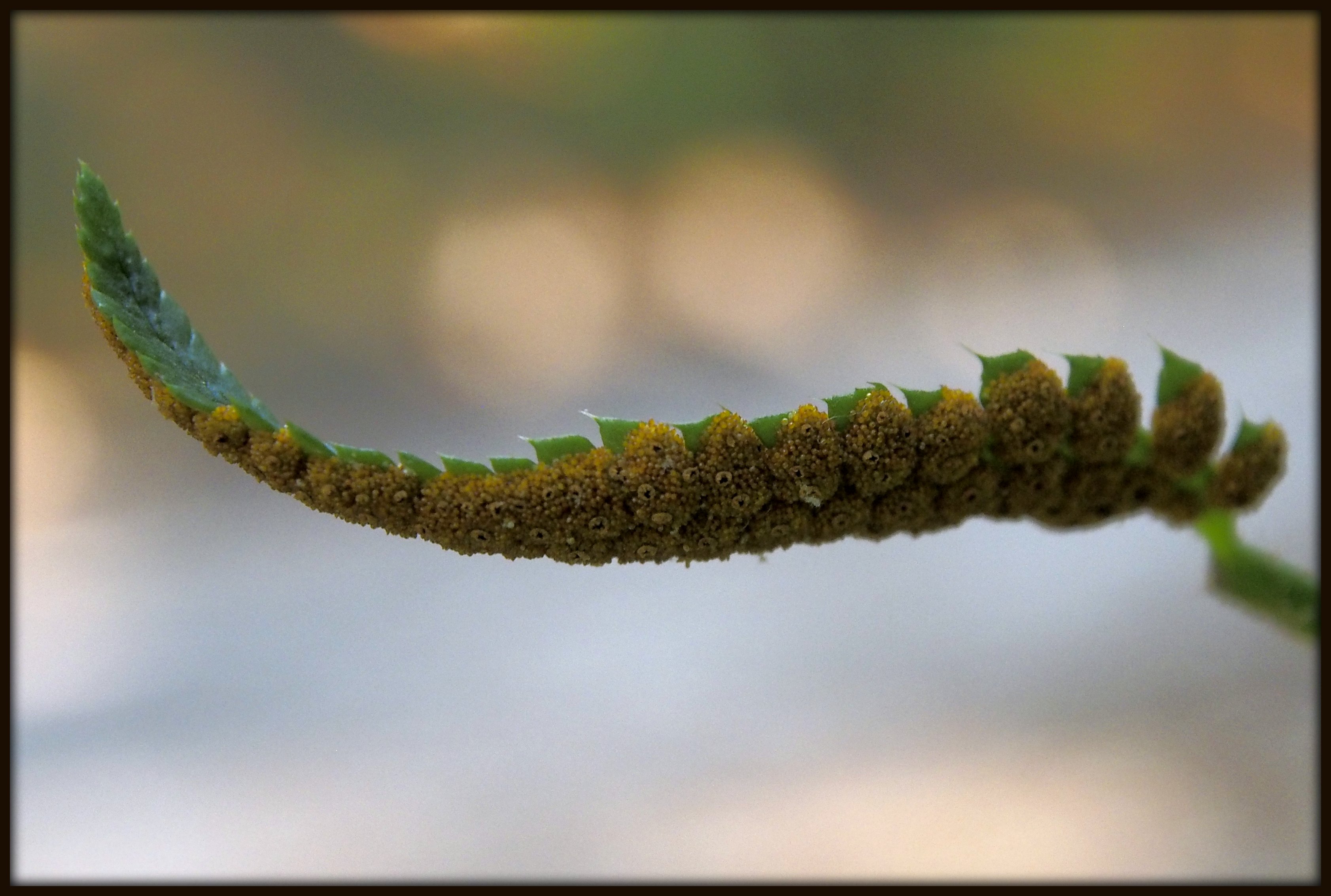
Today I dashed off to Piney Woods Church Road mid-afternoon, having returned from one hike (Line Creek Preserve in Peachtree City; photos from that walk will be posted tomorrow) and being about to leave for another one (Boundary Waters Park in Douglasville, where I hiked sans camera). I took few photographs; one feature that caught my eye was a Christmas fern (Polystichum acrostichoides) sporophyte frond covered with tiny brown dots, called sori (singular: sorus), which are clusters of spore-bearing structures called sporangia. Each sprangium, in turn, contains countless dust-like spores. Basically, there is a whole lot of reproduction going on here. No sex, though — that is reserved for a separate generation of fern plants, called gametophytes. Alternation of generations (from gametophyte to sporophyte and back to gametophyte) is characteristic of ferns, mosses, and their ilk.
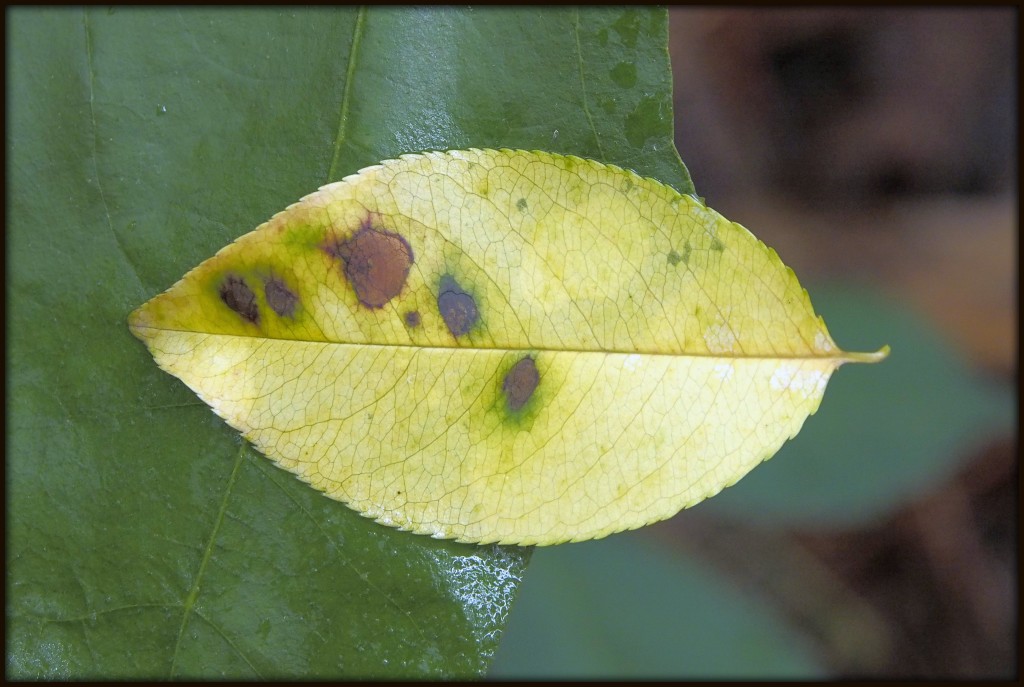
Late spring has come to Piney Woods Church Road, and everywhere I look I encounter shades of green. After last night’s rainfall, the green is vibrant, pulsing with life. It claims nearly every inch of my journey, apart from the road surface and cloud-filled sky. Splashes of other colors are rare and precious. Here are two gems from my return walk toward Hutcheson Ferry Road. The first is a bull thistle — certainly a pestilential weed, but also the only bit of brilliant magenta along the roadside. The second is a yellow leaf — probably pin cherry — balanced on the edge of a deep green oak leaf.

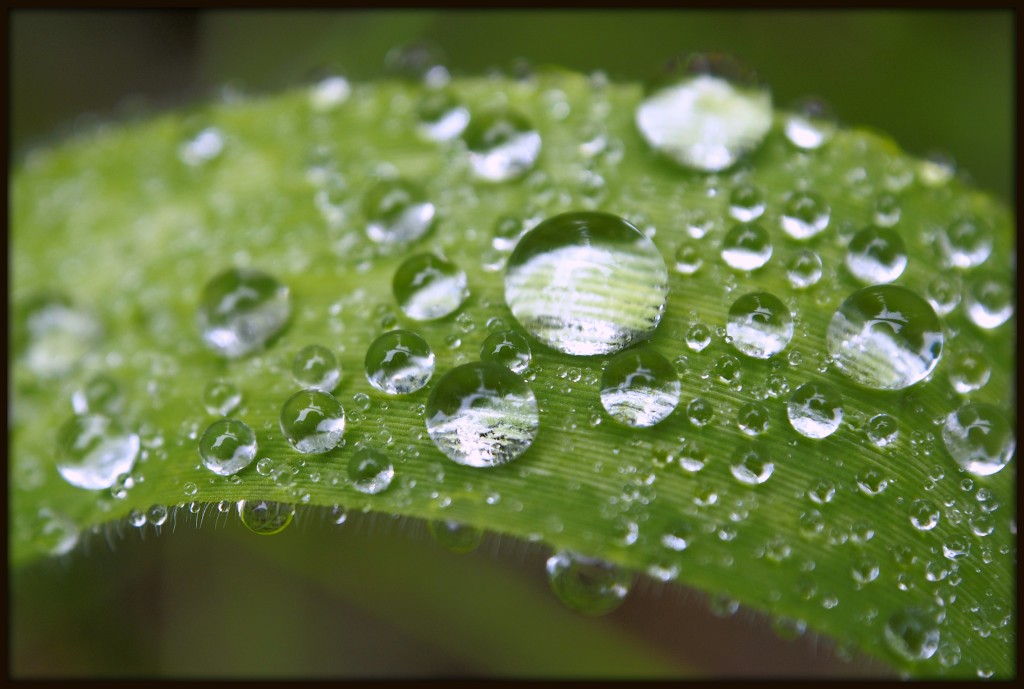
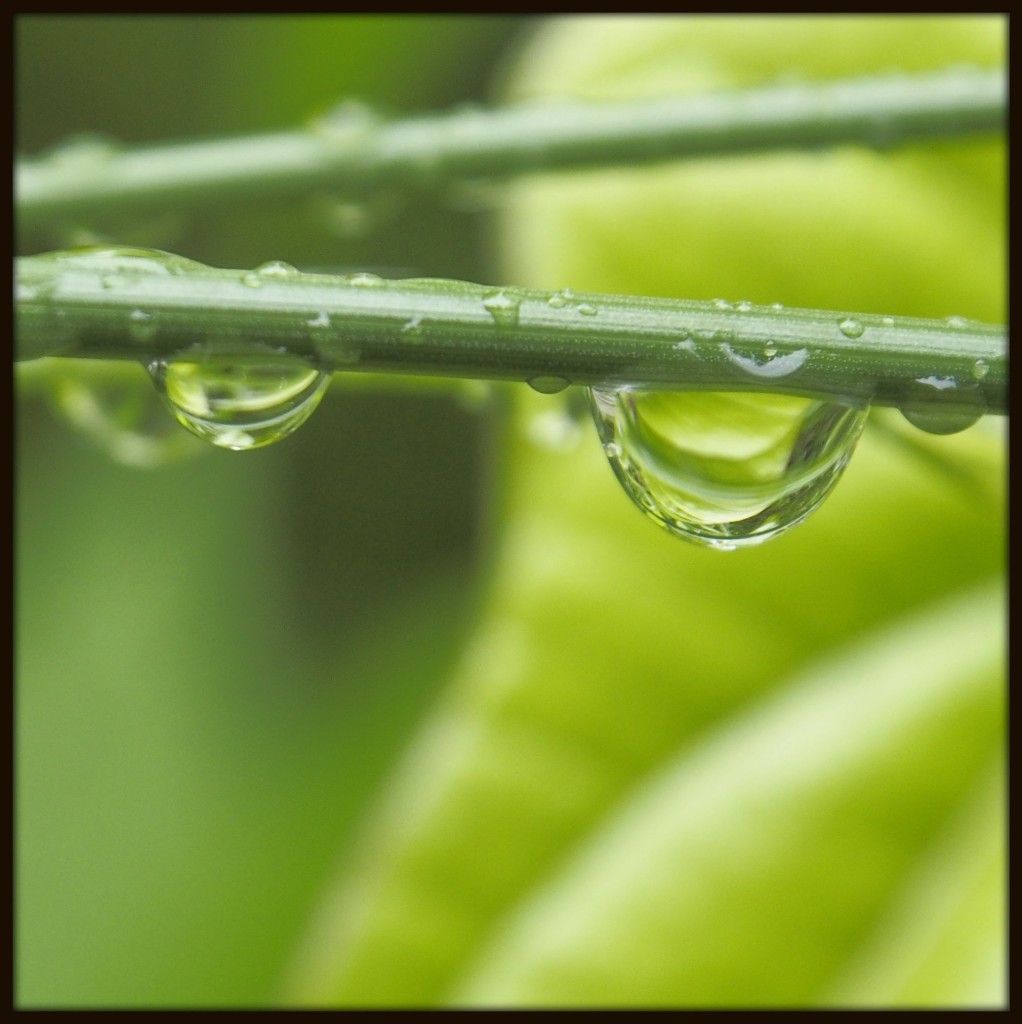
From this morning, I offer two more water droplet photographs along Piney Woods Church Road. I ought to do an exhibit on water someday….