Now the black cherries are blooming along Piney Woods Church Road. There is so much happening now that it is difficult to keep up with it all!
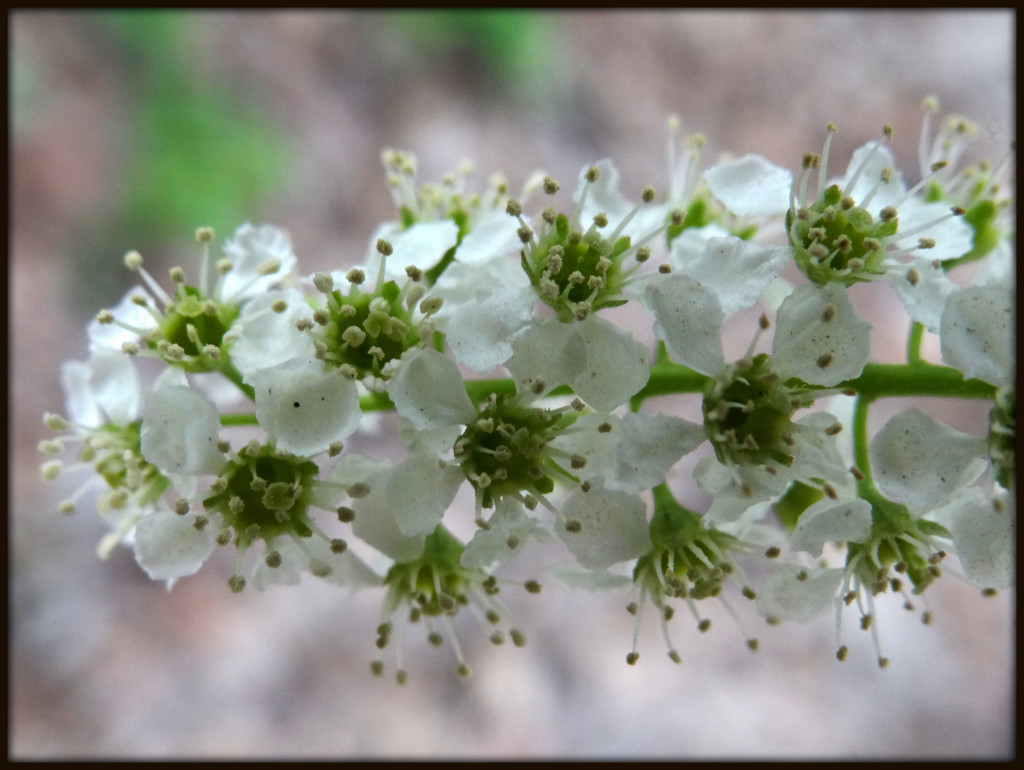
Now the black cherries are blooming along Piney Woods Church Road. There is so much happening now that it is difficult to keep up with it all!
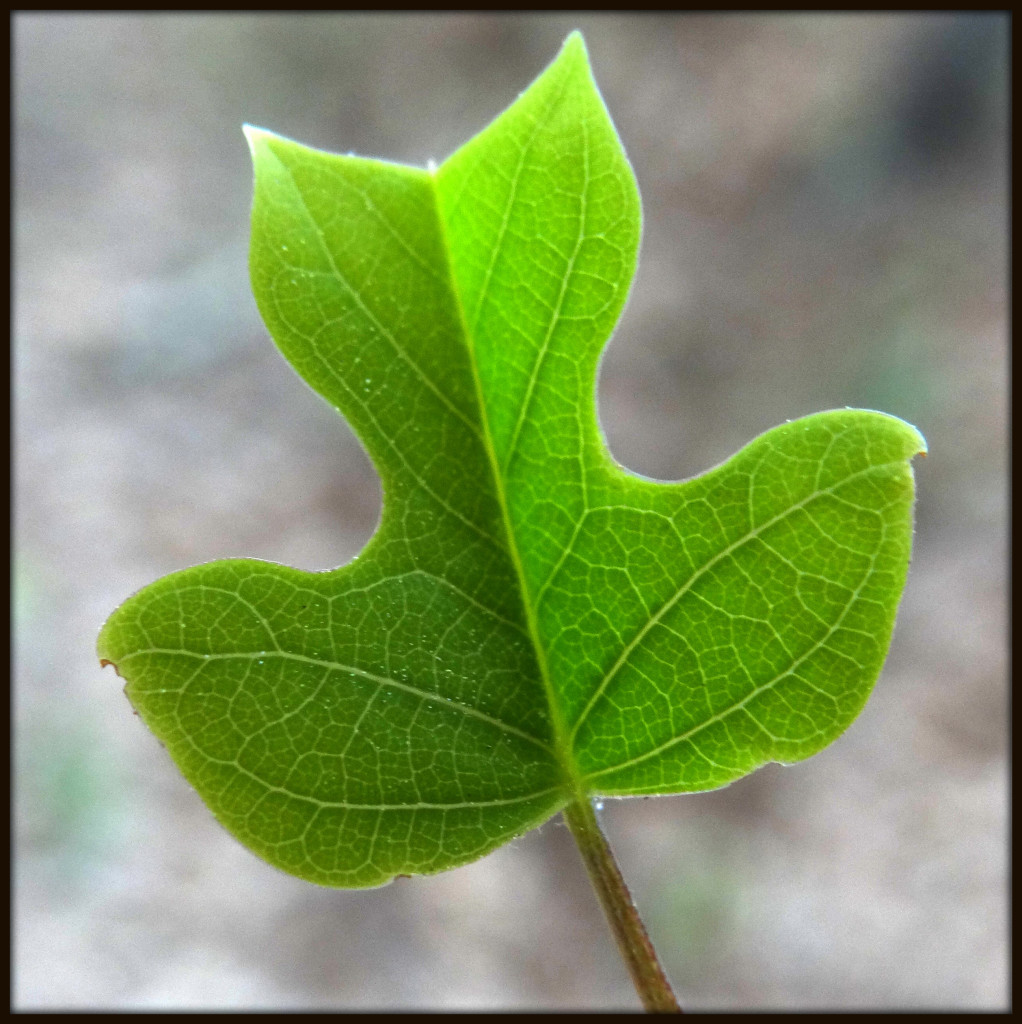
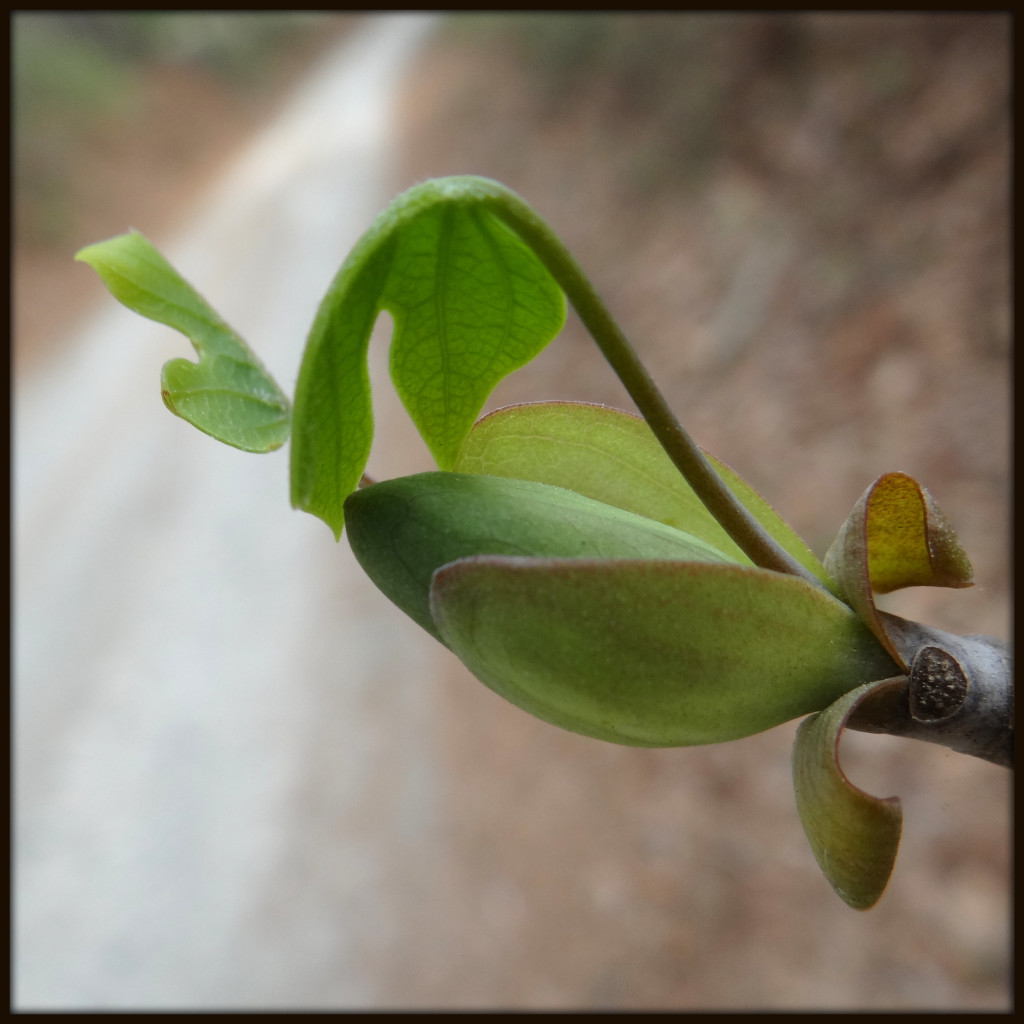
After a series of photographs of tulip poplar buds, here is an image of a single leaf, newly unfolded.
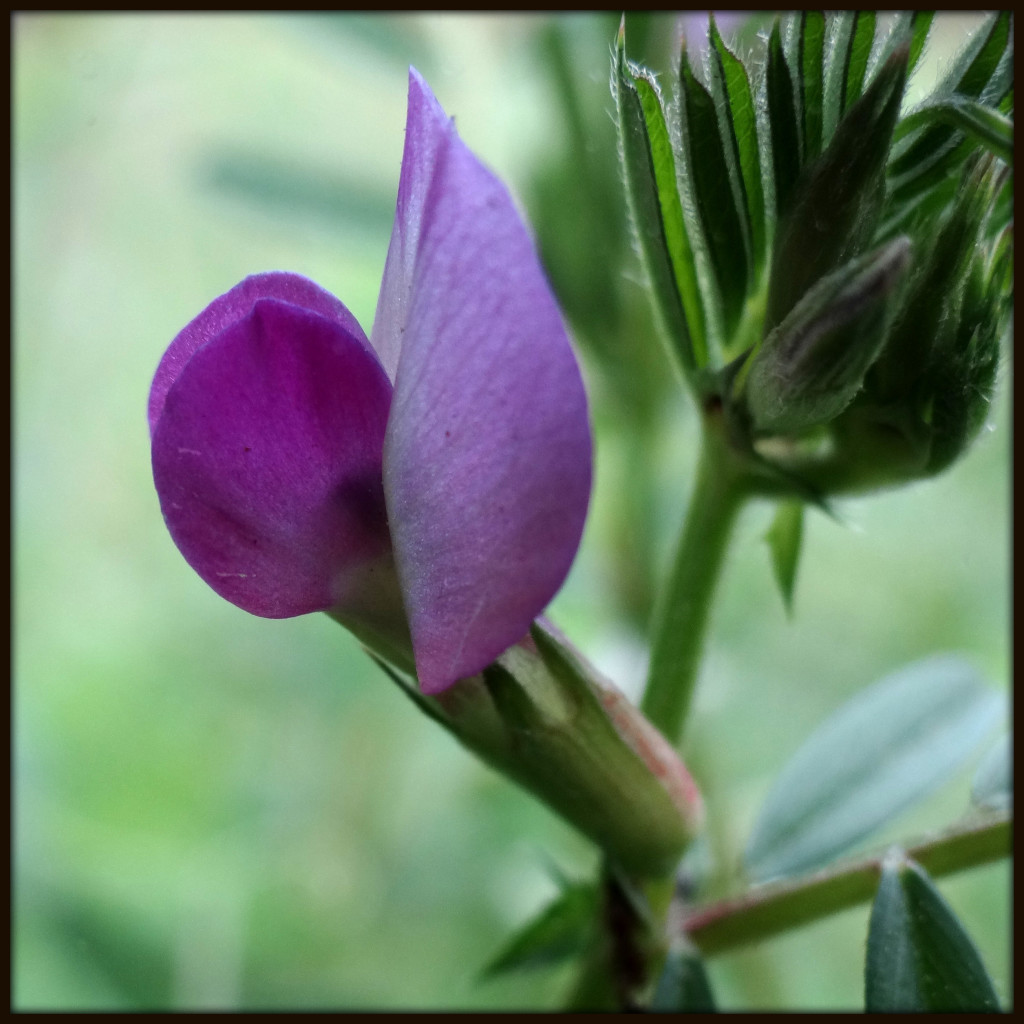
Along the edge of Piney Woods Church Road at the junction with Rico Road, I glimpsed some of the earliest blooms of everlasting pea (Lathyrus latifolius) today. This photograph makes this small flower look almost glamorous. An immigrant from southern Europe that commonly frequents waste places (such as roadsides), everlasting pea arrived in the New World around 1720. Despite the flower’s unassuming, pea-like appearance, Thomas Jefferson judged it worthy of a place in his Monticello garden, so it certainly merits inclusion here.
Yesterday afternoon, my wife and I hiked a few of the trails in the Sope Creek Unit of Chattahoochee National Wildlife Refuge in Marietta. In addition to encountering numerous wildflowers (both native and otherwise) and bursting buds on many shrubs and trees, we also visited the ruins of the Marietta Paper Company’s milling operation. Constructed in 1859, the mill produced paper for Confederate currency during the early days of the Civil War. It was burned by federal troops in 1864, but reconstructed after the war ended. Finally, it was abandoned in 1902. The mill machinery is long gone to rust and vandals, but the stone walls are quite impressive, with enormous window spaces providing views of Sope Creek or deeper into the ruins themselves.
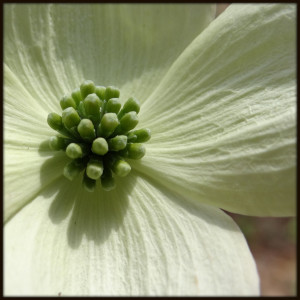
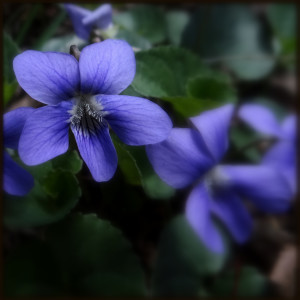
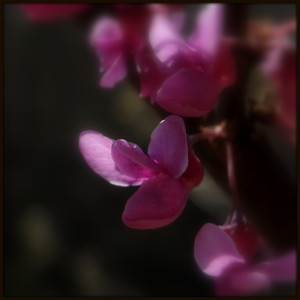
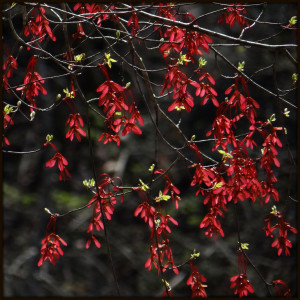
Here are a few images from my day. First, a few images on the path to the mill ruins: a flowering dogwood; purple violets blooming along Sope Creek; an eastern redbud in flower among the ruins; and maple keys developing on branches overhanging the water.
Next, a few view of the paper mill ruins along the banks of Sope Creek.
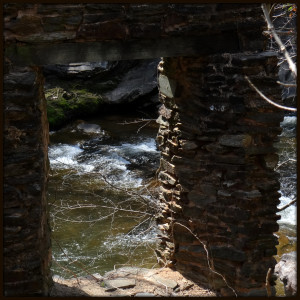
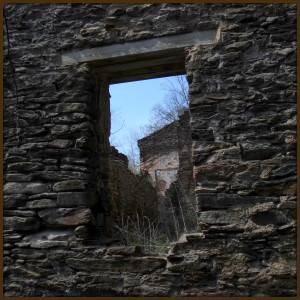
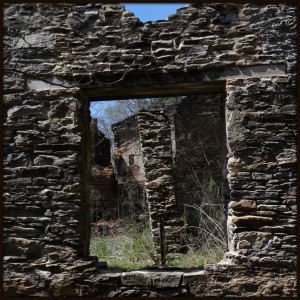
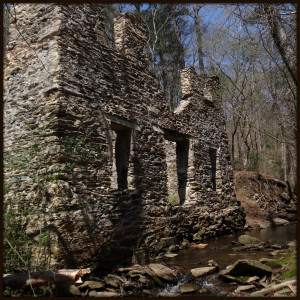
Finally, a few more signs of spring, from later in our walk. Yellow violets were blooming in a charming little ravine, where the water splashed over rocks and fiddleheads of ferns unfurled in the shade.
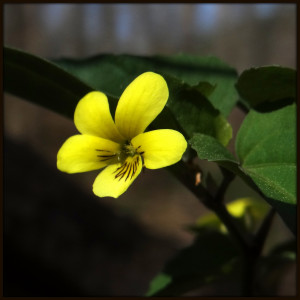
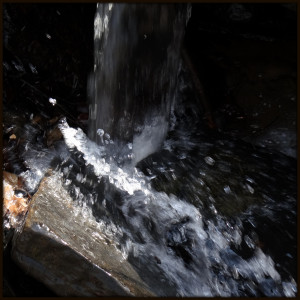
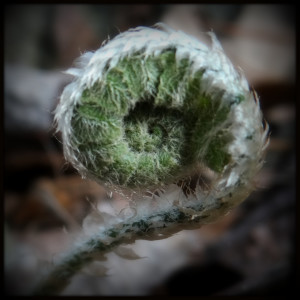
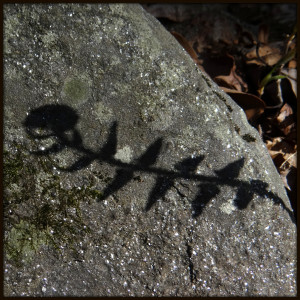
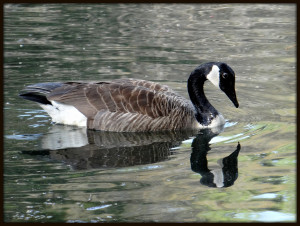
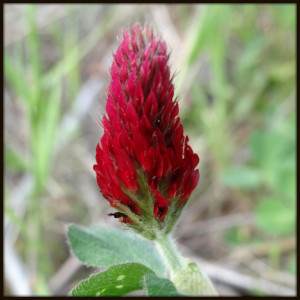
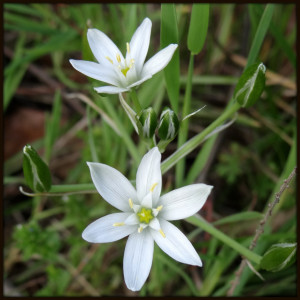
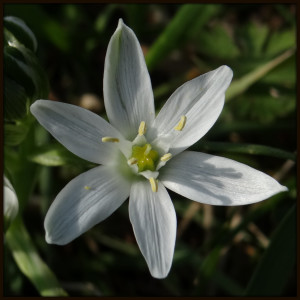
Toward the end of the walk, we passed a pond where a pair of Canada geese were swimming. On the earthen dam, European immigrants were in bloom: crimson clover (Trifolium incarnatum; also called carnation clover) and star-of-bethlehem (Ornithogalum umbellatum). The latter had flower heads so perfect that they looked artificial. Other names for this beautiful perennial include nap-at-noon, snowdrops, starflower, and dove’s dung. All parts of the star-of-bethlehem plant contain cardiac glycosides, making them toxic to livestock. Unfortunately, the star-of-bethlehem is also considered to be invasive in ten US states. Crimson clover, on the other hand, is an annual commonly planted as a cover crop for hay, affording excellent forage for cows and sheep.
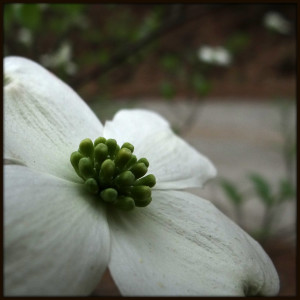
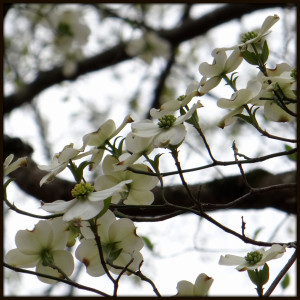
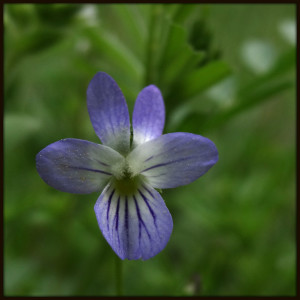
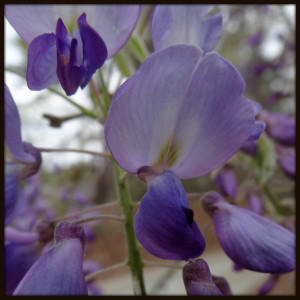
Everywhere I glance down Piney Woods Church Road (or, at least, everywhere that is fairly wild and was not recently mowed), I see flower buds and blossoms. Here are four images from my walk today: flowering dogwood (Cornus florida), a lovely pale purple violet, and the much loved and hated Chinese wisteria (Wisteria sinensis). The wisteria is just coming into bloom; soon, much of the roadway will be lined with curtains of pale purple flowers, exuding a heady, almost sickly-sweet scent. There will be more about Chinese wisteria in future posts.
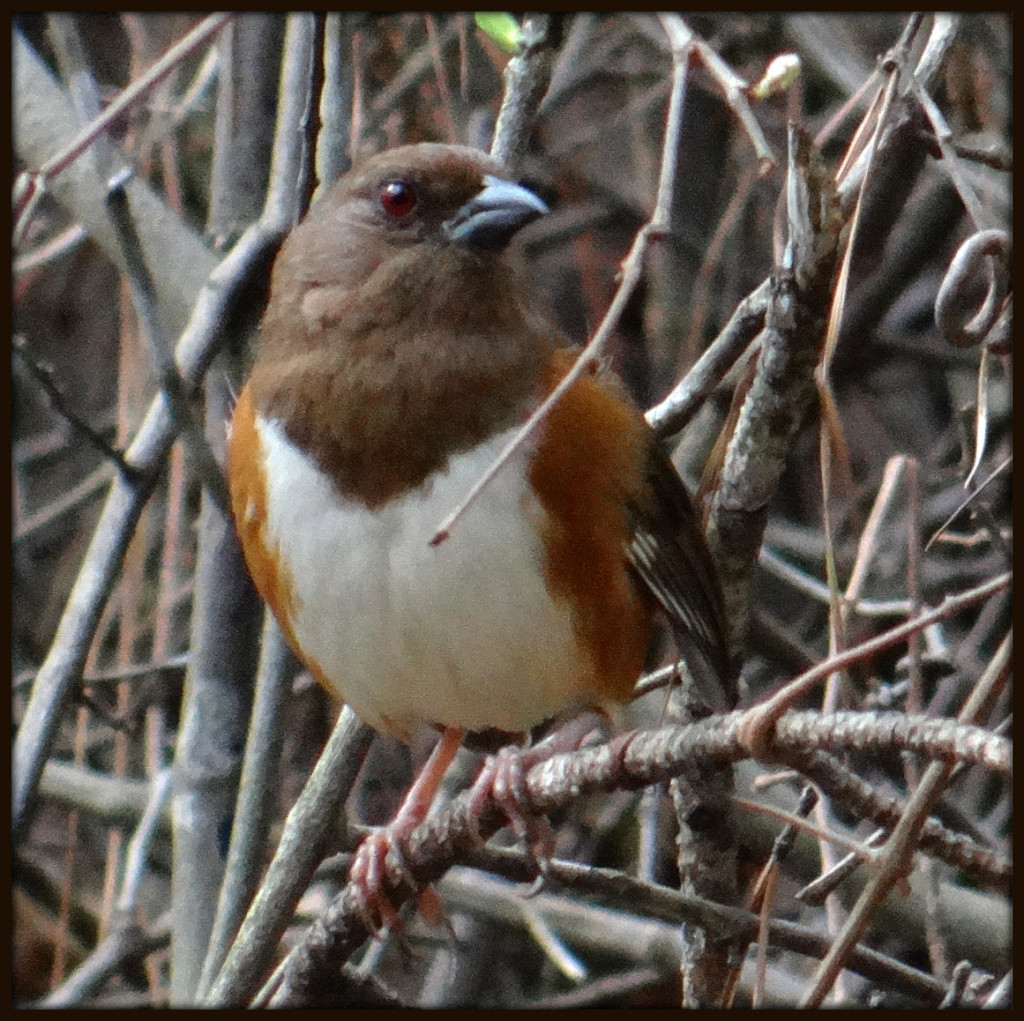
On my walk late this morning, I was serenaded by the shrill calls of an Eastern Towhee (Pipilo erythrophthalmus), perched in the undergrowth along the roadside. I am not a birder, and have no intentions of beginning a life list. But I am pleased to say that this is a species of sparrow that I had never seen before.
Today I took yet another in a series of photographs of tulip poplar buds opening. This image reminds me of a figure with bowed head (the folded over leaf) extending a raised hand in blessing to travelers along the road.
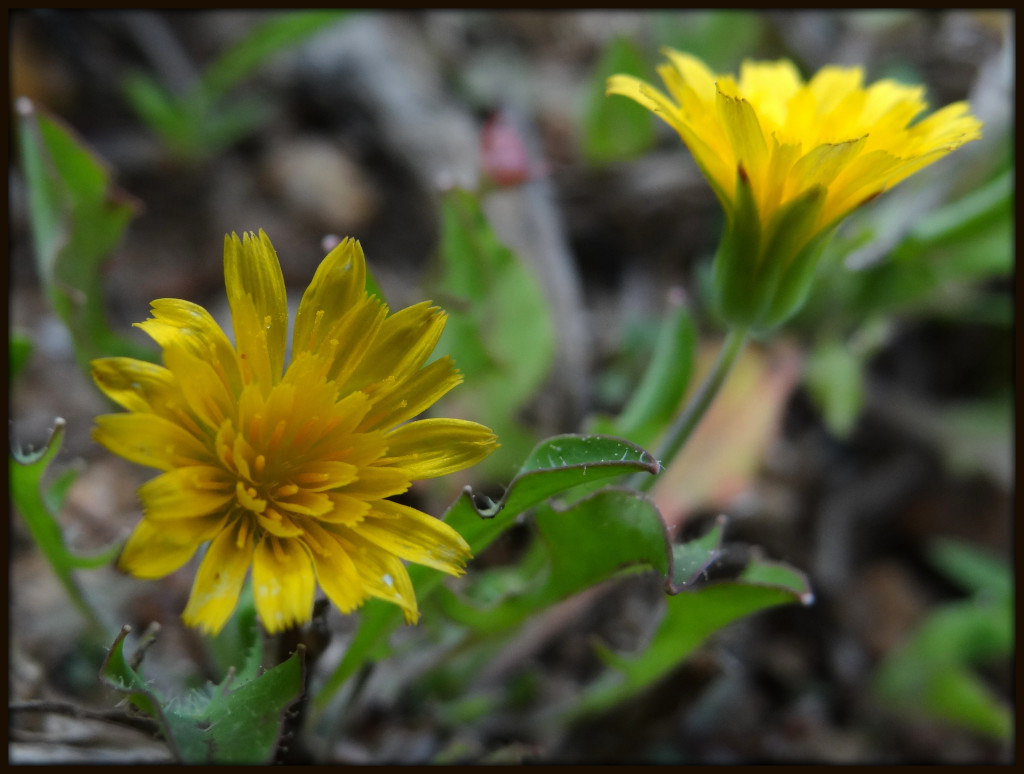
As a change of pace, I set out this morning for Piney Woods Church Road by way of Hutcheson Ferry Road. Glancing in the ditch at the end of Piney Woods Church Road, I saw what I thought at first were unusually small dandelions, with flower heads perhaps half an inch across. What I found suspicious is that there were so many, all of which were about the same size — leading me to think that this might be a different flower altogether. Returning home, I did a quick internet search and discovered that they are, in fact, dwarf dandelions (Krigia virginica), native annual wildflowers common to roadsides, fields, and lawns in the eastern half of the United States. Despite its similar look, the dwarf dandelion is only distantly related to the non-native true dandelion (Taraxicum officinale).
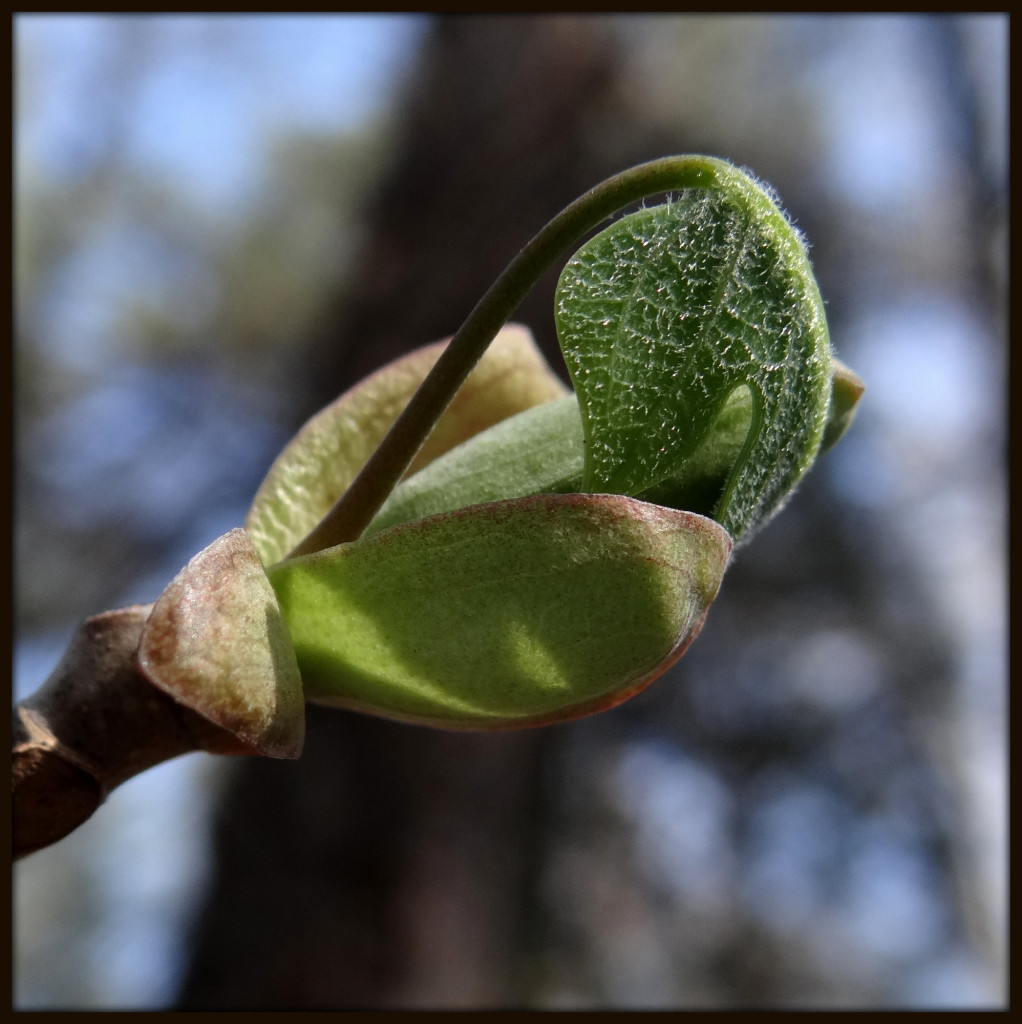
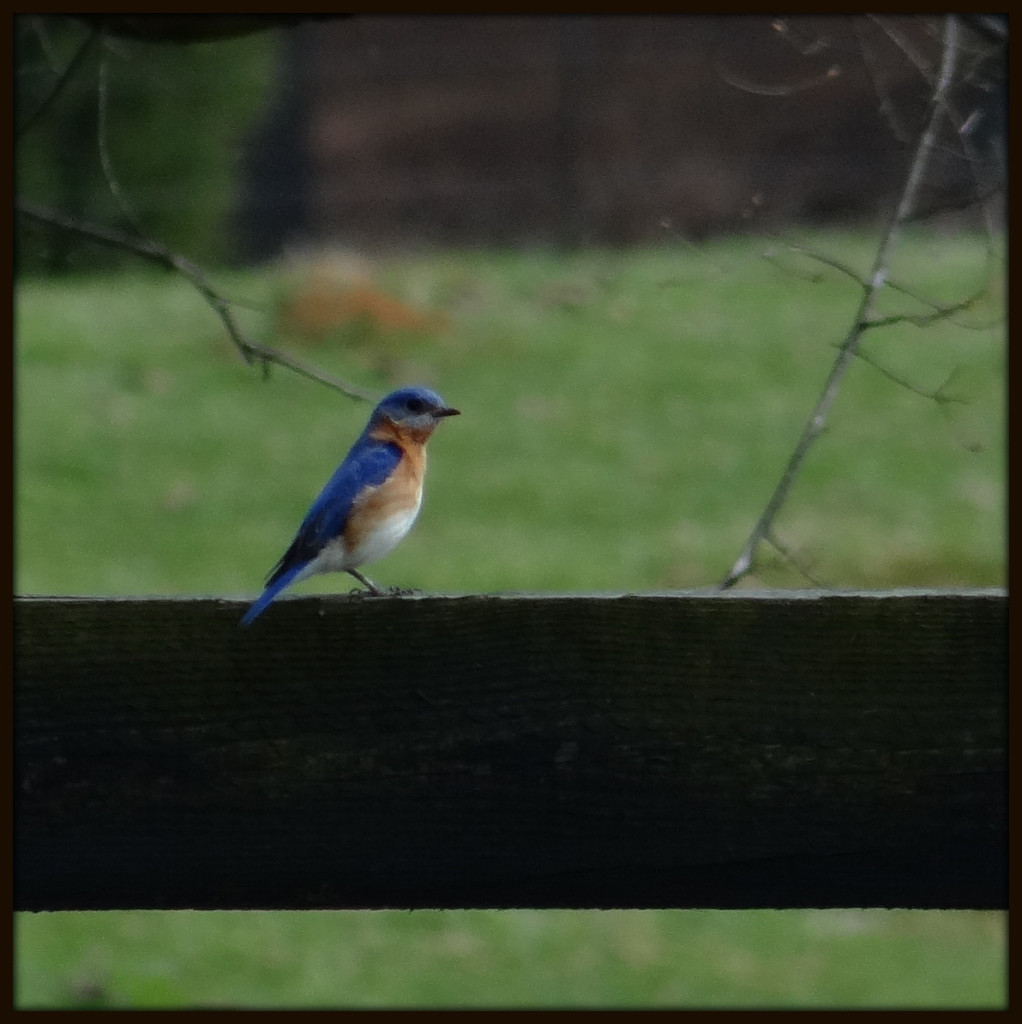
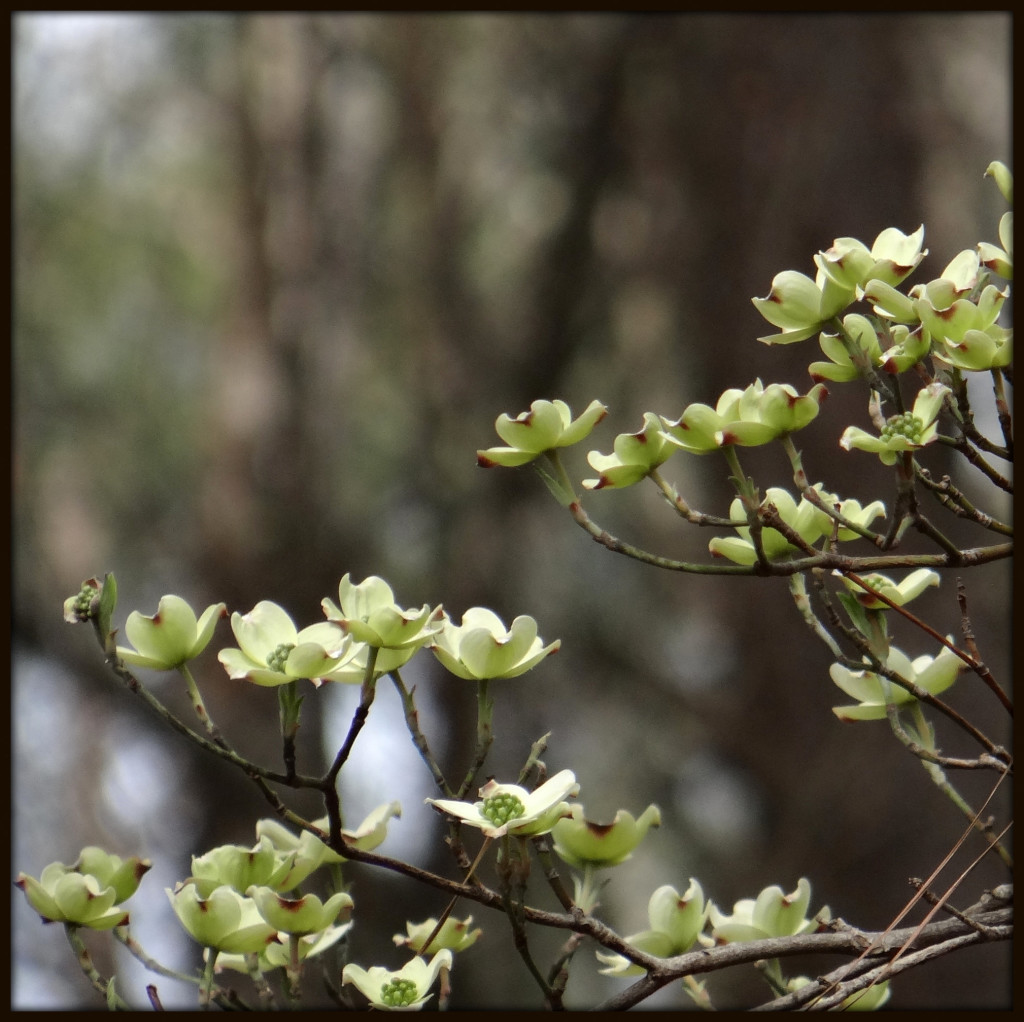
From my walk today, I offer these three signs of springtime: another tulip poplar leaf emerging from the bud; a bluebird on a fence rail; and a dogwood tree in bloom.
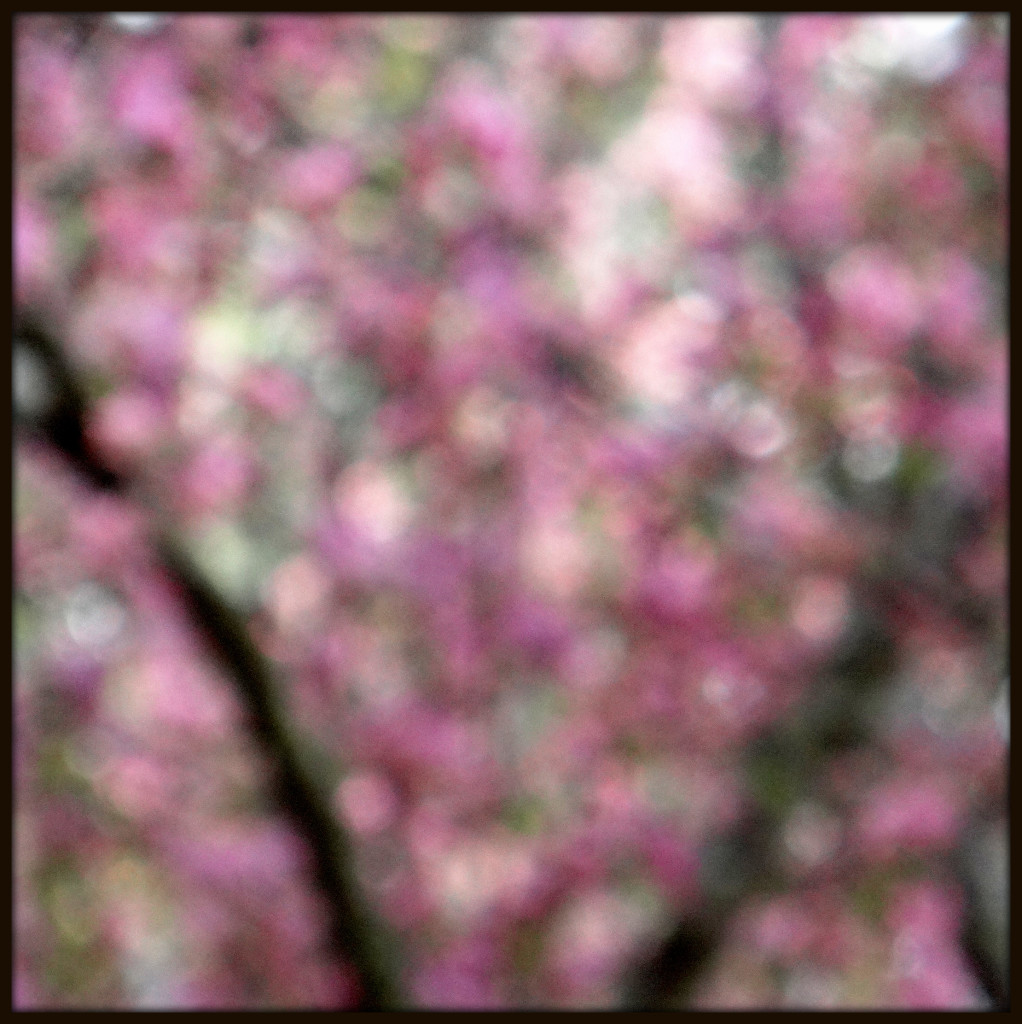
I ventured out to Piney Woods Church Road today shortly after discovering that one of our cats, an orange and white adolescent Manx cat shaped rather like a bowling pin, had sneaked outside last night and was missing. My walk was necessarily distracted, as I paused every few steps either to take a photograph, call out the cat’s name, or a combination of the two. Early on my walk, I glimpsed a pink tree blooming in a backyard beside the road — crabapple, I think. Here is my impression of the tree — a bit unfocused, like myself at the time.
Just as I began writing this post, the prodigal kitten returned, none the worse for wear, but rather hungry.