Mar 032014
 

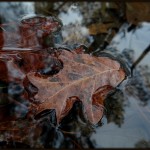
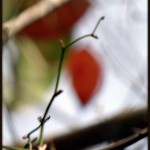
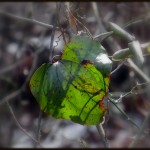
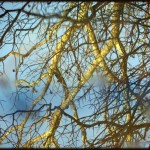
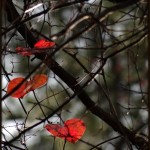
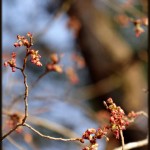
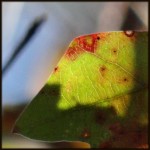
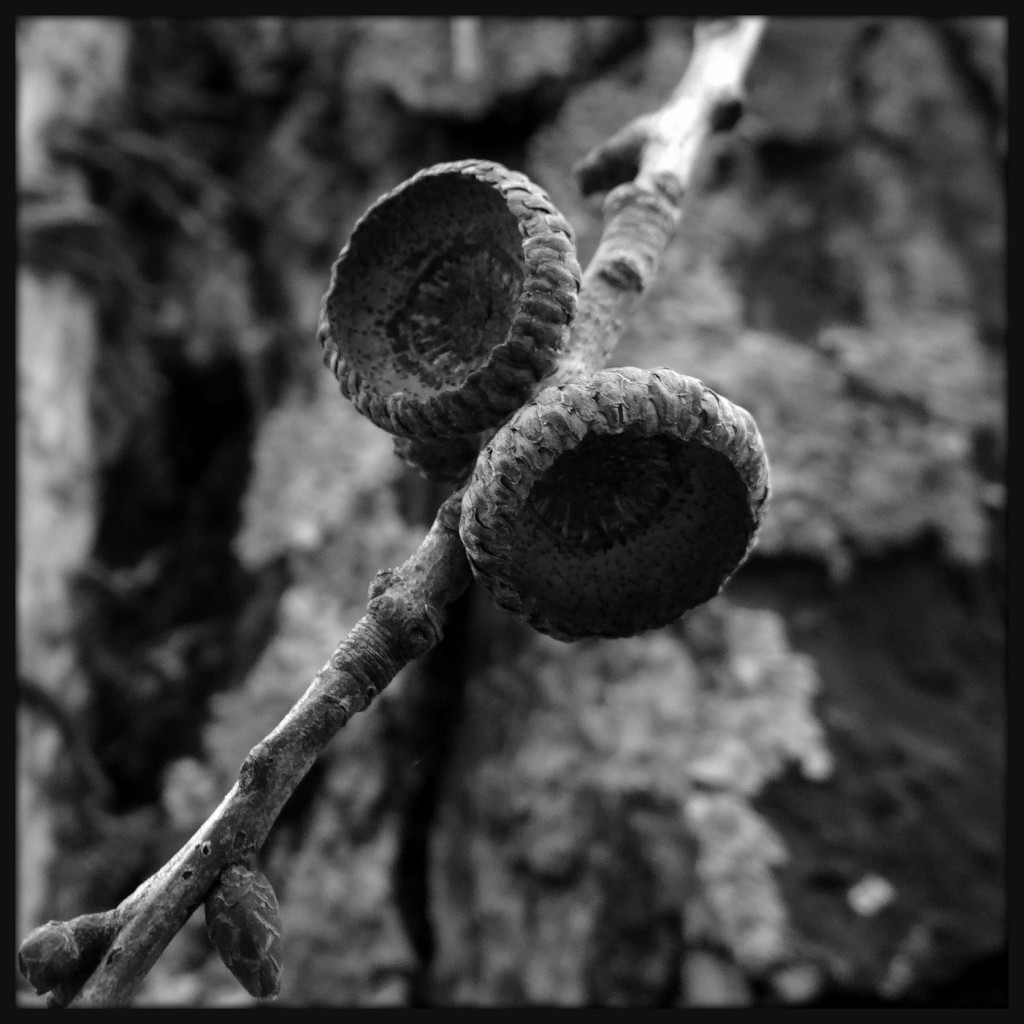
The weather took a turn for the cold and damp today.  Although the rain had ended hours before, the gray sky lingered into the middle afternoon.  I set out down Piney Woods Church Road with hopes of new reflection photos, but a cold wind stirred what water there was (the largest drainage ditch was completely dry).  It no longer felt like spring was near — there was a raw edge to the air that reminded me of winter, or possibly even late fall.  So I took refuge instead in mementos of last autumn — a pair of acorn caps left behind on a branch after the acorns had dropped away.

365Project

Mar 022014
 

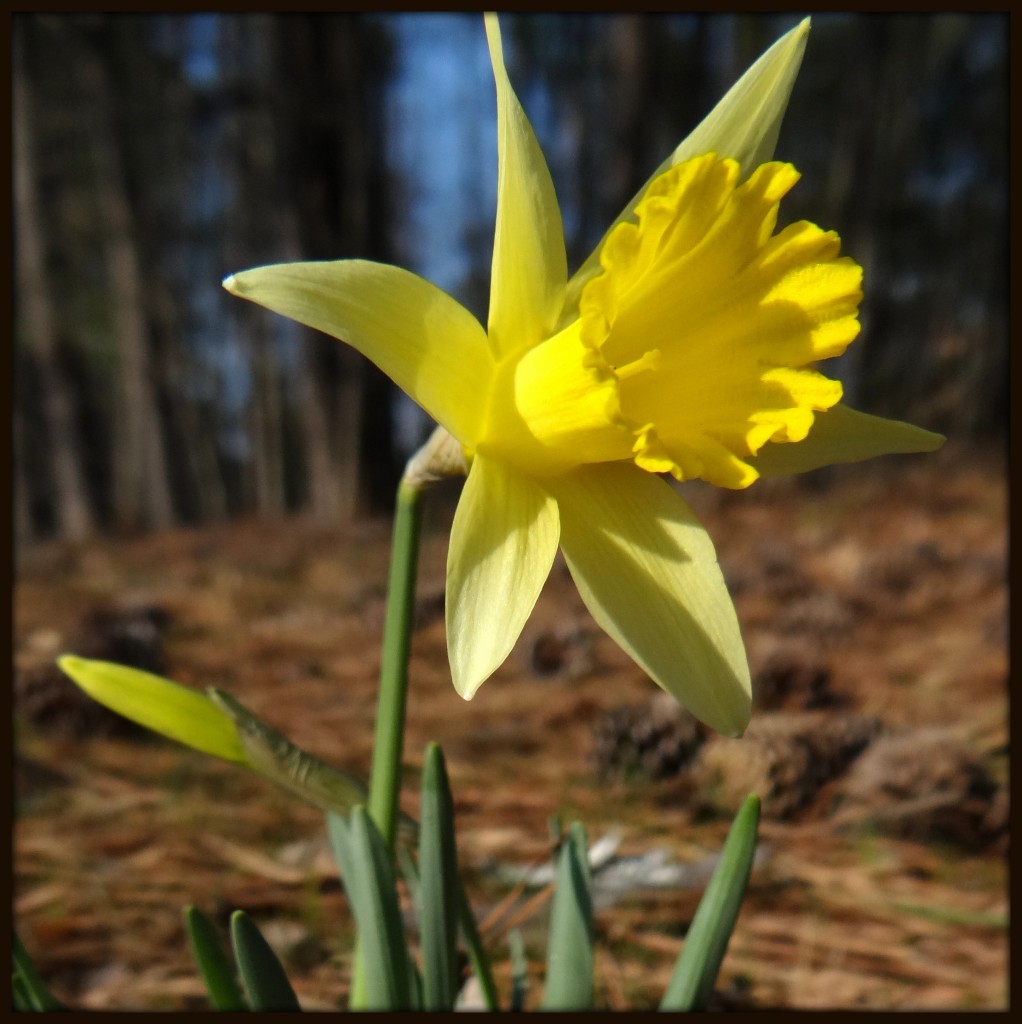
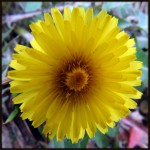
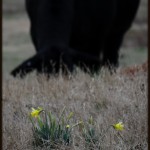
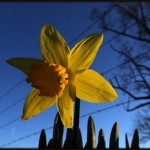
The daffodils are still in bloom along Piney Woods Church Road, and more seem to be popping up every day.  I find them intriguing, because even though they are so commonplace, they have an unusual feature, the corona, whose origin was not known to science until 2013.  Just last year, researchers from the University of Oxford published a scientific paper in the Journal of Plant Science, indicating that the corona has evolved as a modification of the stamens of the flower.

One More Daffodil

Mar 022014
 

Common ChickweedIt is mid-March, and ruderals, Spring’s harbingers, can be seen blooming along the roadsides. Ruderals are plants that inhabit “disturbed ground” such as garden beds, lawns, and roadsides. They live a hardscrabble life on the margin, surviving despite passing feet, lawnmowers, and even herbicides. The most common ruderal (nearly always in bloom) is the dandelion. But there are many others, far less conspicuous.

Just beyond the road’s edge can be seen tiny four-petaled bluish-purple blooms with bright yellow centers. In places a few flower heads that barely rise above the grass while elsewhere, clusters turn the verge almost blue. They are bluets (Houstonia caerulea), natives that are common across most of the United States. They have a vibrant color and delicate form, but no scent or folk use, except for bluet root tea, supposedly used by the Cherokee to treat bedwetting.

Nearby are slender stalks of hoary bittercress (Cardamine hirsuta). A Eurasian winter annual, this hardy immigrant goes by many names, including lamb’s cress, land cress, shotweed, and snapweed. It keeps its leaves close to the ground, sending up wiry stems topped by minute white flowers. How the “bitter” got into its name is not clear, unless it refers to gardeners’ attitudes about it. Although considered a “noxious weed” for taking over lawns and gardens, it is a tasty salad green, slightly peppery in flavor.

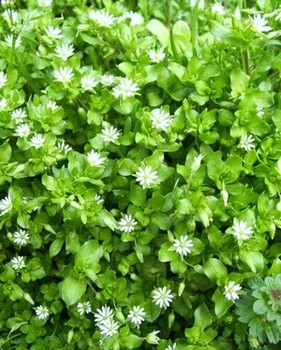
A short distance away lies a roadbank that was doused with herbicides late last summer. Already it is covered with new growth: slender green vines with small oval leaves, topped by white flowers. Each flower appears at first glance to have ten petals, but actually has only five, each cleft deeply in two. This Eurasian ruderal may be the world‘s most abundant weed. Sometimes called common chickweed (Stellaria media), it has many other names like starweed, starwort, winterweed, stichwort, and chickwhirtles. It blooms nearly year-round, pollinated by bees and moths. Chickens and small mammals eat the young leaves, while sparrows and finches devour the seeds. Like hairy bittercress, it can be added to salads, and can also be used to treat obesity.

Spring is coming, and the woodland paths will soon be edged with native wildflowers such as round-lobed hepatica (Hepatica americana) and bloodroot (Sanguinaria canadensis). But for now, while the forest rests in the quiet of late winter, the change of seasons can be found instead along Georgia’s roadsides, during this Ruderal Spring.

This article was originally published on March 18, 2010. 
Mar 022014
 

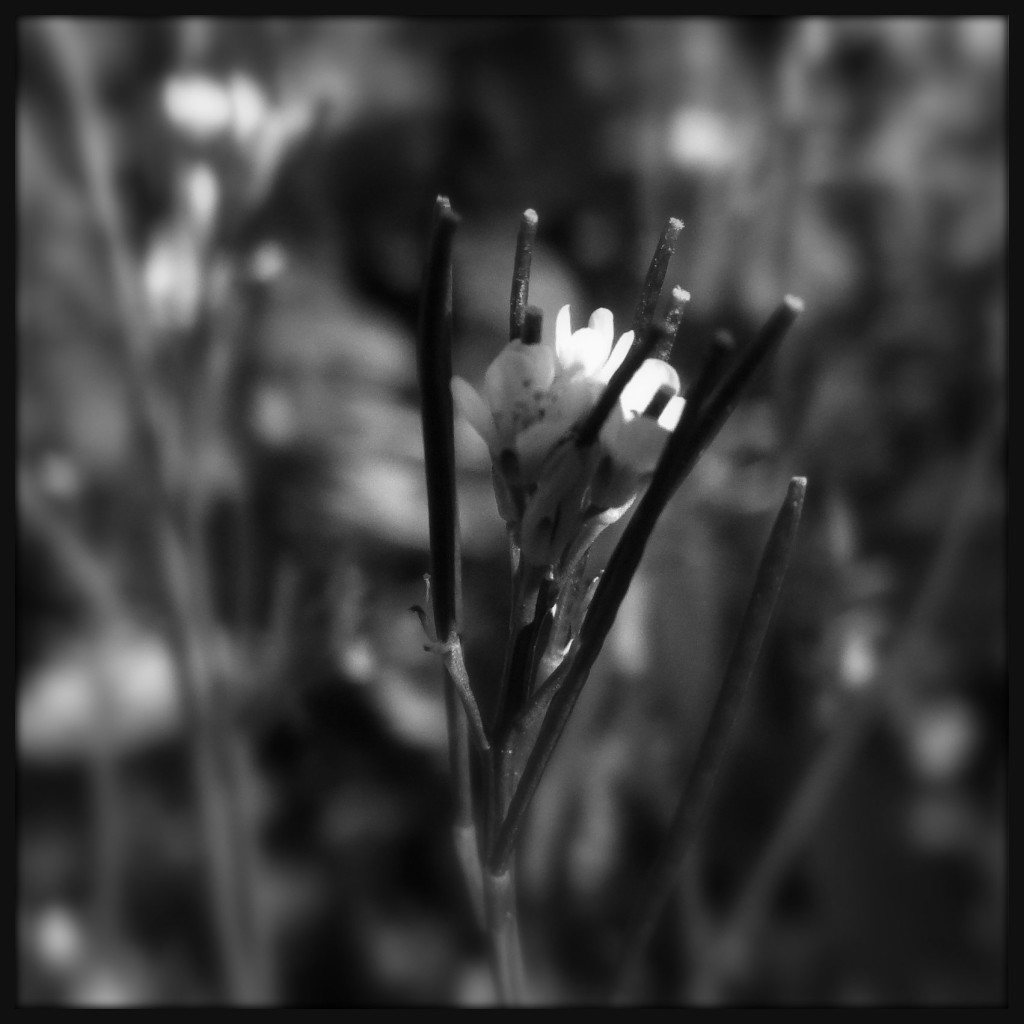
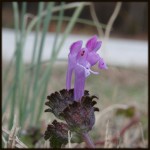
As spring slowly approaches, I am finding myself drawn to the ditch at the Hutcheson Ferry end of Piney Woods Church Road.  Every visit, I am rewarded by the sighting of another new wildflower to photograph.  There is a catch, though:  none of the flowers is showy (henbit being perhaps the most dramatic of the bunch, with its flashy, orchid-like blooms), and all of them are minute, with flower heads a few millimeters across.  These flowers belong to a group known as the ruderals:  wildflowers of waste places (such as roadside ditches).  They are nearly all non-natives.  Hoary bittercress, for example, hails from Europe, and is common throughout the eastern United States.  Of course, unless one is prone to kneeling on the lawn in late winter armed with a magnifying lens, the flower might an unfamiliar one.  In this photograph, the blooms are surrounded by long, narrow seed pods, called siliques, which will ripen and then pop open upon being touched, sending a new crop of seeds on their journey.  Later in the season, this annual will develop a basal rosette of pinnately lobed leaves; despite “bittercress” in the name, the leaves are edible raw or cooked.
Hoary Bittercress

Mar 012014
 

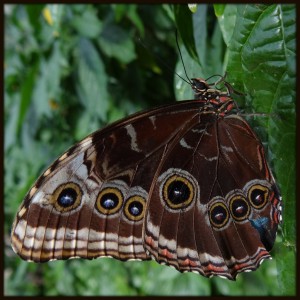
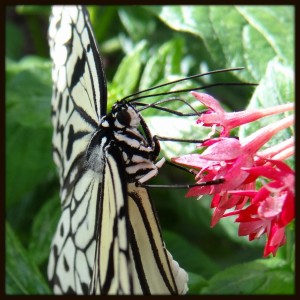
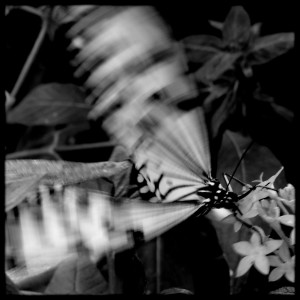
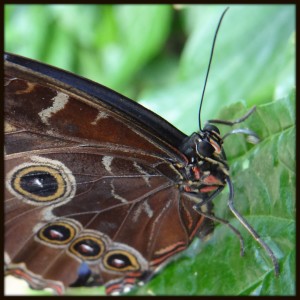
From yesterday’s visit to the Day Butterfly Center at Callaway Gardens, here are images of two butterflies that were willing to be photographed:  an owl butterfly (with the prominent eye spots on the undersides of the wings) and a paper kite.  There were many others that offered me only transitory glimpses, dashing off before I could focus the camera lens….

Butterfly One

Butterfly Two

Butterfly Four

Butterfly Three

Mar 012014
 

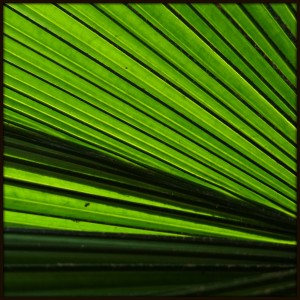
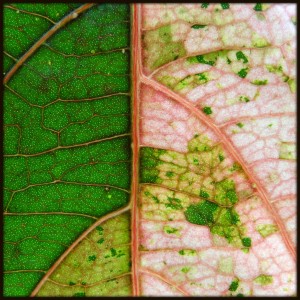
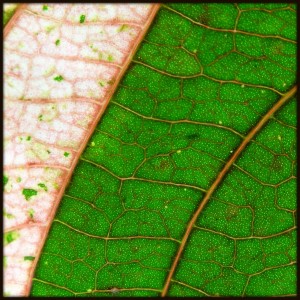
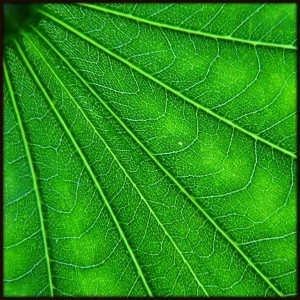
I ventured to Callaway Gardens yesterday afternoon, spending nearly two hours in the Day Butterfly Center.  The result, of course, is these photographs of…tropical plant leaves.  I must say that the leaves were much more willing subjects for the lens than the butterflies.  I will include a few butterfly images in a second post from my trip.  Meanwhile, these leaves often welcome splashes of color in a drab, still somewhat wintery, time of year.

Tropical Leaves One

Tropical Leaves Two

Tropical Leaves Three

Tropical Leaves Four

Mar 012014
 

I turned the corner onto Piney Woods Church Road this afternoon to be greeted by the first orb web I have seen this season.  The minute spider was resting near the center of her construction.  There were some imperfections in the web’s symmetry; but then again, the young spider, like this photographer, is a novice at her craft.

First Web

Feb 282014
 

Two months have passed since this project began, and I am finding joy in every visit to Piney Woods Church Road.  Spring is arriving, and every day, new discoveries await.