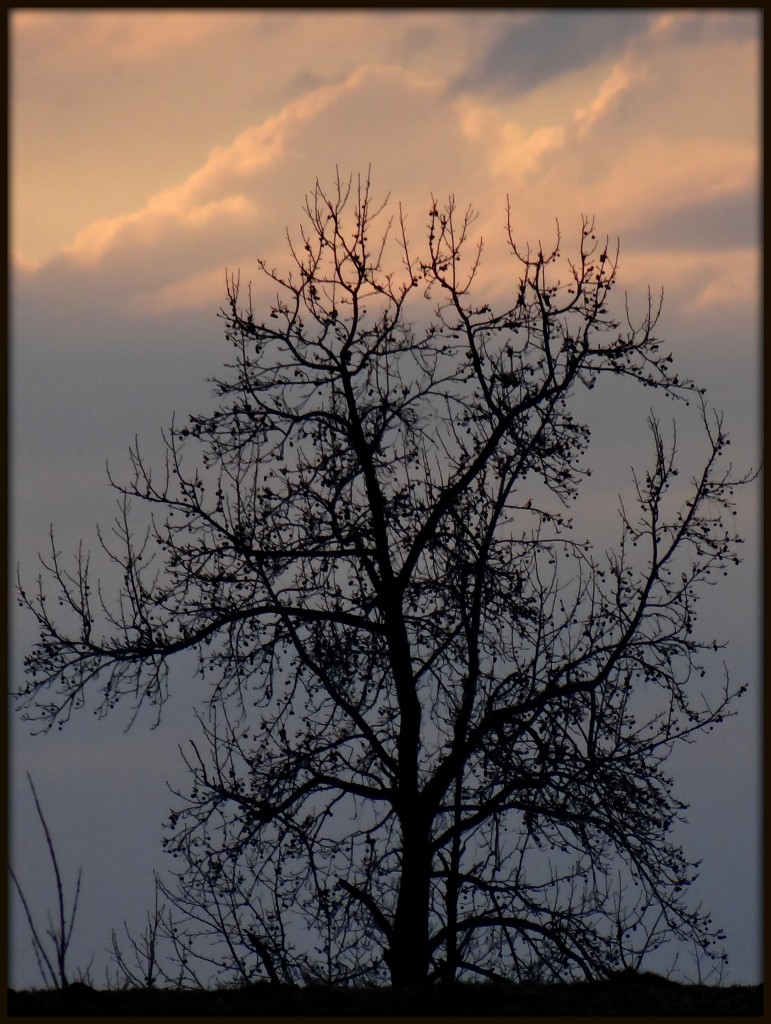
Mar 032014
 

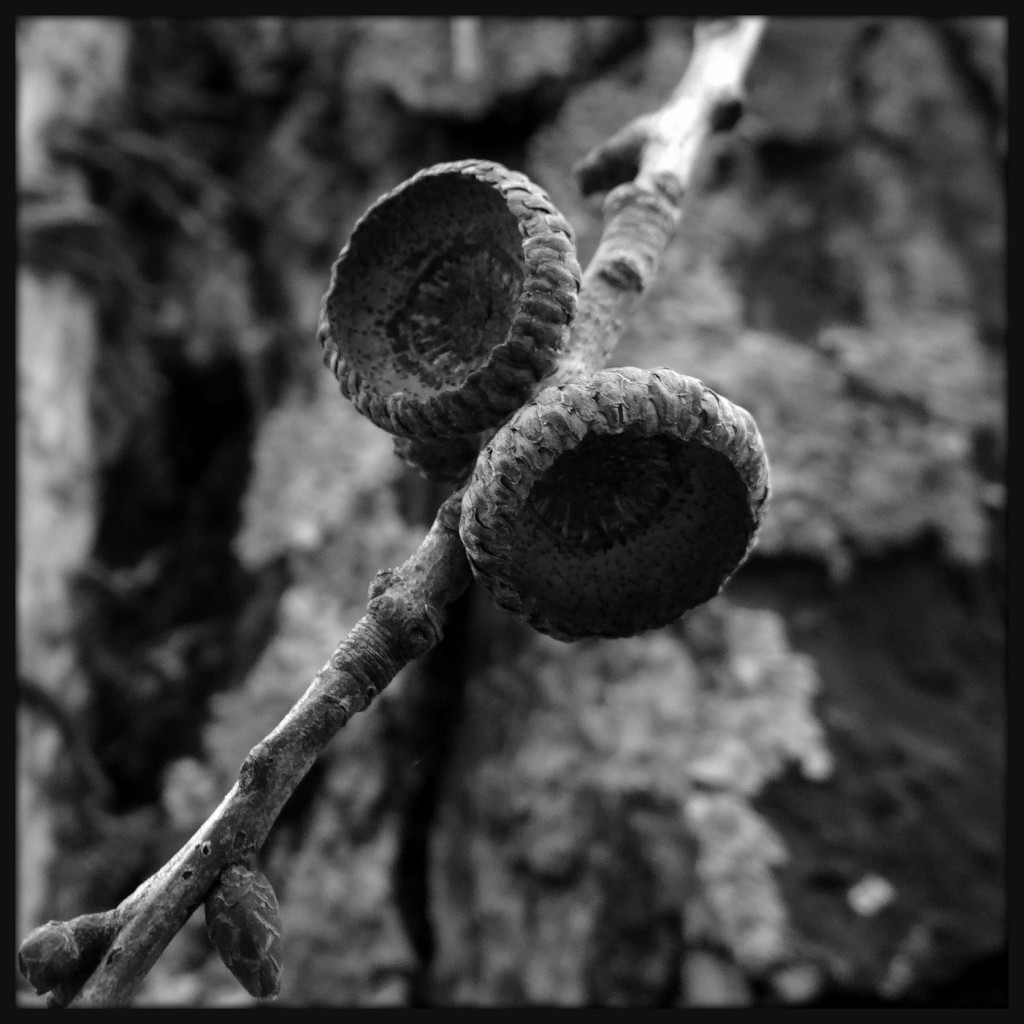
The weather took a turn for the cold and damp today.  Although the rain had ended hours before, the gray sky lingered into the middle afternoon.  I set out down Piney Woods Church Road with hopes of new reflection photos, but a cold wind stirred what water there was (the largest drainage ditch was completely dry).  It no longer felt like spring was near — there was a raw edge to the air that reminded me of winter, or possibly even late fall.  So I took refuge instead in mementos of last autumn — a pair of acorn caps left behind on a branch after the acorns had dropped away.

365Project

Mar 022014
 

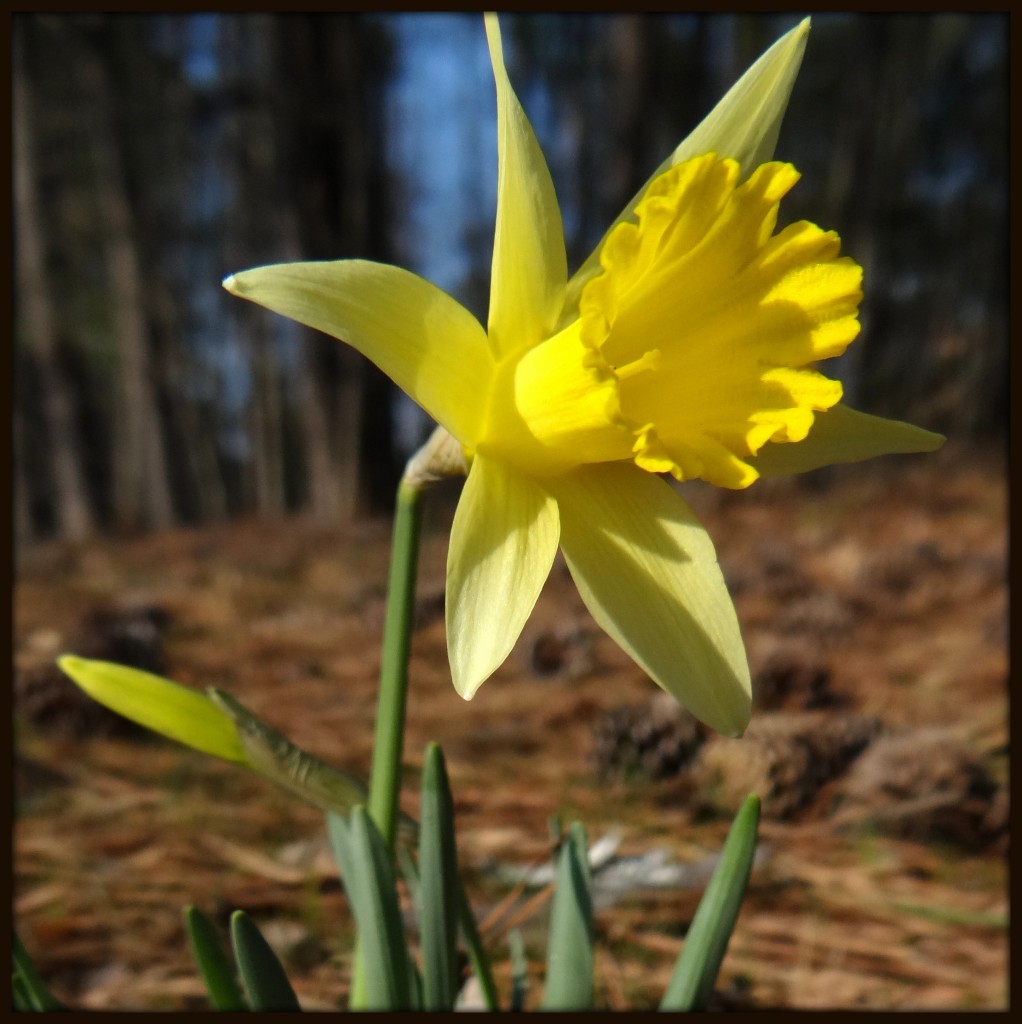
The daffodils are still in bloom along Piney Woods Church Road, and more seem to be popping up every day.  I find them intriguing, because even though they are so commonplace, they have an unusual feature, the corona, whose origin was not known to science until 2013.  Just last year, researchers from the University of Oxford published a scientific paper in the Journal of Plant Science, indicating that the corona has evolved as a modification of the stamens of the flower.

One More Daffodil

Mar 022014
 

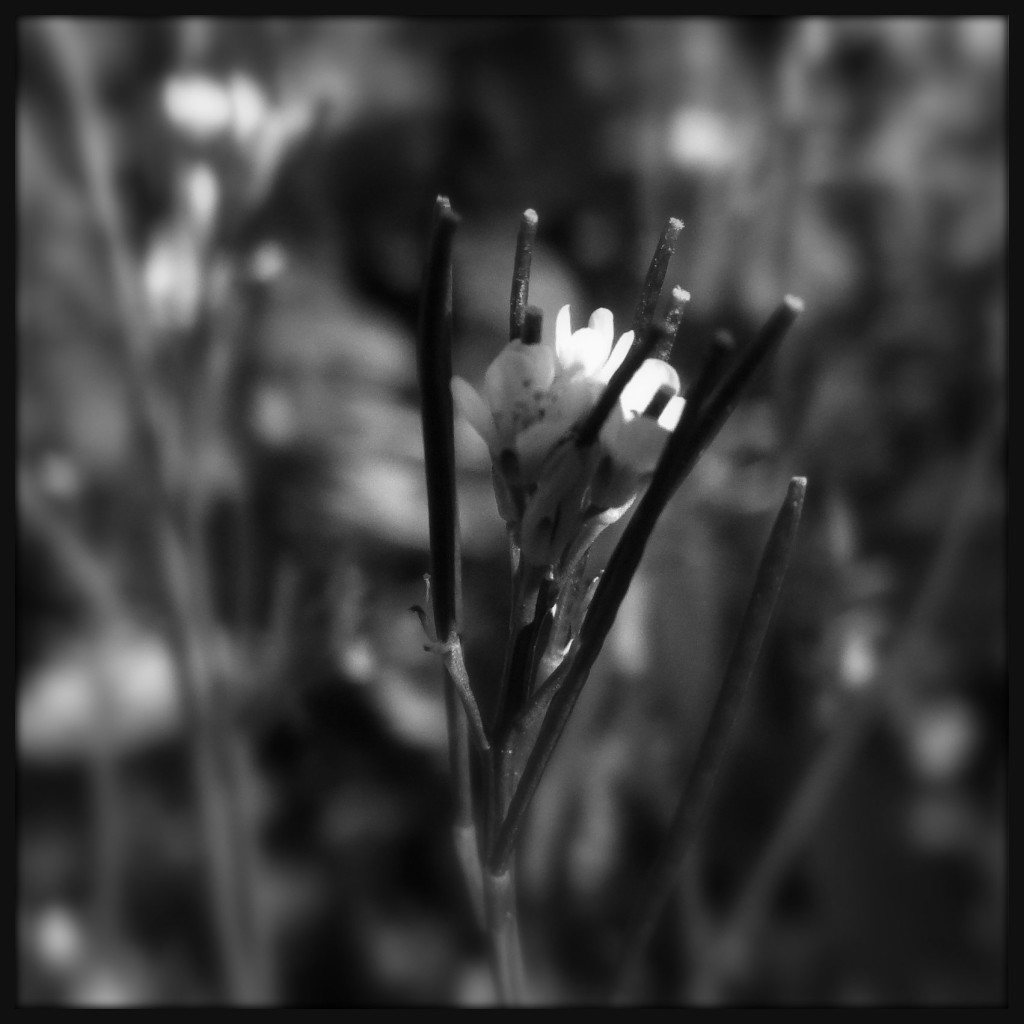
As spring slowly approaches, I am finding myself drawn to the ditch at the Hutcheson Ferry end of Piney Woods Church Road.  Every visit, I am rewarded by the sighting of another new wildflower to photograph.  There is a catch, though:  none of the flowers is showy (henbit being perhaps the most dramatic of the bunch, with its flashy, orchid-like blooms), and all of them are minute, with flower heads a few millimeters across.  These flowers belong to a group known as the ruderals:  wildflowers of waste places (such as roadside ditches).  They are nearly all non-natives.  Hoary bittercress, for example, hails from Europe, and is common throughout the eastern United States.  Of course, unless one is prone to kneeling on the lawn in late winter armed with a magnifying lens, the flower might an unfamiliar one.  In this photograph, the blooms are surrounded by long, narrow seed pods, called siliques, which will ripen and then pop open upon being touched, sending a new crop of seeds on their journey.  Later in the season, this annual will develop a basal rosette of pinnately lobed leaves; despite “bittercress” in the name, the leaves are edible raw or cooked.
Hoary Bittercress

Mar 012014
 

I turned the corner onto Piney Woods Church Road this afternoon to be greeted by the first orb web I have seen this season.  The minute spider was resting near the center of her construction.  There were some imperfections in the web’s symmetry; but then again, the young spider, like this photographer, is a novice at her craft.

First Web

Feb 282014
 

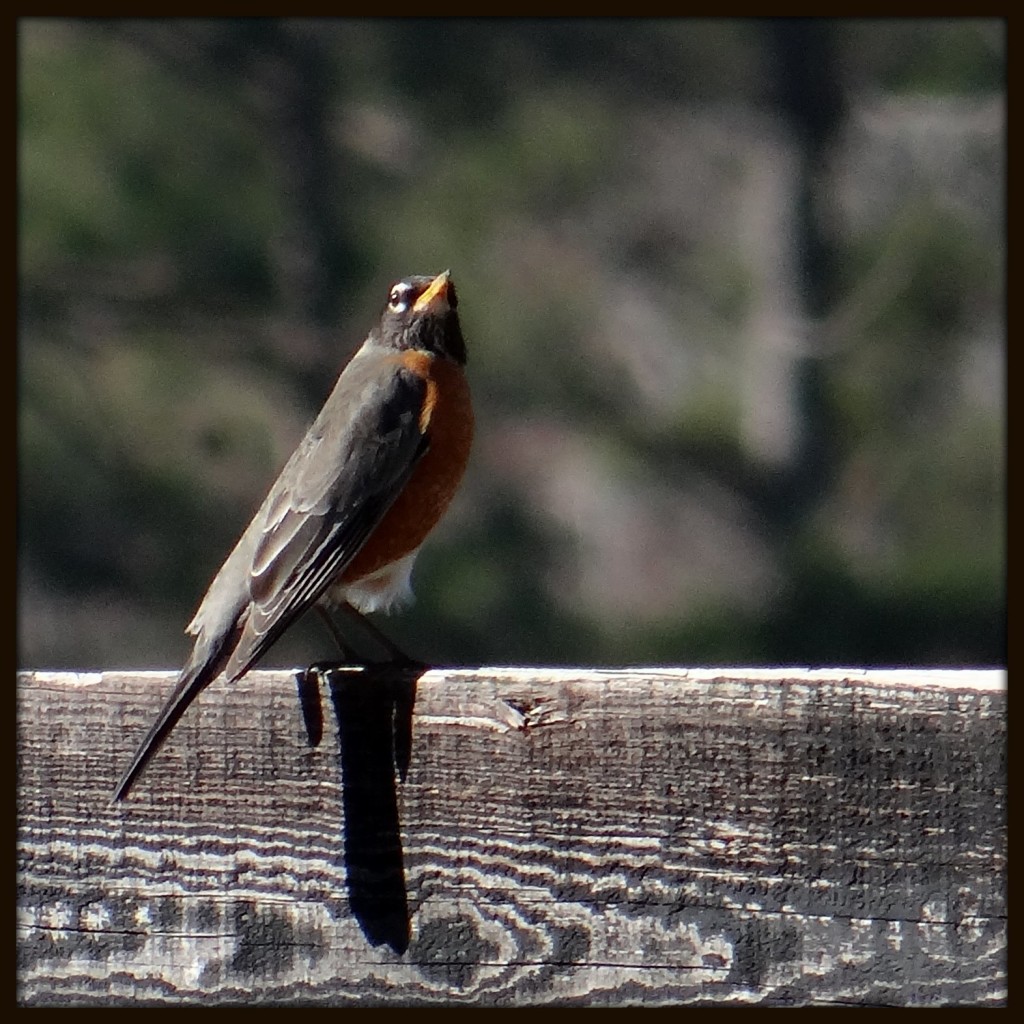
For weeks I have been trying to photograph robins along Piney Woods Church Road, since they seem to be abundant there this time of year.  I picture the American robin as the ultimate suburban bird, equivalent to the urban street pigeon.  So while they seem to be everywhere, it has also been difficult to photograph them in a way that does not leave them looking nondescript and, well, uninteresting.  Finally, this image of a robin on a wooden fence works for me.  Perhaps it is because this particular robin seems to be taking an interest in the photographer, in turn.

On the Fence

Feb 272014
 

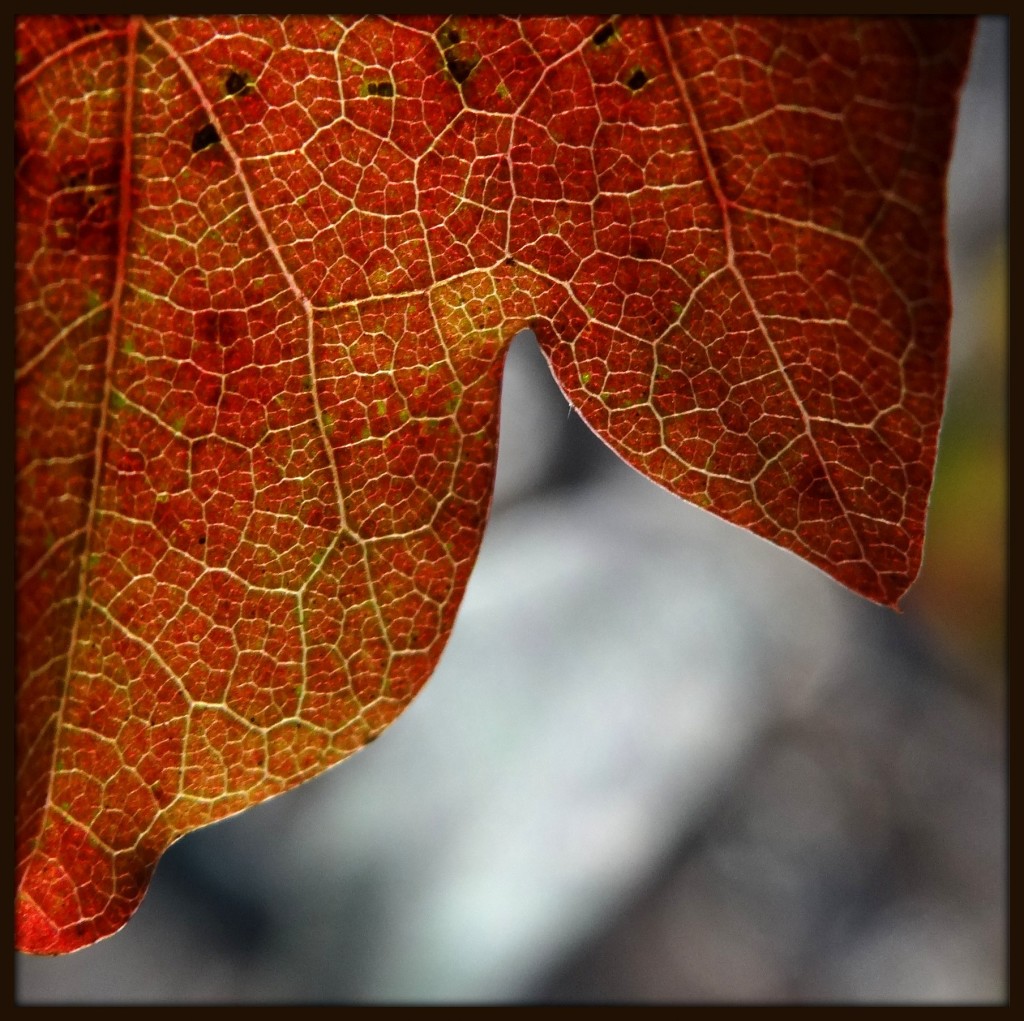
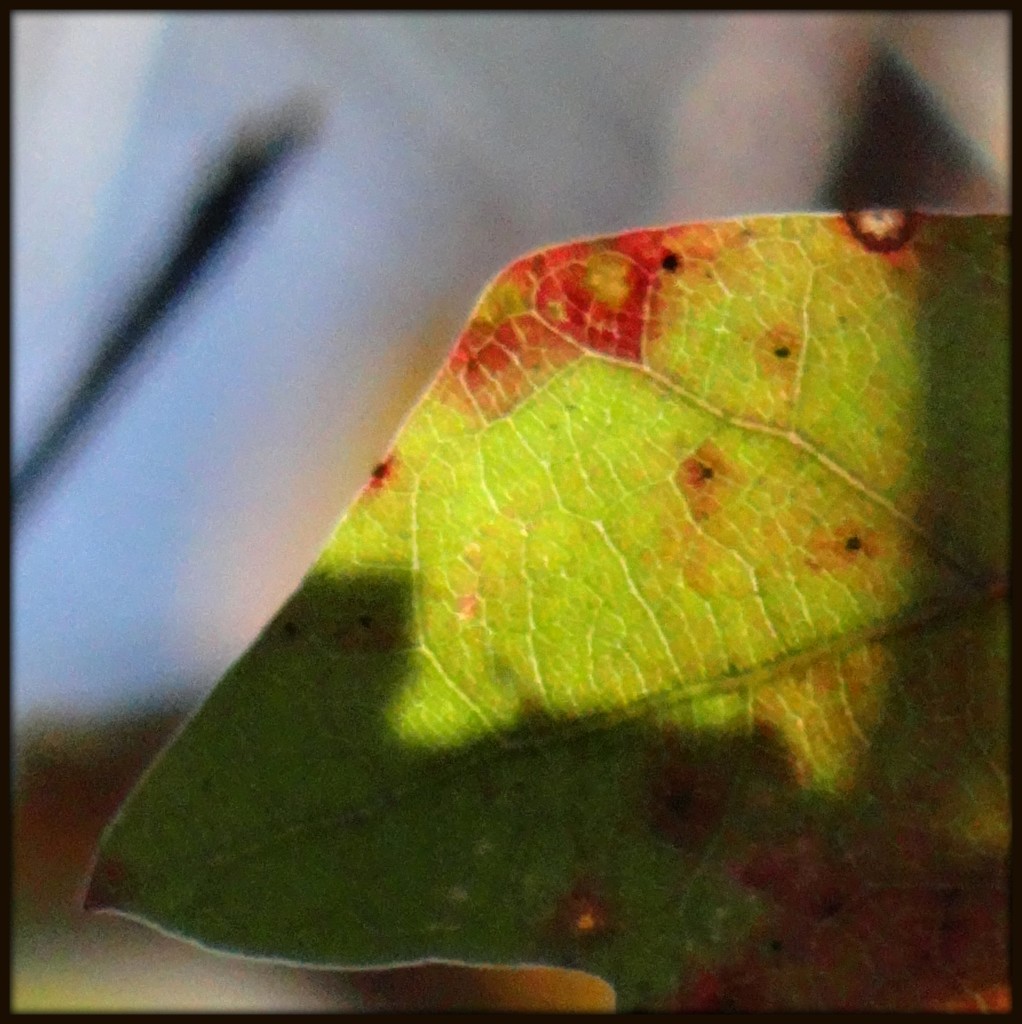
After a marvelous day-long composition workshop with Kathryn Kolb last weekend, I have been thinking a great deal about geometry and nature.  I have begun exploring the diverse colors and forms all around me on my Piney Woods Church Road walk.  Water oak leaves in winter, with their vibrant splotches of green, orange, red, and brown, make fascinating subjects for the camera lens.  Until today, I have always concentrated on entire leaves and clusters of leaves.  This time, I zoomed the lens a bit further;  The result is this image.

Equal Areas

Feb 262014
 

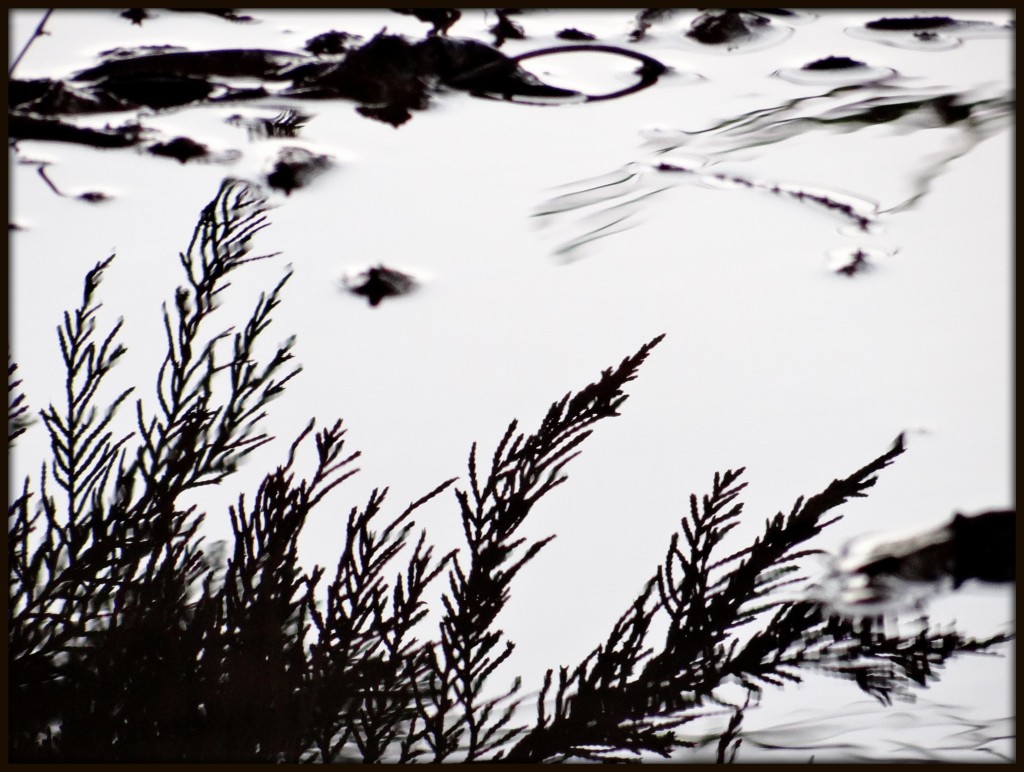
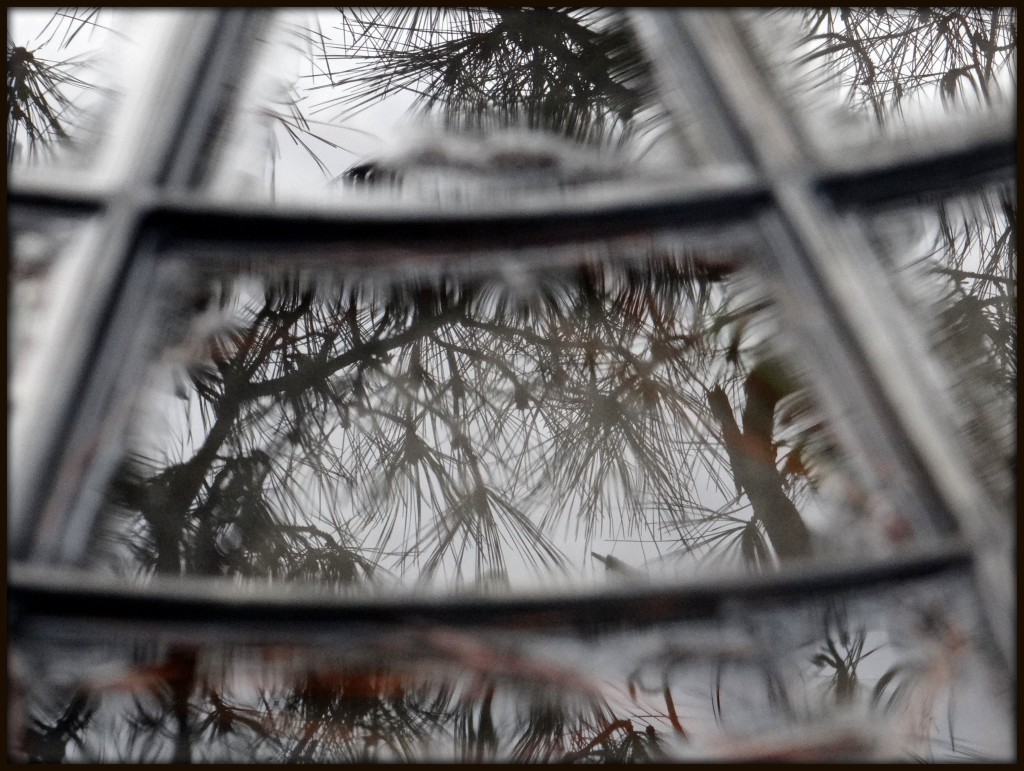
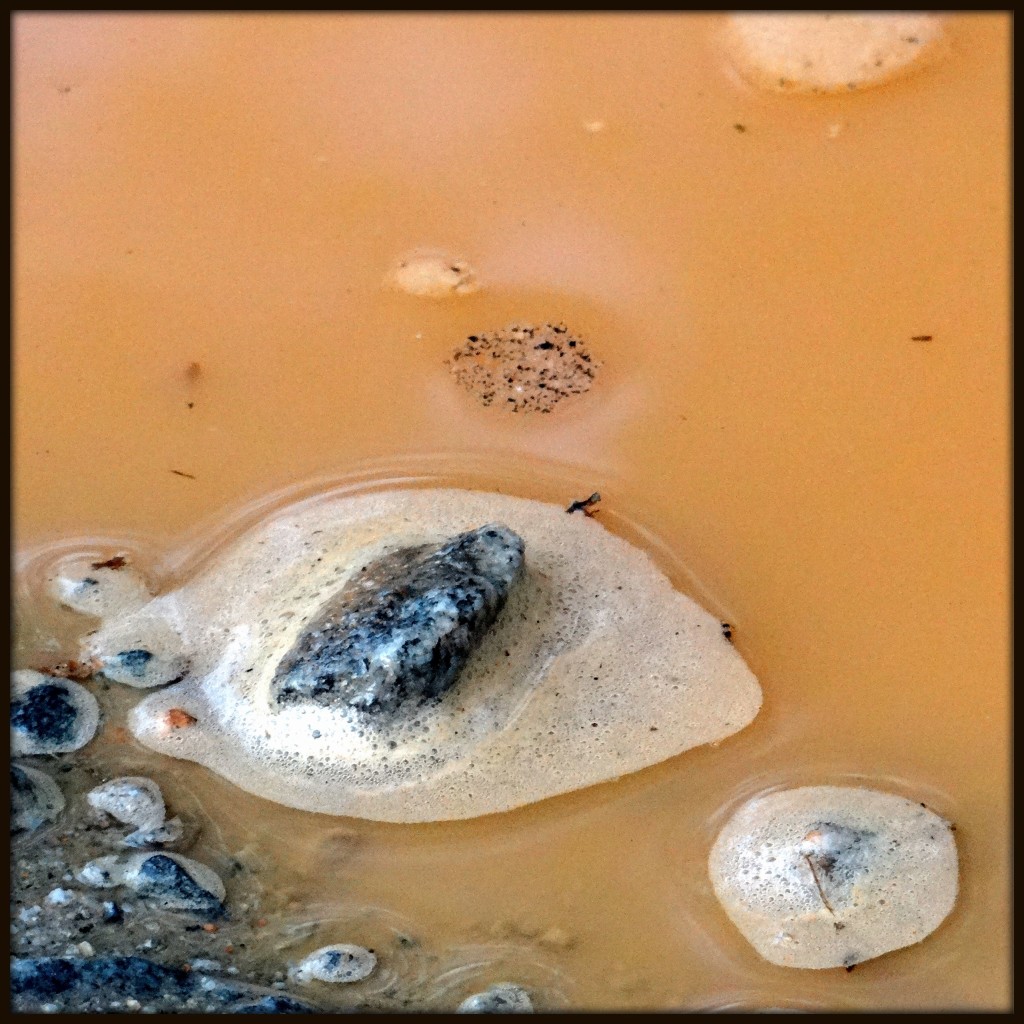
After the overnight rain, water had collected in the ruts, potholes, and drainage ditches along Piney Woods Church Road.  There was even a thin layer of water on the underside of a giant plastic stock tank just beyond a roadside fence.  The water offered opportunities for all sorts of otherworldly photographs, three of which are below.  The first one was taken in a ditch at the side of the road at the junction with Hutcheson Ferry.  The second is a view of the overturned stock tank.  And the third is a close-up of a pothole colored by Georgia clay.

Other Worlds 1

1-DSC06188

1-DSC06208

Feb 262014
 

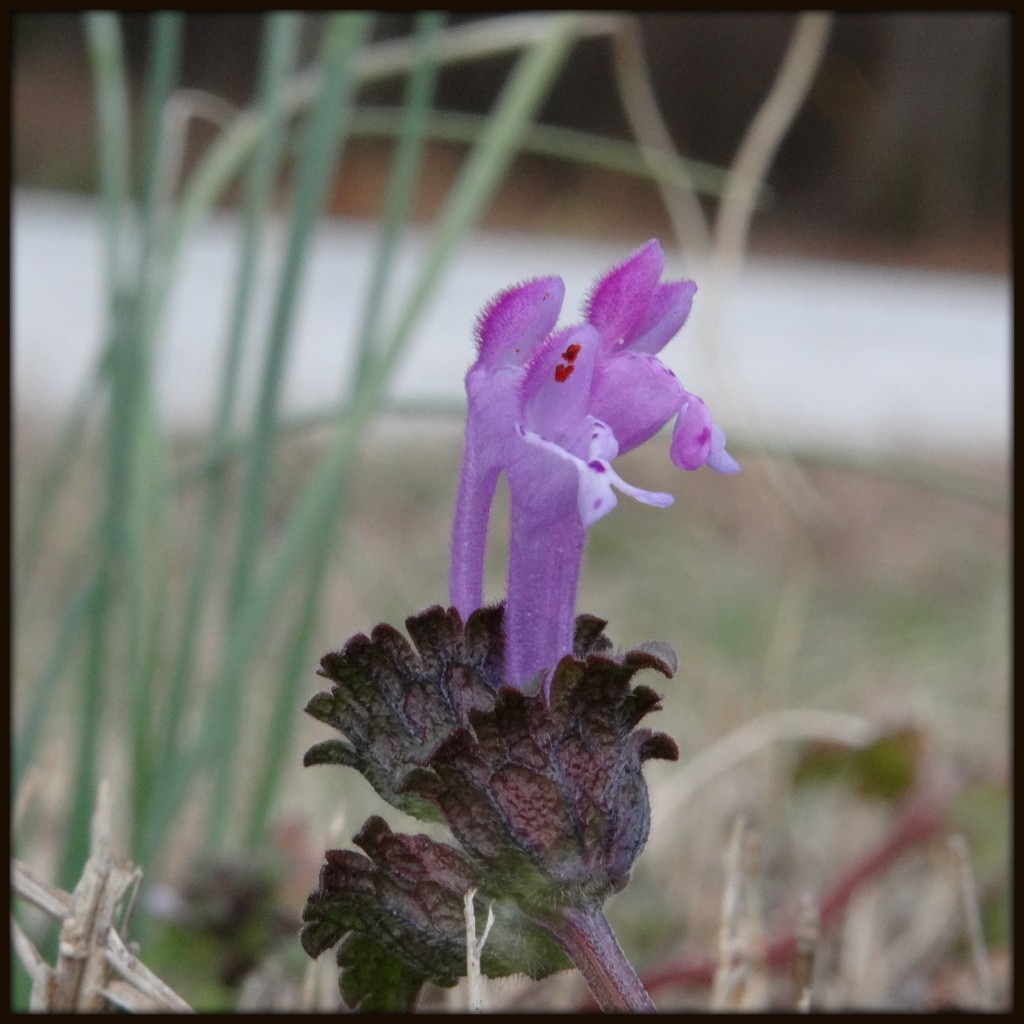
Late in the winter here in Chattahoochee Hills, henbit bursts into bloom, peppering the grassy verges with flecks of pinkish-purple.  A member of the mint family whose original habitat is in Europe, western Asia and northern Africa, henbit has become common to roadsides across the United States.  It seems ubiquitous on the untreated lawn, but its reign is short-lived.  It appears as a harbinger of spring here in Georgia, then slowly fades away after the first day of spring.

Henbit